Understanding Food Poisoning
Food poisoning, also referred to as foodborne illness, arises when contaminated food or beverages are consumed. This condition leads to a range of unpleasant and potentially severe symptoms, including nausea, vomiting, diarrhea, and stomach cramps. In some instances, individuals may also experience fever and muscle aches. Every year, millions of people in the United States suffer from foodborne illnesses, posing significant health concerns and potential complications if not properly managed.
Is Food Poisoning Contagious?
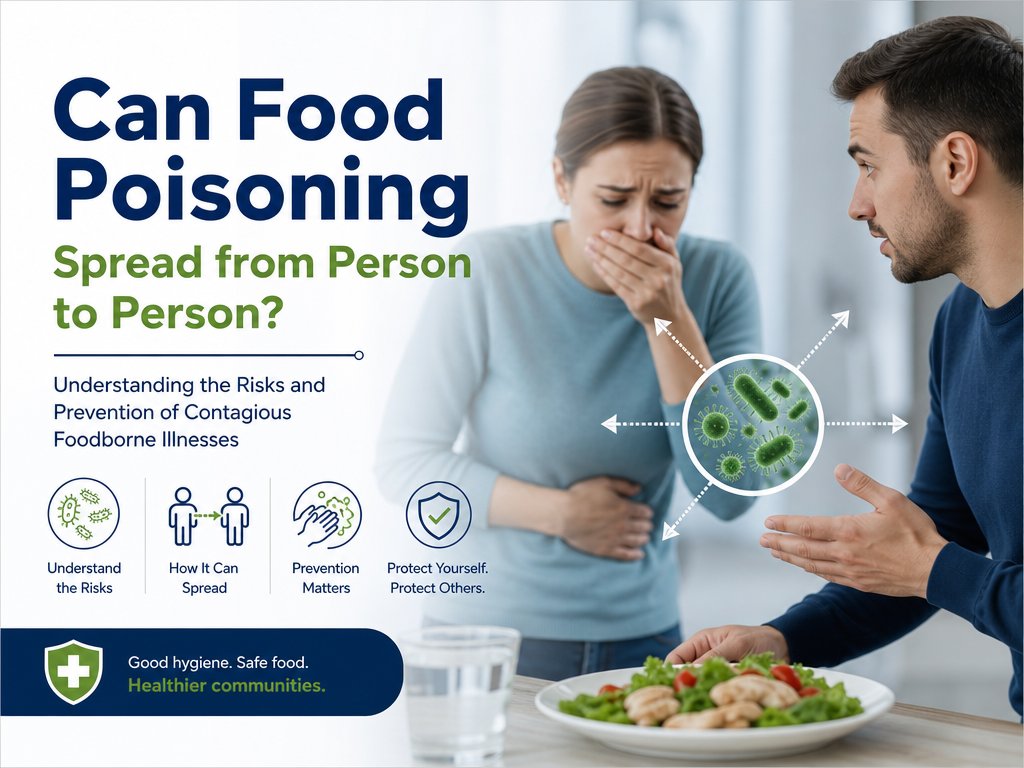
Food poisoning can occur due to a variety of causes, including bacteria, viruses, parasites, chemicals, and toxins. However, not all forms of food poisoning are contagious. Specifically, those caused by bacteria, viruses, or parasites can be transmitted from one person to another, whereas food poisoning resulting from chemicals or toxins is not contagious.
Contagious Bacteria and Viruses
Several bacteria and viruses are well-known for their capacity to spread from person to person. Bacteria such as Salmonella and Campylobacter, along with viruses like norovirus and Hepatitis A, can be easily transmitted through direct or indirect contact. These microorganisms have the ability to survive on hard surfaces and remain infectious for hours or even days. They can be transmitted via handshakes, the handling and preparation of food, or by touching commonly used surfaces, such as light switches, doorknobs, and shared utensils.
Dangers of Parasites
While less commonly discussed, parasites pose significant hazards similar to bacteria and viruses. They can range in size from microscopic to visible with the naked eye. Parasites often spread through the ingestion of contaminated food or water and can also be transmitted through physical contact or improper handling of food. If left unmanaged, parasitic infections can lead to severe and long-lasting health consequences, underscoring the need for caution and proper food hygiene.
Preventing the Spread
Implementing preventative measures to stop the spread of contagious food poisoning is crucial, given the heightened risks posed by symptoms like vomiting and diarrhea, which can lead to dehydration. Vulnerable groups such as children, the elderly, and individuals with weakened immune systems are particularly at risk. Most symptoms of food poisoning resolve with adequate rest, fluid intake, and a cautious approach to diet. Nevertheless, it is vital to seek medical attention in cases of severe dehydration or if symptoms persist beyond a few days, as timely intervention can prevent complications.
Preventive Tips
Promoting personal hygiene is a key element in reducing the risk of food poisoning. Regular hand washing, especially before and after handling food, is essential. This simple practice can significantly cut down the transmission of harmful bacteria and viruses. Additionally, proper storage of food, maintaining cleanliness in food preparation areas, and ensuring the cleanliness of commonly used surfaces are vital steps to prevent contamination. To aid recovery from food poisoning, staying adequately hydrated through drinking plenty of fluids and consuming bland foods like rice, bananas, or toast can help manage symptoms effectively. It’s also important to monitor for signs of dehydration, such as extreme thirst, infrequent urination, or dark-colored urine. In cases where these symptoms are present or if there is a lack of improvement, medical advice should be sought immediately to avert further health complications.
While the impact of food poisoning can be significant, understanding its causes and prevention can mitigate risks. Education and awareness are vital components in preventing illness. Engaging in safe food handling and preparation practices, as well as being alert to potential contamination sources, can make a considerable difference in reducing the incidence of foodborne diseases. Proper cooking of meat, avoiding cross-contamination during food preparation, and being mindful of food safety advisories can further safeguard oneself and others from the adversities of food poisoning. Ultimately, vigilance in food safety remains a shared responsibility, grounded in informed practices and proactive measures.
Foodborne illness outbreaks can have a far-reaching impact, affecting not only individuals but also communities and economies. Historically significant outbreaks serve as a reminder of the importance of diligence in food safety practices. Improvements in regulations and food handling guidelines have minimized risk, yet challenges persist. A multidisciplinary approach, including cooperation between public health organizations, governments, businesses, and consumers, can lead to better prevention strategies and quicker responses to outbreaks. Healthy practices in personal hygiene and public policies that focus on safe and sustainable food production, distribution, and consumption are vital. By adopting these practices, society can reduce the incidence of foodborne illness, ensuring healthier communities and a more secure food system for future generations.