Introduction to Infections: Bacterial vs. Viral
Infections caused by bacteria and viruses are widespread and can lead to a variety of health issues. These microorganisms can spread with ease and result in symptoms requiring different approaches for treatment, emphasizing the importance of accurate diagnosis. Understanding the distinction between bacterial and viral infections is essential for effective medical intervention and prevention strategies.
Bacterial Infections
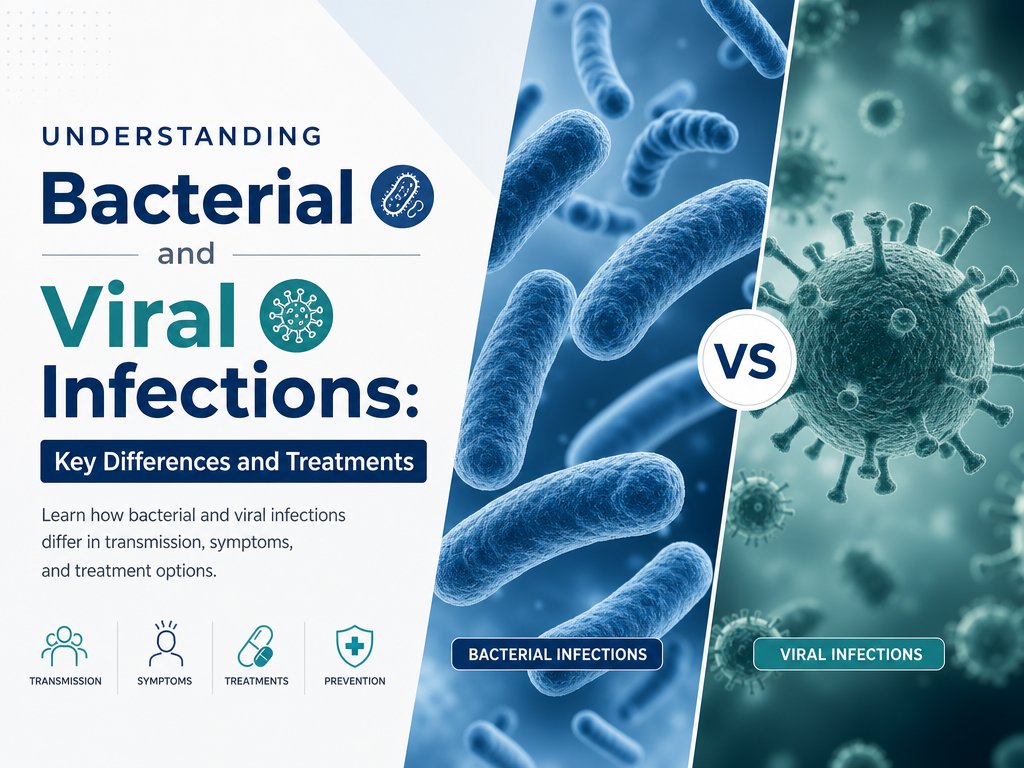
Bacteria are complex single-celled microorganisms that exhibit diverse shapes and structures. These organisms can thrive in numerous environments, including the human body. Nevertheless, only a small subset of bacteria are pathogenic and capable of causing diseases. Bacterial infections can range from mild, such as a sore throat, to severe, like pneumonia or meningitis. Treatment typically involves the use of antibiotics, which are substances capable of killing or inhibiting the growth of bacteria. However, the overuse or misuse of antibiotics can lead to the development of antibiotic-resistant strains of bacteria, complicating treatment and control efforts. It’s crucial for healthcare providers to prescribe antibiotics judiciously and for patients to complete the full course as directed to prevent resistance.
Viral Infections
In contrast, viruses are significantly smaller than bacteria and rely entirely on living host cells for reproduction. Unlike bacteria, viruses lack the necessary cellular machinery to reproduce on their own. They invade and hijack the living cells’ machinery to replicate, often causing cell damage or death in the process. Viral infections can range from the common cold and flu to more severe diseases like HIV/AIDS, COVID-19, and hepatitis. For many viral infections, specific antiviral medications are limited, and treatment primarily focuses on symptom relief and supportive care. Researchers are continually developing vaccines and antiviral drugs to better combat viral infections. While vaccines have shown remarkable success in preventing diseases like measles and influenza, development is ongoing for new infectious threats.
Transmission and Examples
Both bacterial and viral infections spread in a similar manner, primarily through direct person-to-person contact. Additionally, consuming contaminated food and water, being bitten by insects, or having any form of direct contact with infected individuals are common transmission pathways. Examples of bacterial infections include tuberculosis, strep throat, and urinary tract infections, while examples of viral infections encompass influenza, measles, and chickenpox. Understanding how infections spread helps in creating effective prevention strategies and in curbing outbreaks before they escalate.
Diagnosis and Treatment
Healthcare providers diagnose infections by combining information from a patient’s medical history with the symptoms presented. Laboratory tests, like cultures or molecular techniques, might be employed to identify the specific causative agent, especially if the diagnosis is unclear. The identification is pivotal in guiding treatment choices. Accurate diagnosis is essential because it ensures that the right treatment is given and helps avoid complications such as inappropriate use of antibiotics for viral infections.
For bacterial infections, antibiotics serve as effective treatments when appropriately prescribed. They work by killing bacteria or preventing their growth. However, bacterial resistance remains a significant challenge, underlining the need for prudent use of antibiotics. Viral infections, on the other hand, typically do not have definitive targeted treatments available and depend heavily on the body’s immune response. Treatment often focuses on managing and alleviating symptoms, such as using medications to relieve fever or pain. In some cases, specific antiviral medications can help reduce virus spread or disease severity. Vaccines have been instrumental in controlling diseases like polio and are keys to long-term public health improvement.
Preventing Infections
Prevention of both bacterial and viral infections is critical to maintaining health and involves multiple strategies. Good hygiene practices, such as regular handwashing with soap and water, are fundamental. Proper food handling, including cooking and storing food at safe temperatures, can significantly reduce the risk of contamination. Individuals should also stay home when they are unwell to prevent the spread of infectious agents. Additionally, using barrier methods, like condoms, during intercourse can help prevent the spread of sexually transmitted infections. Educational campaigns play a crucial role in raising awareness about preventive measures.
Vaccinations play an especially crucial role in the prevention of both types of infections. Vaccines are designed to prepare the immune system to fight infections more effectively, thereby reducing the incidence and severity of diseases. It is essential to discuss and keep up-to-date with available vaccines in consultation with healthcare providers to ensure optimal protection against infectious diseases. Public health campaigns and healthcare professionals continually emphasize the role of vaccinations in controlling infectious disease outbreaks. The development and administration of vaccines have proven pivotal in reducing the spread of epidemic diseases, saving millions of lives annually. Furthermore, vaccines not only protect the individual who receives them but also contribute to the broader concept of herd immunity, where immunization of a significant portion of the population provides indirect protection to unvaccinated individuals by reducing the overall occurrence of infectious agents.
Conclusion
A comprehensive understanding of the differences between bacterial and viral infections facilitates more effective prevention and treatment strategies. While antibiotics specifically target bacterial infections, antiviral medications and symptom management provide relief for viral infections. This knowledge assists in making informed decisions and adopting responsible practices for infection control. Ongoing research and education efforts remain vital in the fight against infectious diseases, underscoring the need for continued vigilance, innovation, and public health collaboration. With ongoing global health challenges, the role of scientists, healthcare providers, and informed citizens becomes increasingly important in managing public health outcomes. The combined efforts of these groups are essential in anticipating and mitigating the risks of emerging infectious diseases, adapting to evolving pathogens, and ultimately ensuring the well-being of communities worldwide.