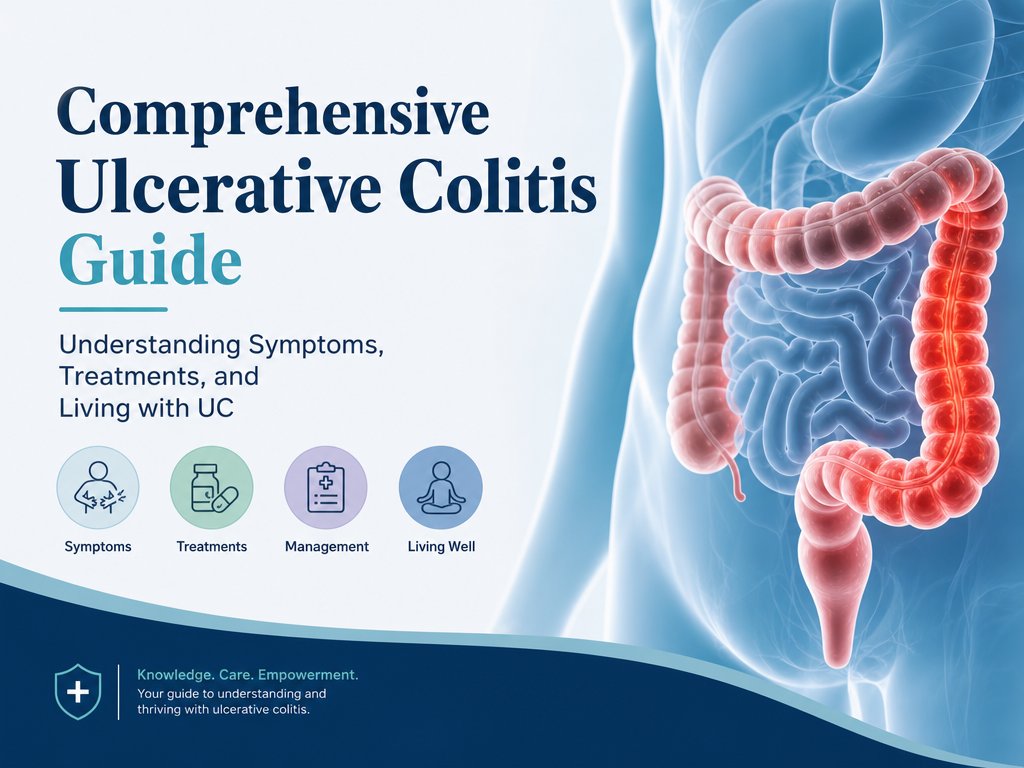
Introduction to Ulcerative Colitis (UC)
Living with chronic conditions such as ulcerative colitis (UC) can create a sense of isolation and ongoing challenges. However, communities like Bezzy offer meaningful connections to those who may feel alone in their journey. Understanding UC is essential for effectively managing this chronic disease. Educational resources and community engagement can immensely aid those living with UC, making it easier to navigate the complexities that come with managing a chronic illness.
What is Ulcerative Colitis?
UC, a prevalent form of inflammatory bowel disease (IBD), is characterized by inflammation and ulcers in the colon and rectum. Its severity ranges broadly, from mild discomfort to potentially life-threatening conditions, with an increased risk of colon cancer if unmanaged. It is important to note that UC is a lifelong condition for which there is currently no cure, and management is centered around alleviating symptoms and maintaining remission. Being aware of the potential complications can significantly impact long-term health and quality of life.
Symptoms and Variants of UC
UC symptoms, as well as their intensity, depend significantly on the specific area of the colon that is affected. Flare-ups are common during active phases and require treatment for remission. Understanding the variants of UC can help tailor more appropriate treatment plans:
– Ulcerative proctitis: Inflammation is confined near the rectum, and patients may experience rectal bleeding or discomfort. This variant often has the mildest symptoms of all UC types.
– Proctosigmoiditis: Both the rectum and sigmoid colon are involved, causing abdominal pain, bloody diarrhea, and urgency. It may require medical intervention to manage effectively.
– Left-sided colitis: Involves the rectum, sigmoid, and descending colon, affecting the upper left abdomen, leading to cramps and weight loss. It generally requires more comprehensive treatment strategies.
– Pancolitis: Inflammation is present throughout the entire colon, potentially causing severe diarrhea, pain, fatigue, and significant weight loss. This variant often necessitates aggressive management.
– Fulminant colitis: A severe and rare form that necessitates urgent medical care, often associated with emergency symptoms such as severe dehydration and shock. Hospitalization may be required in such cases.
Diagnosis and Treatment of UC
Diagnosing UC typically involves a combination of medical history evaluation, clinical examination, and imaging studies such as colonoscopy or flexible sigmoidoscopy to visualize the colon. Biopsies may be taken during these procedures to confirm inflammation and assess the presence of other conditions. Blood tests and stool samples might also be used to rule out infections and assess inflammation levels. The care plan often begins with medication, with surgical options considered for more advanced cases. Available medications vary in their action, each offering potential benefits and side effects that must be carefully weighed. Common medication classes include:
– Aminosalicylates: These are utilized to reduce inflammation and are often used for mild cases, sometimes serving as a long-term solution for maintenance of remission.
– Corticosteroids: These are used to bring severe inflammation under control but are not intended for long-term use due to their significant side effects. They are often used during acute flare-ups.
– Immunomodulators: These drugs help reduce the immune response that drives inflammation, thereby taking several months to begin working but are useful for maintaining remission.
– Biologics: These medications target specific proteins in the immune system to reduce inflammation and are often considered when other treatments fail. They can be very effective in maintaining symptom relief.
Lifestyle and Management
Adopting lifestyle adjustments, incorporating changes in diet, and increasing or moderating physical activity are crucial complements to traditional treatment. Regular consultations with a gastroenterologist and possibly other specialists are important to optimize management strategies. Dietary considerations may include identifying and avoiding trigger foods that worsen symptoms such as dairy, caffeine, or spicy foods, while including a diet rich in omega-3 fatty acids and probiotics can be beneficial for some individuals. Support for making these dietary changes from a registered dietitian can be invaluable.
Support and Coping with UC
The impact of UC on daily life is significant and can affect various aspects of personal and professional life. Maintaining open communication with healthcare providers is crucial for adjusting treatments as required. Connecting with support groups and patient communities can offer emotional relief and practical advice, reducing the sense of isolation often associated with chronic illnesses. Mindfulness practices, stress management techniques, and psychotherapy can also be helpful in managing the mental health aspects of living with UC. Family and friends can play key roles in providing support, understanding, and encouragement while respecting the personal boundaries and needs of the individual affected by UC.
Conclusion
Ulcerative colitis necessitates a proactive approach involving treatment, lifestyle modifications, and strong support networks. While it is currently incurable surgically, effective management strategies can significantly reduce symptoms and maintain remission, enabling individuals to lead fulfilling, productive lives despite the challenges of a chronic health condition. It is essential for those affected to stay informed, engage with healthcare providers regularly, and seek support from communities that understand their unique challenges. This holistic approach promotes not just physical well-being but also emotional resilience, paving the way for a better quality of life. Acceptance and adaptation to living with UC are ongoing processes that require patience and commitment, but with the right support and resources, individuals can navigate these challenges successfully, finding ways to thrive in both their personal and professional lives.