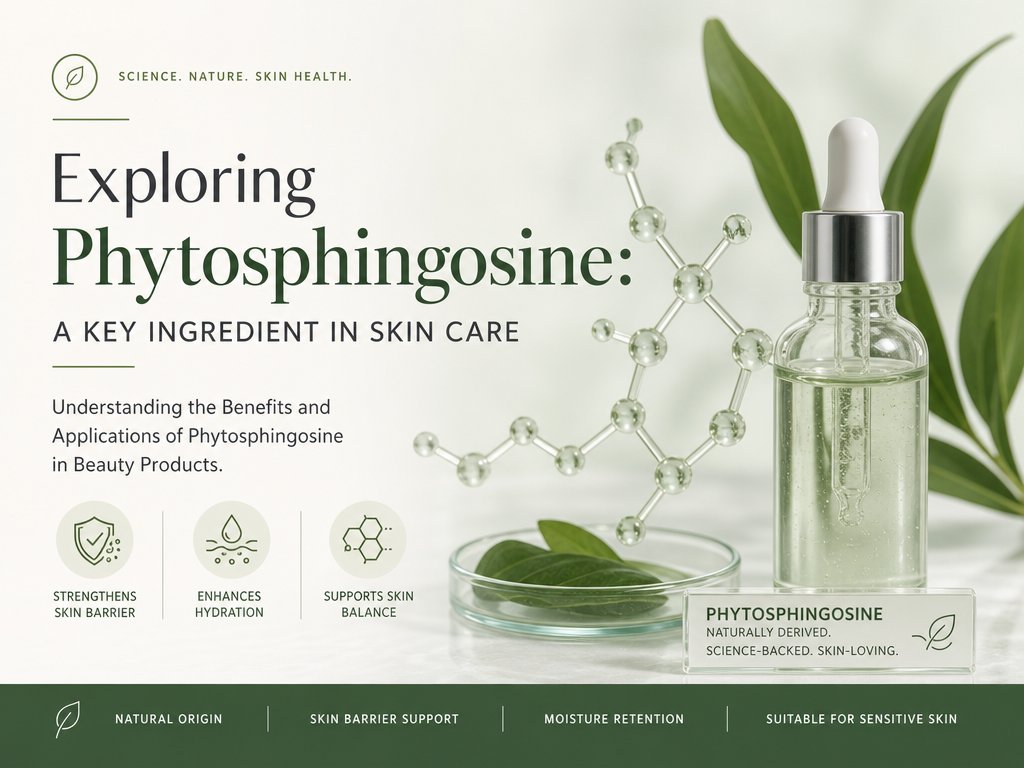
Introduction to Phytosphingosine
Phytosphingosine is becoming increasingly recognized in the beauty industry, especially for its role in enhancing skin care products. This unique lipid, a type of fat, naturally occurs in the outer layer of human skin, as well as in various plants and animals, playing a significant role in skin health. Its structural integrity contributes to the optimal function and adaptability of the skin’s outer layer, ensuring resilience against environmental stressors.
The Role of Phytosphingosine in Skin Care
When it’s integrated into skin care products, phytosphingosine significantly contributes to the enhancement of the skin’s barrier function. This barrier is crucial as it shields the body against various external allergens and irritants while also ensuring that moisture is retained effectively. Phytosphingosine acts as a precursor to ceramides, which are fundamental fats that fill the gaps between skin cells, keeping the skin supple and healthy. The presence of phytosphingosine stimulates the formation of ceramides, which are essential in maintaining skin hydration levels and shielding sensitive layers from potential damage.
Benefits for Acne and Inflammatory Conditions
In addition to its outstanding moisturizing properties, phytosphingosine is revered for its antimicrobial and anti-inflammatory effects. It is particularly beneficial in treating acne and has demonstrated promise in managing inflammatory skin conditions such as eczema. Furthermore, research has suggested that its derivatives may aid in alleviating other forms of skin inflammations, further highlighting its versatility in skin care. The ability of phytosphingosine to reduce redness and swelling associated with acne makes it a wonderful ingredient for those looking for a multi-functional approach to manage skin discomforts.
Incorporating Phytosphingosine into Your Routine
Phytosphingosine is typically included alongside other complementary ingredients like ceramides and hyaluronic acid, found in a range of skin care products such as serums, creams, and toners. Dermatologists frequently recommend products like CeraVe Moisturizing Cream, which effectively combines these elements to help recover the skin’s natural barrier while hydrating and nurturing the skin comprehensively. Such combinations ensure that each product not only delivers phytosphingosine’s benefits but also enhances the skin’s overall texture and vitality by integrating top active ingredients.
Safety and Considerations
Phytosphingosine is generally considered suitable for all skin types and can be incorporated into daily skin care routines. However, if any irritation arises, such as redness or a burning sensation, it’s advisable to immediately discontinue use and gently wash off the product. Its gentle properties make it an excellent addition to regular skin care regimens without the risk of causing irritation or adverse effects. Moreover, its non-comedogenic nature ensures that it will not clog pores, thereby reducing the risk of breakouts, which makes it a suitable choice even for those with acne-prone skin.
The Takeaway
With its barrier-enhancing and soothing properties, phytosphingosine emerges as a highly valuable component in contemporary skin care. It not only aids in maintaining healthy skin but also provides support in treating conditions like acne and eczema. As with any new product integration, it remains important to test for any possible irritation to ensure the best results. Its balanced composition allows for versatile application, helping to address both everyday skin care needs and specific challenges presented by particular skin conditions.
About the Author
Colleen de Bellefonds, a dedicated health and wellness journalist residing in Paris, shares thorough insights drawn from over ten years of professional experience with prestigious platforms, offering exhaustive guidance on a wide array of skin care-related topics. Her expertise in the area of skin health has allowed countless readers to find effective solutions for their skin care concerns and to gain a deeper understanding of ingredients like phytosphingosine.
Conclusion
The integration of phytosphingosine into beauty practices marks a notable advancement in skin care technology, providing essential support for maintaining skin health and managing dermatological conditions efficiently. Its role in modern beauty regimens underscores its importance as a key component in fostering both overall skin health and targeted disease management strategies. As consumers seek increasingly effective skin care solutions, ingredients like phytosphingosine stand out as critical elements in pioneering new avenues for skin wellness, ensuring that the skin remains vibrant and robust in the face of changing environmental and lifestyle factors.