Introduction
Swollen, sunburned feet can be quite uncomfortable, requiring measures to reduce the swelling and provide relief. This article offers insights into effective home remedies and guidance on when medical intervention becomes necessary for such conditions. It’s important to address this issue promptly to prevent further discomfort and promote healing. Swollen feet can be caused by various factors, including prolonged standing or walking, fluid retention, and certain health conditions, but when coupled with a sunburn, it can significantly increase discomfort.
Common Treatments for Swollen and Sunburned Feet
Exposure to the sun can lead to painful sunburns on the feet, often exacerbated by forgetting to apply sunscreen. The moisture from beach or pool activities can worsen the situation, especially when combined with sand or saltwater, which may exacerbate skin irritation. Ensuring proper care is taken can prevent the escalation of these symptoms. Taking preventive measures can spare you from dealing with ongoing pain and potentially more severe skin conditions.
Home Remedies
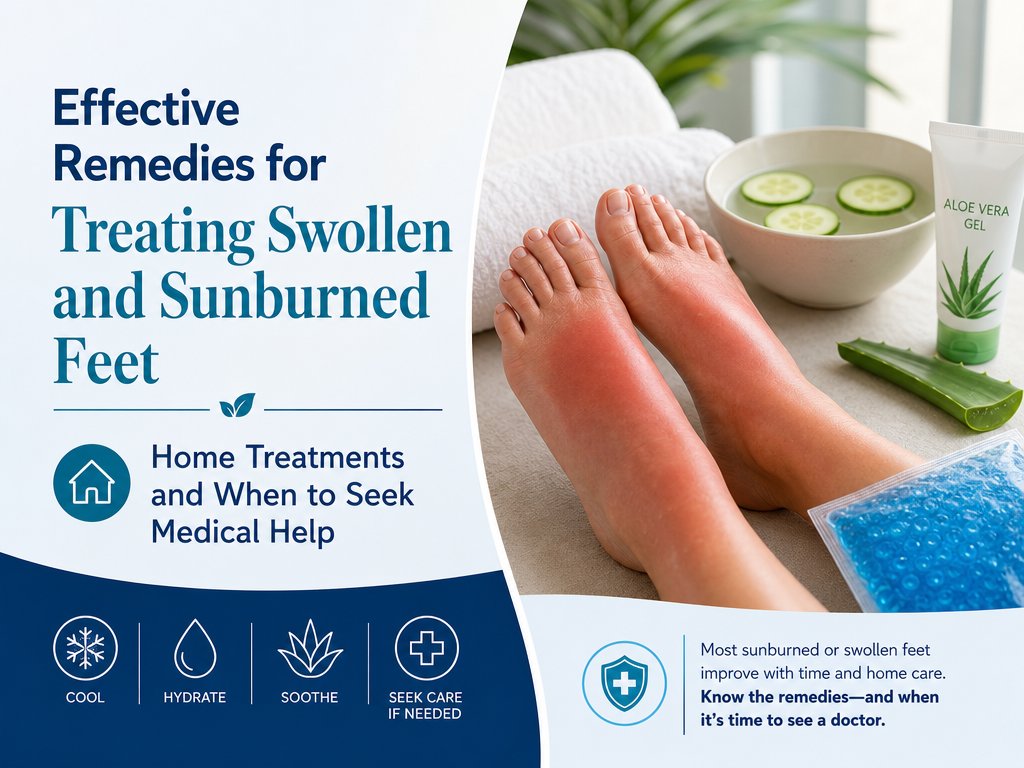
To manage the discomfort at home, one can consider cold water soaks and soothing topical treatments, such as aloe vera or chamomile lotion, renowned for their cooling properties. These natural remedies help reduce inflammation and promote a soothing effect on the irritated skin. It’s advisable to avoid using products containing local anesthetics like those ending in “-caine,” as they can irritate the sensitive sunburned skin further. Not only can they cause irritation, but they might also delay the healing process, potentially leading to additional issues. Elevating the feet may also help reduce swelling, allowing gravity to assist in lowering fluid retention.
When to Seek Medical Attention
Swollen, sunburned feet might indicate a more severe condition similar to second- or third-degree burns, necessitating a medical consultation. Signs indicating the need for medical advice include severe blistering, persistent swelling, or widespread redness that doesn’t improve with initial home treatments. If one experiences fever, chills, or symptoms of infection, seeking professional healthcare guidance is crucial to prevent complications and ensure proper healing. Sometimes, underlying medical conditions, such as eczema or an allergic reaction, might mimic or worsen sunburn symptoms, making a healthcare provider’s evaluation important.
Preventive Measures Against Sunburn
To minimize the risk of sunburn, apply sunscreen liberally to your feet, particularly during peak sun hours. This preventive step is vital not only to avoid immediate discomfort but also to protect against long-term risks. Sunburn not only causes immediate discomfort but also increases future risks of developing skin cancers, such as melanoma, a serious form of skin cancer, and squamous cell carcinoma (SCC). Regular skin examinations and early dermatologist consultations are part of long-term skin care.
Moreover, excessive sun exposure might cause polymorphic light eruption (PMLE), a systemic condition characterized by symptoms like nausea and fever. These differ from localized sunburn symptoms and require medical treatment involving steroids or immune-suppressing medications. To safeguard against PMLE, it is advisable to limit exposure during midday hours and wear protective clothing in addition to sunscreen. Choosing broad-spectrum sunscreens with high SPF values and reapplying them every two hours enhances these protective efforts.
Conclusion
Prompt action in treating sunburned and swollen feet is critical, focusing on soothing the skin and retaining moisture to promote healing and relief. Persistent or severe symptoms warrant professional healthcare attention to prevent possible complications. Implementing prevention measures, including the regular application of sunscreen and seeking shade during intense sunlight, can significantly reduce the risk of suffering from painful sunburns and subsequent complications. In addition, periodically inspecting your skin for new or unusual changes can help in early detection of potential skin issues, providing an opportunity for timely intervention and care. It’s not just about avoiding discomfort but ensuring long-term skin health and peace of mind.