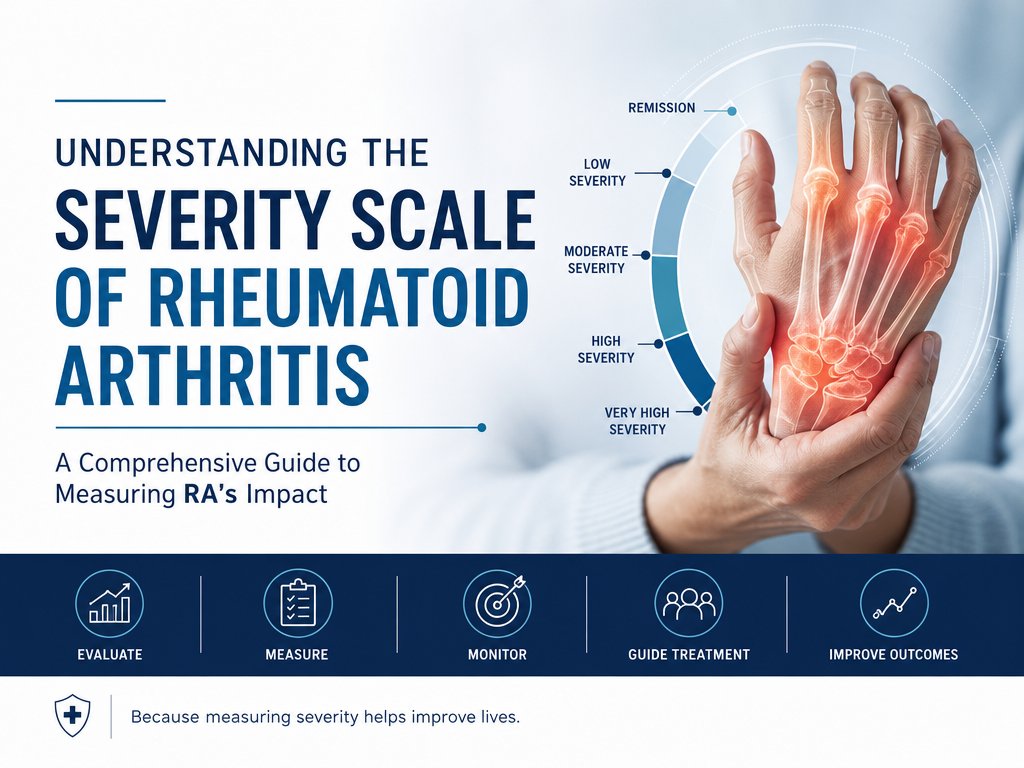
Introduction to Rheumatoid Arthritis Severity
Rheumatoid arthritis (RA) is a chronic and progressive condition that primarily affects the joints, leading to pain, swelling, and potential loss of function. Understanding the severity of RA is essential for both patients and healthcare providers to ensure effective management, evaluate treatment efficacy, and consider future therapeutic options.
The Rheumatoid Arthritis Severity Scale (RASS)
Introduced in the early 2000s, the Rheumatoid Arthritis Severity Scale (RASS) was designed to help healthcare providers assess disease activity, functional impairment, and physical damage in RA patients. This scale plays a significant role in providing a comprehensive evaluation of the condition.
Components of RASS
The RASS evaluates three primary aspects of RA, each scored on a scale from 1 to 100. A score of 1 signifies no signs of RA, while a score of 100 indicates maximum severity. This detailed scoring helps in tailoring patient-specific management plans.
Doctors assess disease activity by examining joint swelling and tenderness through physical exams. Functional impairment is evaluated via range-of-motion tests that measure a patient’s ability to perform daily activities. Any physical damage is assessed by analyzing joint and bone deterioration, often using various imaging techniques.
The Disease Activity Score (DAS)
The Disease Activity Score (DAS) is a vital component of RA assessment that helps determine whether the disease is in remission or if there is a low, moderate, or severe level of disease activity. This classification is crucial for guiding treatment decisions and modifying therapeutic strategies.
The SOFI Scale
The SOFI (Signal of Functional Impairment) scale is another component that ensures understanding of a patient’s movement abilities. It specifically assesses how well and how far patients can move their hands, arms, and legs, providing insights into their functional capabilities and limitations.
Physical Damage and Imaging
Evaluating physical damage in RA involves using imaging technologies such as X-rays, MRIs, or CT scans. These tools are instrumental in inspecting joint and cartilage destruction, which can inform decisions about appropriate interventions and monitor disease progression over time.
Alternative RA Severity Scales
Although the RASS was initially popular, several other assessment methods have been developed and gained favor over time. Since the American College of Rheumatology in 2019 recommended a range of scales for RA severity evaluation, healthcare providers often use multiple metrics to capture a more holistic view of the condition.
Blood Tests and Rheumatoid Factor
Blood tests are crucial in the diagnosis and monitoring of RA. One key marker is the rheumatoid factor, where levels over 100 units per milliliter may indicate RA or other conditions, such as infections or even certain types of cancer. These tests help differentiate RA from other possible conditions and guide treatment decisions.
Stages of Rheumatoid Arthritis
RA progresses through four distinct stages, each with unique symptoms and corresponding treatment objectives. Stage 1 is characterized by early symptoms such as joint pain and swelling. Stage 2 involves increased joint inflammation, while Stage 3 shows severe damage with potential cartilage and bone destruction. Stage 4 leads to joint fusion, significantly limiting mobility.
Treatment Plans for Severe RA
In cases of severe RA, a multifaceted treatment approach is crucial. Management research suggests combining medication with self-management techniques to relieve pain and slow disease progression. Common pharmacological treatments include nonsteroidal anti-inflammatory drugs (NSAIDs), corticosteroids, and biologic agents. Additionally, physical therapy, lifestyle modifications, and dietary adjustments also play valuable roles in comprehensive management.
Diagnosis and Monitoring of RA
Accurate diagnosis and ongoing monitoring of RA are imperative for optimizing treatment strategies. Upon diagnosing RA, determining the condition’s severity with various assessment scales allows healthcare providers to plan an appropriate treatment approach. Even with the declining use of RASS, these scales remain vital in efficiently monitoring disease activity and assessing treatment effectiveness over time. This comprehensive approach ensures that therapeutic interventions are responsive to changes in disease status, aiming to improve patient outcomes and quality of life.