Introduction to Hormone Therapy
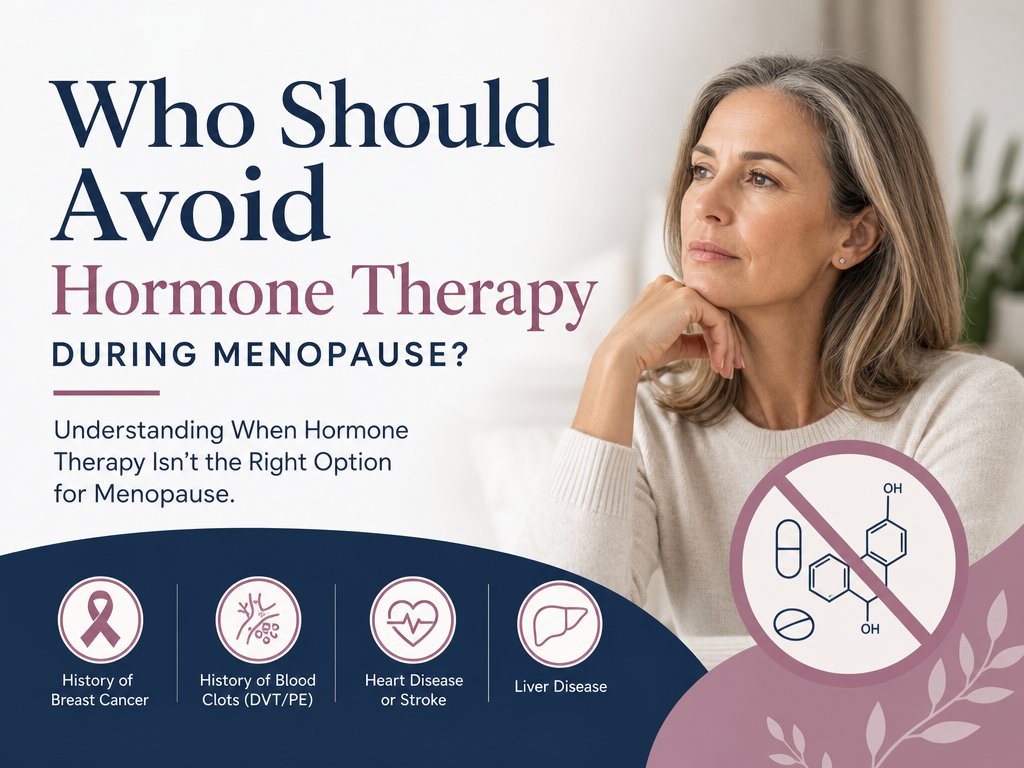
Hormone therapy is a widely recognized treatment for relieving menopause symptoms, but it isn’t suitable for everyone. For instance, people with a history of blood clots or certain cancers might find this approach inadvisable. Therefore, understanding its implications, potential benefits, and risks is crucial for anyone considering this form of therapy.
Understanding Hormone Therapy
The therapy involves administering estrogen, progesterone, or both. While many find relief through this method, the effects can vary based on individual health conditions and the duration and type of hormones used. Hormones play a vital role in regulating several body functions, and their balance is essential for maintaining overall well-being. Proper hormonal balance is intertwined with mood regulation, bone health, metabolic functions, and cardiovascular health, underscoring the importance of careful consideration in hormone therapy.
Consulting a Healthcare Professional
It’s crucial to have a thorough discussion with a healthcare provider to weigh the benefits and risks of hormone therapy. The decision is deeply personal and should be made in collaboration with your doctor. This collaborative approach ensures that all factors, including lifestyle, age, genetic predispositions, and personal health history, are considered in choosing the most suitable treatment protocol.
Risks Related to Breast Cancer
Hormone therapy’s link to breast cancer depends on the hormones used and the woman’s medical history. Notably, those with a history of estrogen-sensitive cancer may need to refrain from systemic hormone therapy, which affects the entire body. Thorough evaluations can help mitigate potential risks and inform safer application practices. Regular screening and keeping an ongoing dialogue with healthcare providers bolster safety in users opting for hormone therapy.
However, in some instances, topical vaginal estrogen might be recommended for symptom relief, dependent on individual circumstances and healthcare advice. Such options aim to provide comfort while minimizing systemic exposure to hormones, balancing effectiveness with safety considerations.
Caution with Other Cancers
Those with a history of estrogen-sensitive cancers, such as endometrial cancer, must be particularly cautious about hormone therapy. However, recent guidelines suggest it could be permissible in specific early-stage cases or following a hysterectomy. Individual assessments and professional recommendations serve as pivotal elements in managing treatment in such contexts. The nuance of each patient’s medical history is taken into account through personalized professional guidance.
Blood Clot Considerations
Individuals with personal or family histories of blood clots should evaluate the safety of hormone therapy with their doctor, as it may affect clot risk depending on its form and dosage. Recognizing these nuances is essential in ensuring a patient-centered, risk-averse approach. A tailored approach minimizes health hazards while fostering therapeutic benefits.
For instance, transdermal options, absorbed through the skin, might offer a safer alternative compared to oral versions. By bypassing the liver’s first pass, transdermal applications can potentially reduce the associated risks of blood clots, offering safer routes especially for those predisposed to clotting issues.
Age and Hormone Therapy
Starting therapy before the age of 60 or within ten years of menopause onset is often safer. Beyond this period, risks might outweigh the benefits according to health guidelines. This timeline ensures that the therapy’s potential benefits remain aligned with an individual’s physiological needs. Considering the biological and clinical contexts aids in optimizing the safety and efficacy of the therapy.
Doctors can provide guidance regarding the duration of therapy, as the risk of certain cancers, like breast cancer, can increase with prolonged use but may diminish after discontinuation. Ongoing evaluations allow for timely adjustments, optimizing therapeutic outcomes for patients and ensuring the therapy remains consonant with changing health needs and situations over time.
Making the Decision
The suitability of hormone therapy is contingent upon whether its benefits outstrip the risks for the individual. Open discussions about chronic conditions and lifestyle habits with healthcare providers are essential for effective decision-making. The goal is to personalize care strategies in response to unique health parameters, catering to individual needs and preferences.
Learn more about hormone therapy benefits or explore alternatives with professional guidance. If necessary, healthcare professionals can offer other management strategies for menopause symptoms. This ensures that individuals receive the most comprehensive and suitable care possible, reflecting modern advancements in medical practices.
For further information, access resources or newsletters related to menopause and proactive health management. Staying informed fosters better health outcomes and empowers individuals to make well-informed health decisions, promoting autonomy in personal healthcare journeys. Comprehensive understanding and continued education on hormone therapy and its alternatives are valuable assets in navigating menopausal health effectively. Readers are encouraged to seek multidisciplinary support where applicable to enrich their knowledge and optimize their health strategies.