Understanding Cholesterol
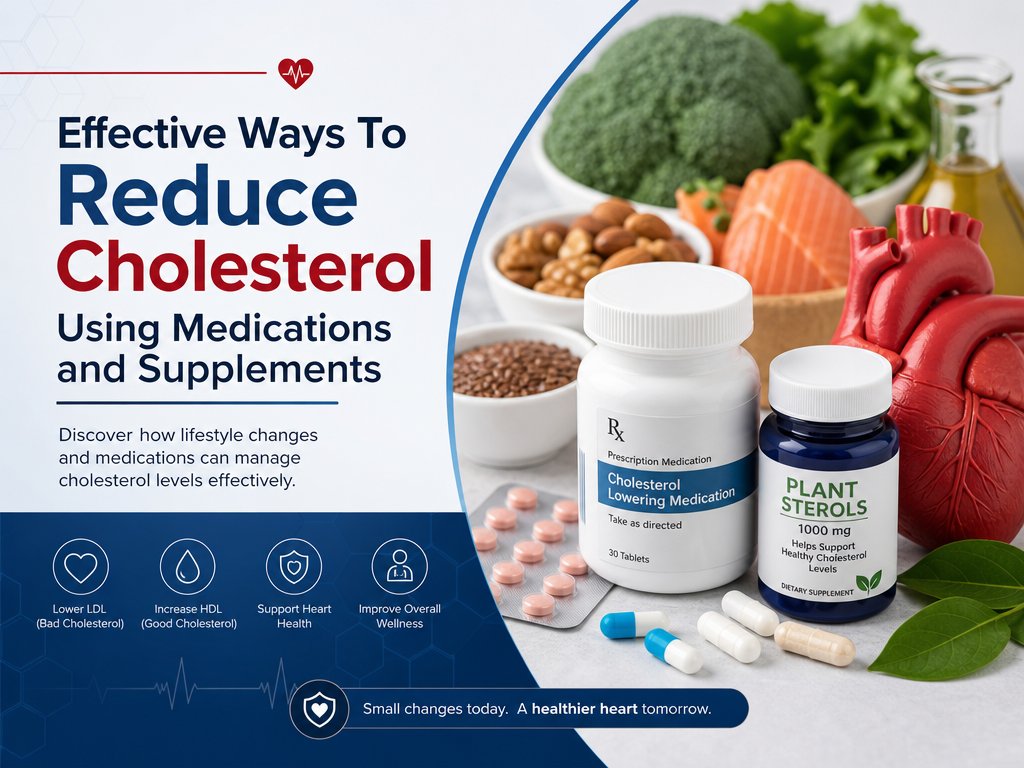
Cholesterol is a fatty substance found in your blood, essential for numerous bodily functions such as building cell membranes and producing hormones. Manufactured primarily in the liver, cholesterol also enters the body through foods of animal origin like meat, eggs, poultry, and full-fat dairy products. It plays a crucial role in the growth and maintenance of healthy organ function. Nonetheless, excessive cholesterol levels can accumulate and obstruct arteries, resulting in severe health issues such as heart disease and stroke. Various types of cholesterol, notably the ‘good’ HDL (high-density lipoprotein) and the ‘bad’ LDL (low-density lipoprotein), influence overall health. Understanding the balance between these types helps determine the necessity for lifestyle adaptations or medications, a topic for discussion with your healthcare provider.
Lifestyle Changes and Initial Steps
The primary approach to managing cholesterol involves making key lifestyle changes. This typically includes adopting a heart-healthy diet, which should incorporate plenty of fruits, vegetables, whole grains, and lean proteins. Reducing saturated and trans fats found in many processed and fried foods can also be beneficial, as can limiting cholesterol intake. It is equally important to engage in regular physical activity, as exercise can help increase HDL levels and reduce LDL levels. Aiming for at least 150 minutes of moderate exercise weekly can improve cardiovascular health. However, in some cases, these measures may not be sufficient to achieve desired cholesterol levels. When lifestyle changes are inadequate, healthcare providers may prescribe medications to lower cholesterol further and reduce the risk of cardiovascular complications.
Common Cholesterol-Lowering Medications
Statins
Statins are the most commonly prescribed class of medications for lowering cholesterol. They function by inhibiting an enzyme in the liver responsible for producing cholesterol, thereby helping the body remove excess cholesterol from the bloodstream. Statins are highly effective in reducing the risk of cardiovascular events like heart attacks and strokes. While statins are generally safe for most people, they can occasionally cause side effects such as muscle pain, digestive issues, and in rare instances, damage to the liver or muscle. Should any side effects occur, it is important to inform a healthcare provider. Regular monitoring of liver function tests can help manage these side effects and ensure continued safety and efficacy.
Bile Acid Sequestrants
Bile acid sequestrants work by binding bile acids in the digestive tract, preventing their reabsorption. This process forces the liver to use more cholesterol from the blood to produce new bile acids, thus lowering LDL cholesterol levels. These drugs are often used in combination with statins for enhanced effectiveness. However, they may cause digestive problems such as constipation and can interfere with the absorption of vitamins and other medications. Therefore, it is essential to consult healthcare providers when using this class of drugs to avoid nutrient deficiencies and other complications. Dietary adjustments can alleviate some of the digestive side effects associated with bile acid sequestrants.
Cholesterol Absorption Inhibitors
Cholesterol absorption inhibitors, such as ezetimibe, prevent the small intestine from absorbing cholesterol. This can lead to modest improvements in cholesterol levels by decreasing LDL cholesterol and possibly increasing HDL cholesterol. Ezetimibe is often used in conjunction with statins to achieve better results. It is generally well-tolerated but may cause side effects like muscle pain or liver enzyme elevations. Routine monitoring of liver enzymes can be beneficial in patients taking ezetimibe to manage potential risks effectively. Being aware of your body’s response and communicating any differences to your doctor can lead to timely interventions if needed.
Prescription-Strength Niacin
Niacin, also known as vitamin B3, can be prescribed in higher doses to help raise HDL and lower LDL cholesterol and triglycerides. However, due to the risk of side effects such as flushing, itching, and even potential liver damage, prescription-strength niacin is only recommended when statins are unsuitable or if additional cholesterol reduction is needed. Managing side effects like flushing with lifestyle modifications, such as avoiding alcohol and hot beverages, can improve overall treatment adherence. Physicians monitor liver function closely for those on niacin due to these potential side effects.
PCSK9 Inhibitors
PCSK9 inhibitors are a newer class of cholesterol-lowering drugs. They are injectable monoclonal antibodies that work by improving the liver’s ability to remove LDL cholesterol from the blood. While highly effective, PCSK9 inhibitors are expensive and typically reserved for individuals who cannot achieve target cholesterol levels with traditional treatments, such as those with familial hypercholesterolemia. Their introduction to therapeutic regimens can represent a significant improvement for patients struggling with high cholesterol, particularly for those who have specific genetic considerations impacting cholesterol metabolism.
ACL Inhibitors
ACL (adenosine triphosphate-citrate lyase) inhibitors are another class of medications that target enzymes crucial for cholesterol production in the liver. Often used alongside statins, these drugs further lower cholesterol levels. While generally safe, there is a slight risk of tendon rupture associated with ACL inhibitors, and some trials have indicated potential for abnormal blood test results. Monitoring for musculoskeletal symptoms and periodic blood tests can aid in managing the safe use of ACL inhibitors. Being proactive and informing your healthcare provider of any unusual symptoms ensures timely response and adjustment in treatment strategies.
Special Conditions and Treatments
Individuals with familial hypercholesterolemia, a genetic disorder leading to significantly high cholesterol levels, often require a more aggressive treatment approach. This may include a combination of statins, ezetimibe, and other medications like PCSK9 inhibitors or the innovative drug Inclisiran, which helps reduce LDL cholesterol levels through a novel mechanism. Treatment for this condition is tailored to the individual and emphasizes collaboration with healthcare specialists to manage cholesterol effectively. Genetic counseling and family screening can play a role in comprehensively addressing familial hypercholesterolemia, providing holistic care management and prevention strategies for all affected family members.
Fibrates and Omega-3 Fatty Acids
Fibrates primarily target triglycerides, reducing them more significantly than LDL cholesterol. They are occasionally used when triglyceride levels are especially high. Omega-3 fatty acids are particularly effective at lowering very high triglycerides and may be used alongside other therapies. However, omega-3 supplements carry a risk of bleeding and should be used cautiously, particularly in people taking anticoagulants or with bleeding disorders, as well as those who are pregnant. Animal studies and emerging research continue to explore the profound benefits and complexities of omega-3 acids, aligning them with comprehensive cholesterol management plans. Individuals using omega-3 or fibrates should regularly monitor their triglyceride levels and engage consistently with healthcare providers to optimize treatment efficacy and safety.
Exploring Over-the-Counter Options
Various over-the-counter (OTC) supplements are promoted for cholesterol management. Plant sterols and stanols are known to help reduce LDL cholesterol by limiting its absorption in the intestines. Soluble fiber, found in foods like oats and legumes, can reduce cholesterol absorption into the bloodstream. Garlic supplements and red yeast rice are believed to have cholesterol-lowering properties, but their effectiveness can vary, and they may interact with other medications. There is potential for side effects with all supplements, and it’s important to consult with a healthcare provider before beginning any new supplement regimen, especially for those who are pregnant or have medical conditions. Additionally, some individuals explore lifestyle approaches such as integrating more nuts and seeds into their diet, as these can contribute beneficially to lipid profiles. Navigating the realm of supplementation for cholesterol must be done with informed guidance and thoughtful reflection on individual health needs, ensuring personalization in healthcare approaches.
Ensuring Effective Treatment
Achieving and maintaining healthy cholesterol levels is an ongoing process that requires collaboration with healthcare providers. Adhering to prescribed medications and following lifestyle recommendations are crucial components of cholesterol management. Patients experiencing side effects or concerns with their medication should promptly consult their doctor to adjust treatment if necessary. It is also key to discuss any supplements being considered to ensure they do not interfere with prescribed medications. Regular monitoring of cholesterol levels and maintaining open communication with healthcare professionals will support optimal heart health and reduce the risk of cardiovascular disease. Furthermore, understanding genetic predispositions and family history can offer additional insights essential for devising a personalized management plan best suited to an individual’s health needs and goals. Routine check-ups and adapting to the evolving landscape of cardiovascular health form the backbone of enduring wellness and serve as a beacon for preemptive health measures in our daily lives.