Understanding Workplace Burnout
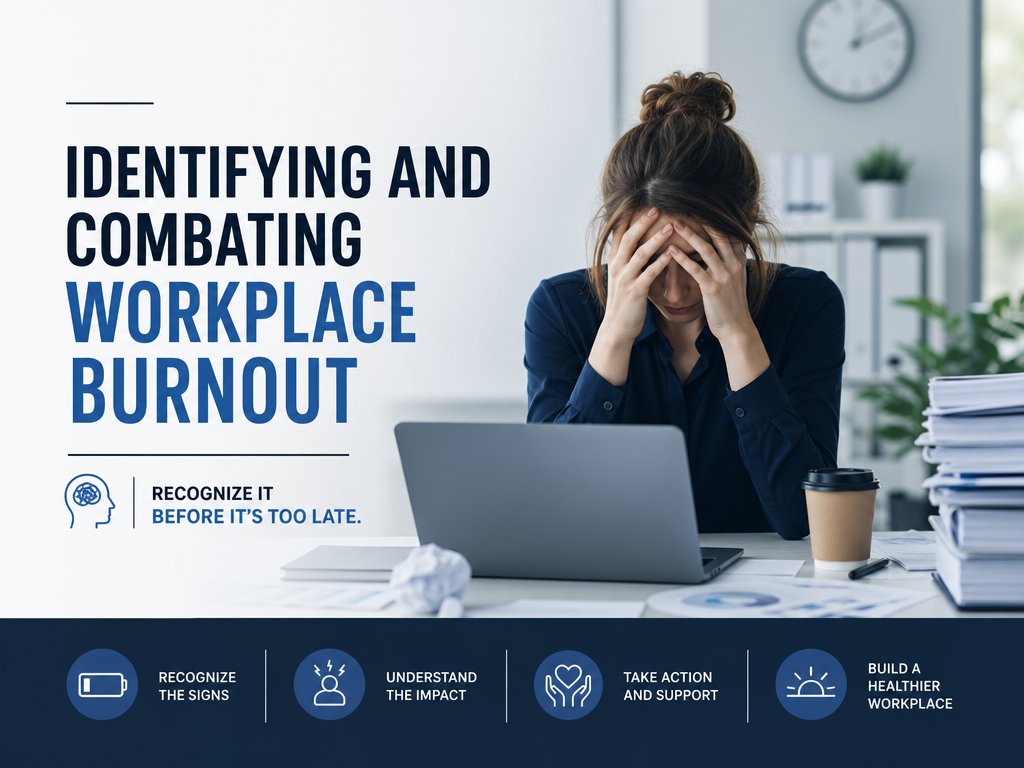
Many people find elements of their job they truly enjoy, but sometimes challenges such as difficult co-workers and long hours can lead to burnout. Imagine entering the office with a sense of dread, knowing another endless day awaits. Although everyday stress is normal, feeling you’re constantly on the brink is a sign of burnout, and understanding it can help in addressing the symptoms early on before they become overwhelming. It’s a predicament many face but few manage effectively without external guidance or support. The silent nature of burnout means it often goes unnoticed until significant damage is done to both professional and personal life.
Signs You’re Approaching Burnout
Losing Enthusiasm
When work feels like a chore, and your contributions seem undervalued, it might indicate burnout is near. Picture this: completing a critical project, yet feeling nothing when praised for your efforts. A consistently negative attitude is a major red flag. Finding yourself increasingly irritable or cynical about your work, especially toward colleagues or clients, can be a common early sign, hinting that something is amiss. The waning of initial excitement, a dimming spark, points to the inevitability of needing change or relief.
Declining Performance
Burnout can cause you to lose focus and motivation. This often leads to arriving late, skipping work, and only doing the bare minimum required. Imagine the once vibrant workplace energy draining away to a trickle of forced productivity. You may notice that routine tasks require more effort than usual, or perhaps you are making more mistakes than before. Mistakes that would have been unheard of in your past performance could now be lurking everywhere, stemming from a decline in your attention to detail. It’s a chronic decline, often intensifying if not appropriately addressed, leading to career stagnation.
Overwhelming Workload
A nonstop work environment can consume your time and energy, ending in burnout. If your job leaves you perpetually tired and stressed, it’s time for a change. The pressure you feel might resemble an endless cycle, where no amount of effort seems sufficient. Feeling unable to control your workload or working incessantly without breaks, fearing what might pile up during your absence, contributes significantly to burnout. It’s like carrying a heavy load which never seems to lighten, no matter what you do. You keep pushing, thinking the load will lessen, but the reality is it often requires intervention and reassessment.
Stress Impacting Health
Long-term stress from burnout affects health. Monitor your physical and mental state, as ongoing stress may lead to health issues. Symptoms can range from headaches and digestive problems to sleep disorders and weakened immunity. Emotional symptoms like increased feelings of anxiety, depression, or sadness are also common indicators of health deterioration due to burnout. The feelings of unrest can seep into every part of your life, highlighting the necessity for immediate action. It’s crucial to keep a pulse on physical cues your body gives, as burnout often manifests in subtle health disturbances that, if overlooked, may escalate into serious issues.
Addressing Burnout
Healthy Lifestyle Changes
To mitigate burnout, maintain a healthy lifestyle. Eat well, exercise, and ensure adequate sleep. These are fundamental to avoiding burnout. Establish a morning routine that includes time for breakfast and light stretches. Incorporating mindfulness practices such as meditation or yoga can also enhance mental well-being and resilience against everyday stressors in the workplace. Taking small steps every day contributes to a stronger overall defense against burnout. Emphasizing self-care shouldn’t be viewed as an indulgence but as a necessity for sustainable health and productivity.
Communicating with Your Employer
Discuss your concerns with your employer if you are overwhelmed. Balancing work expectations can help manage stress and reduce burnout risk. An open dialogue regarding workload, deadlines, or even potential job restructuring could lead to a more manageable environment, fostering both productivity and well-being. Voicing your needs can lead to surprising changes, possibly including more flexible schedules or additional support for challenging tasks. An environment that encourages open communication can significantly alter the burnout trajectory, supporting collaborative solutions.
Taking Time for Yourself
Dedicate time to rejuvenate by taking breaks and using available vacation days. Reconnect with your hobbies and unwind. Passionate pursuits outside of work can revitalize your spirit. Engaging in activities that you enjoy outside of work is crucial in maintaining a work-life balance, ensuring you’re not only defined by your job responsibilities but also by what makes you happy and fulfilled in personal life. It’s important to appreciate and value time spent outside of work, nurturing relationships and hobbies that provide joy. These activities not only alleviate stress but enhance creativity and problem-solving skills that you can bring back to work.
Knowing When to Move On
If efforts to reduce burnout don’t work, considering a new job might be necessary. Understanding burnout is crucial in managing your career and personal life effectively. Recognizing that an environment or role no longer serves you can be a significant step toward personal growth and career satisfaction. Taking stock of your personal and professional goals periodically can aid in making informed decisions about your employment situation. It’s about creating opportunities for a healthier and happier professional journey by choosing to pursue paths more aligned with your values and aspirations. Career transitions can be daunting, but the potential for renewed enthusiasm and passion in your work is often worth the initial challenge. Each step towards change is a reclaiming of your personal agency over life and work, a testament to adaptability and resilience.