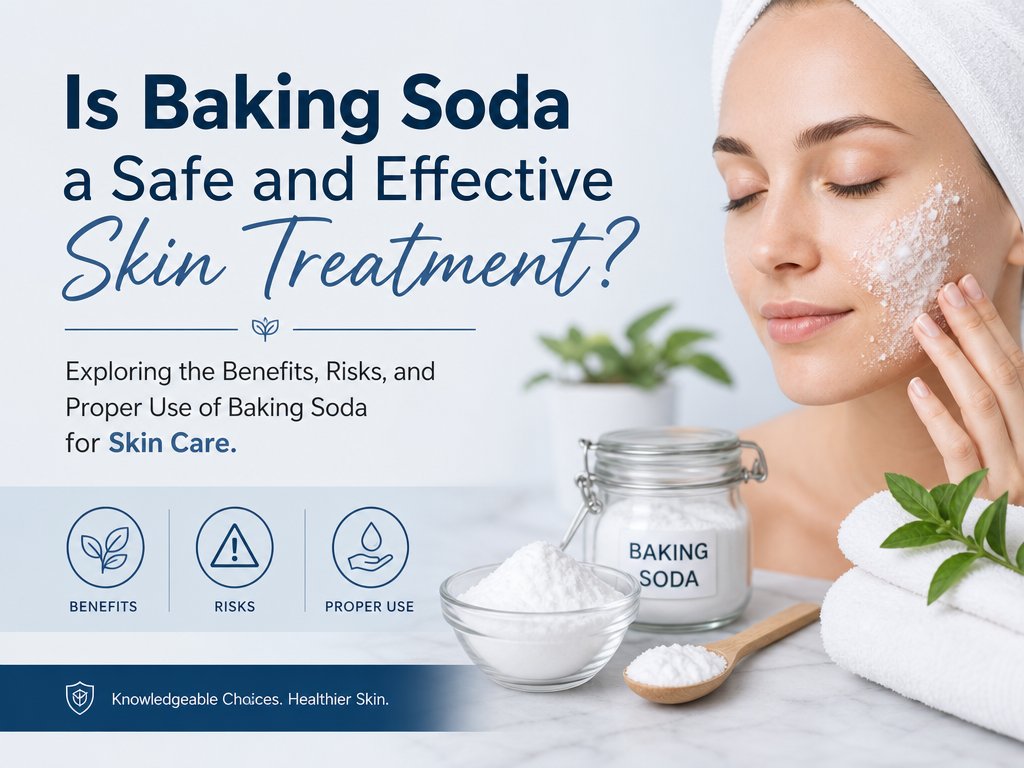
Introduction to Baking Soda for Skin Care
Baking soda, or sodium bicarbonate, stands out as a versatile household staple commonly used in cooking and cleaning. Lately, it’s gaining recognition for its potential in addressing various skin conditions. This article delves into the benefits and limitations of using baking soda on the skin, evaluates its safety, and outlines the proper methods for its application.
Potential Skin Benefits and Uses
Acne and Skin Infections
Baking soda is known to act as a natural antiseptic with antibacterial properties that may reduce acne-causing bacteria upon topical application. Although it has been suggested that baking soda might help manage acne, especially on areas like the shoulders or back, it should be used cautiously, particularly on sensitive facial areas, and it is not recommended for application on large skin areas due to potential irritation. Proper patch testing can help determine individual sensitivity to avoid adverse reactions.
Eczema and Psoriasis Relief
For those experiencing eczema, adding baking soda to a warm bath can provide relief from itchiness associated with the condition. A recommendation is to add about 1/4 cup of baking soda to the bath. For psoriasis sufferers, anecdotal evidence supports its use in conjunction with oats in baths, although more robust research is needed for confirmation. However, consultation with a healthcare provider is advised to ensure safe usage. Implementing a moisturizing routine after these baths can help maintain skin hydration.
Chickenpox and Hemorrhoids
Itchiness caused by chickenpox and discomfort from hemorrhoids may both benefit from a baking soda bath. Soaking in a solution containing one cup of baking soda can help soothe these conditions effectively. This home remedy is often favored for its simplicity and accessibility, although it should be noted that medical advice is crucial to avoid complications. Additionally, maintaining regular hygiene and careful skin care practices can help expedite recovery.
Additional Applications
Conditions like Ichthyosis and Fungal Infections
Ichthyosis, a condition resulting in thickened, scaly skin, along with fungal infections such as nail fungal infections, might improve from baking soda treatments in bathwater, though scientific validation remains scant. Users should be aware of the limitations of this treatment and seek medical direction if conditions persist. Incorporating a balanced skincare routine can complement baking soda treatments for potential improvements.
Bug Bites and Stings
Applying a paste made of baking soda and water on bug bites can help reduce itching and potentially neutralize bee venom. This method is mainly backed by personal testimonials rather than scientific studies, hence caution and consideration of alternative treatments are advised if irritation occurs. Ensuring the paste is not left on for extended periods can help minimize potential skin irritation.
Fungal Overgrowths
For issues like candidiasis, involving yeast infections, a baking soda bath is recommended to reduce symptoms such as itching and redness caused by yeast overgrowth. This remains a popular home remedy despite the lack of extensive scientific substantiation. Patients should approach this treatment with discretion and consult healthcare professionals for persistent symptoms. Monitoring skin response and avoiding excessive usage can help prevent unwanted side effects.
Precautions and Risks
Skin pH and Potential Irritation
Baking soda, known for its high alkalinity, can significantly alter the skin’s natural pH balance, resulting in dryness and irritation. It is not advised for use as a facial cleanser as it may disrupt the skin’s protective barrier, contributing to further irritation. It is essential to test on a small skin area first to gauge its effect. Utilizing a gentle moisturizer afterward can help replenish skin moisture levels.
Metabolic Alkalosis Risk
Excessive use of baking soda, especially in baths where it can be absorbed through the skin, might lead to metabolic alkalosis, which is a dangerous imbalance of body pH levels. It is important not to overuse baking soda, and to monitor for any adverse reactions, seeking medical guidance when necessary. Limiting the frequency of baking soda baths can help minimize this risk.
Use in Children
For children, especially babies, it’s recommended to avoid applying baking soda on large skin areas due to their heightened sensitivity and the potential for adverse reactions. Parents should consult pediatricians before considering its use on children’s skin, ensuring that only safe and effective treatments are pursued. Monitoring closely for any signs of skin irritation is crucial during the application process.
Conclusion
While baking soda presents an accessible and cost-effective option for certain skin issues, it is vital to remember that it is not universally safe. Therefore, consulting a dermatologist before initiating treatment is essential, as many more effective alternatives may be available, tailored to specific skin conditions. Additionally, considering professional advice ensures that underlying health conditions are addressed appropriately. Properly validating the safety and suitability of any treatment aligns with best practices in skincare. It’s imperative to exercise caution when considering any new treatment regimen for skin care, alongside professional guidance, to ensure safety and effectiveness.