Introduction to Rheumatoid Arthritis
Rheumatoid arthritis (RA) is a chronic autoimmune disorder characterized by the immune system’s erroneous attack on the body’s own joints. This results in inflammation, pain, and potentially significant discomfort, potentially leading to long-term joint deformities and even damage to major organs over time. Understanding that no cure for rheumatoid arthritis has been identified as of today is crucial; however, various treatments exist that can effectively manage symptoms and prevent severe joint damage. This, in turn, can dramatically improve patients’ quality of life.
Types of RA Treatments
Treatment for RA is generally categorized into three main types, each designed to address different facets of the disease:
1. DMARDs
Disease-modifying antirheumatic drugs (DMARDs) form the backbone of RA treatment. They work by slowing the rate of disease progression and subsequently preventing further joint damage. A significant consideration is that DMARDs may require several months to exhibit their full therapeutic effects. Therefore, patient patience and adherence to the prescribed drug regimen are crucial to optimizing treatment outcomes.
2. NSAIDs
Nonsteroidal anti-inflammatory drugs (NSAIDs), covering well-known medications such as ibuprofen and naproxen, are often employed alongside other prescriptions. Although effective in alleviating pain and reducing inflammation, they do not actually prevent joint damage. Their primary role is to provide immediate symptomatic relief.
3. Biologics
Biologic drugs constitute a newer category within the realm of DMARDs and work by targeting specific components of the immune system’s responses. This targeted approach can lead to more rapid symptom relief, often becoming effective within a matter of weeks, unlike traditional DMARDs, which can take longer to manifest results.
When to Consider Changing Your Treatment
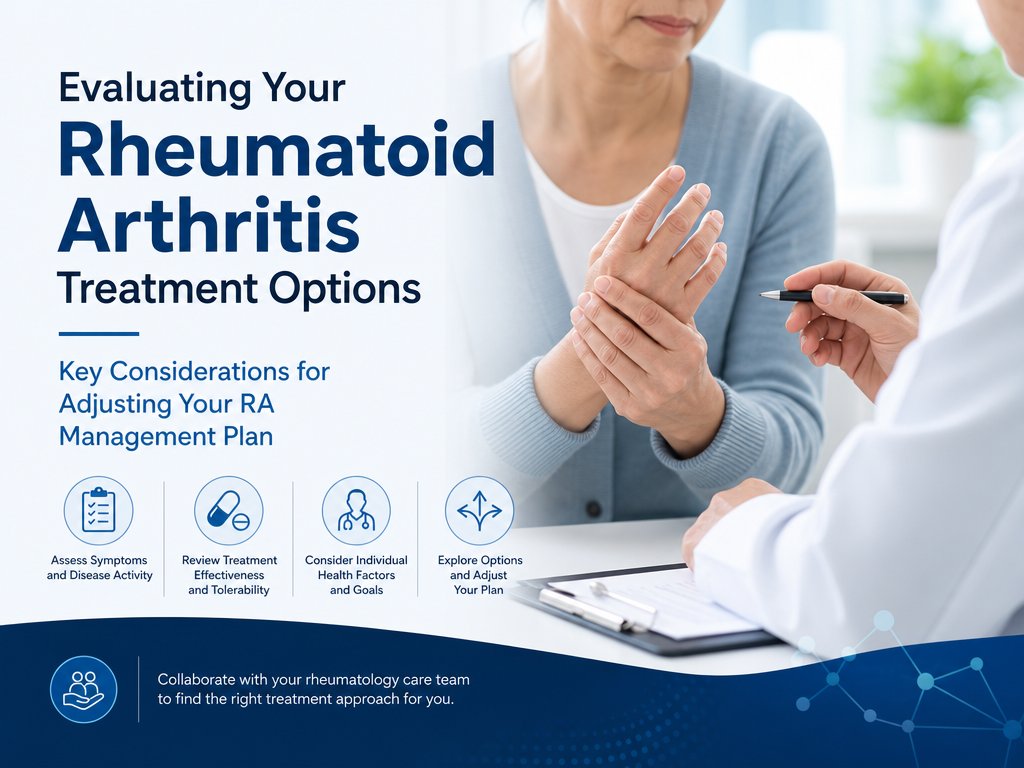
The efficacy of RA treatments may decline over time due to a variety of factors, such as increased medication tolerance, the emergence of new symptoms, or the onset of adverse side effects. Key indicators that you should contemplate re-evaluating your RA treatment plan are detailed below:
Treatment Tolerance
Overtime tolerance—the body may become accustomed to a specific medication, reducing its effectiveness—a condition known as tolerance. This could necessitate adjustments in dosage or even a change in medication to maintain the efficacy of symptom management.
Symptom Flare-ups
Occasions where symptoms intensify or new symptoms manifest—such as increased pain or discomfort in previously unaffected areas—might signal the need for stronger medications. In such cases, transitioning from traditional DMARDs to more potent biologics or implementing drug combinations may be necessary to effectively regain control over symptoms.
Side Effects
RA medications can have side effects ranging from mild to severe, significantly impacting daily life and overall well-being. If side effects become intolerable, it is crucial to discuss them with your healthcare provider to evaluate alternative treatments that might minimize side effects while still effectively managing the disease.
Remission
Achieving remission, where RA symptoms diminish or disappear for extended periods, may allow for reduced medication dosages or a switch from biologics to simpler treatments. This strategic approach aims to minimize long-term side effects while maintaining disease control, balancing treatment efficacy with quality of life considerations.
Communicate with Your Doctor
Open and honest communication with your doctor is essential in effectively managing RA. Discuss all symptoms, changes, and side effects to determine the most suitable treatment course tailored to your needs. Remember, finding the appropriate treatment plan can significantly enhance your quality of life and help you manage RA more effectively over the long term. It is vital to actively engage in your treatment plan and cooperate closely with your healthcare providers for optimal outcomes. Regular check-ups and monitoring, in this context, play a crucial role as they allow for timely adjustments to the treatment plan. This ensures a responsive and personalized approach to managing your condition effectively, reflecting a commitment to maintaining and improving your overall health and well-being.