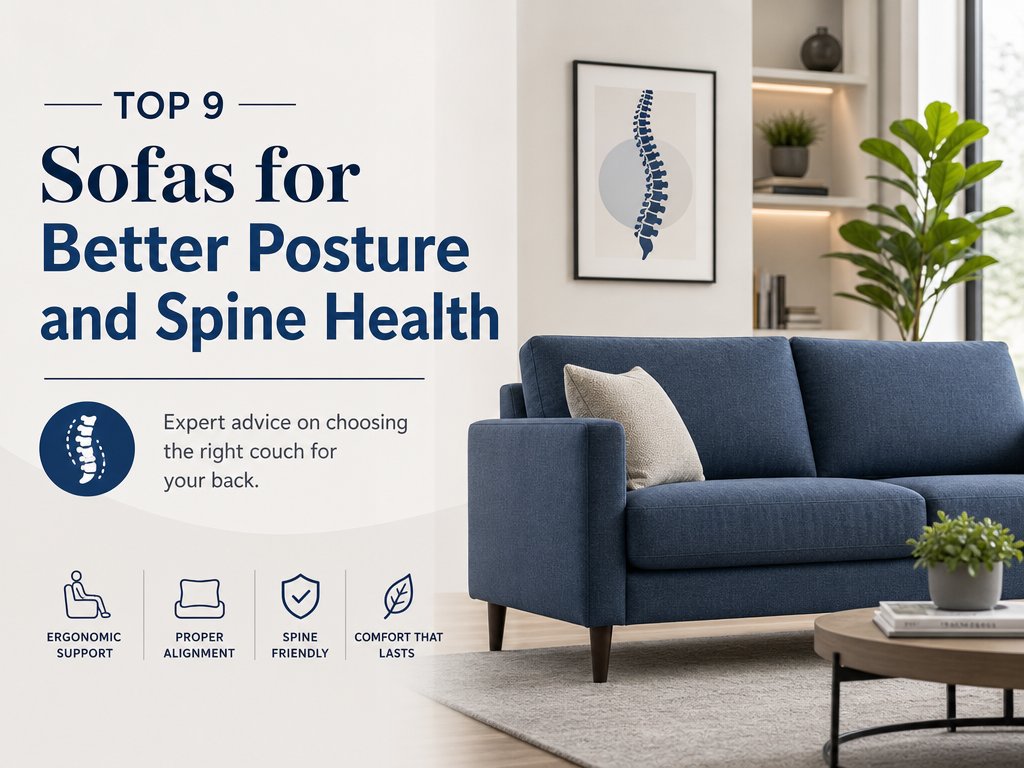
Introduction
Your couch is a central component in your home, second only to your bed regarding usage. It serves as the primary location for countless family gatherings, leisurely TV watching, and sometimes even a quiet place to relax with a book or a nap. Therefore, having a couch that supports not just your lifestyle but also your physical health, particularly your back, is crucial.
Choosing the Right Couch
When selecting a couch, it is essential to consider factors that will help maintain good posture and contribute to a healthy back. These considerations include the couch’s height, depth, cushioning, and overall design. Proper support is paramount, as sitting for prolonged periods on an ill-suited couch can negatively impact your back and overall well-being. To help guide your decision, we sought the insights of orthopedic experts and analyzed extensive customer feedback to compile a list of recommended couch options.
Design and Comfort
The construction of a couch significantly impacts its comfort and functionality. Seek out designs that incorporate a blend of foam and feather, as this combination provides substantial support while preventing the couch from sagging over time. Couches with covers made from anti-stain fabrics can also be highly practical, offering ease of cleaning and maintaining their appearance for longer periods.
Customer Favorites
Certain couch models stand out, receiving high praise for their comfort and aesthetic appeal. Many of these models offer customizable features, such as memory foam blends and modular sections, allowing homeowners to tailor the couch to their specific needs and preferences. Additionally, some couches utilize eco-friendly and sustainable materials, appealing to environmentally-conscious consumers who wish to minimize their carbon footprint while seeking comfort and style.
Impact on Orthopedic Health
From an orthopedic standpoint, the manner in which you sit on your couch—especially the alignment of your body—is of paramount importance. According to Dr. Rahul Shah, a misaligned seating position, such as one that causes you to lean forward, should be avoided. Proper alignment helps ensure that your head and pelvis remain in harmony, reducing strain and promoting better overall spinal health.
Postural Considerations
Dr. Brian A. Cole highlights the potential pitfalls of choosing a couch that is too soft. Soft couches may disrupt the natural alignment of your spine, contributing to increased back pain over time. It is vital to maintain the natural curves of your spine while seated to minimize the stress placed on surrounding soft tissues. Health experts advocate for choosing seating that not only looks good but also complements your physical needs. Prioritizing this balance prevents the development or exacerbation of back issues.
Ideal Features for Back Health
An ideal couch should support a seated position where your legs form a 90-degree angle, ensuring your knees are at the same height as your hips. This position helps distribute your body weight evenly and prevents undue stress on your back. If your household includes individuals of varying heights, consider adding supplemental items like ottomans or footrests to provide additional support and customized comfort.
Posture Tips
To safeguard your spine, avoid slouching, which can lead to overstretched spinal ligaments and increased discomfort. Additionally, taking regular breaks from prolonged sitting and emphasizing proper posture can alleviate pressure on your back, helping you stay comfortable and pain-free. Implementing small adjustments, such as using lumbar pillows, can make a notable difference in the level of comfort and support you experience while seated.
Sleeping on the Couch
Although sleeping on the couch is generally not recommended, if you find yourself needing to do so occasionally, make sure to use pillows strategically. Proper pillow placement can help maintain your body’s alignment and provide adequate support, reducing the possibility of waking up with aches and pains. Strategic placement of these pillows under your head and knees can ensure your spine maintains an optimal curve even when the bed is out of reach.
Caring for Your Back at Home
Your choice of couch plays a pivotal role in maintaining your back health while at home. Selecting a well-designed and supportive seating solution is essential for long-term comfort and health. Should you experience discomfort related to your seating arrangements, consulting with medical professionals can provide valuable insight and recommendations to improve your home environment.
Natasha Burton, the author of this article, brings her knowledge and experience from contributing to esteemed publications such as Cosmopolitan and Women’s Health. Her passion lies in providing practical advice tailored for everyday living, particularly in managing the nuances of #momlife with her family.