Introduction
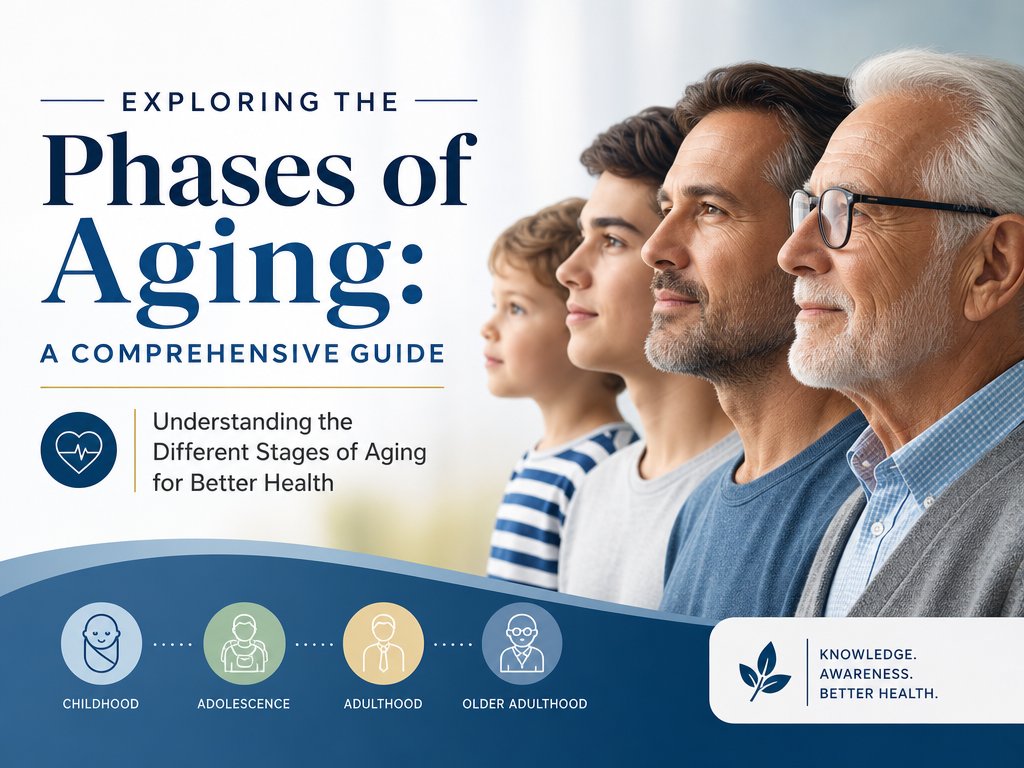
Understanding the stages of aging is essential for making informed decisions about health and fostering healthy aging. As the years progress, a series of biological processes are set in motion, bringing about physiological changes that influence our bodies. Gaining insights into these processes enables individuals to implement proactive strategies for managing and potentially alleviating some age-related changes.
Global Aging Trends
According to the World Health Organization (WHO), the global demographics of aging are undergoing a significant shift. The population of people aged 60 and older is on the rise, projected to reach 1.4 billion by 2030, up from 1 billion in 2020. By 2050, this figure is expected to grow to 2.1 billion. Additionally, the demographic of those aged 80 and over is anticipated to triple by 2050. This global trend presents both challenges and opportunities for societies worldwide, necessitating adaptations in healthcare, social systems, and economic policies to accommodate this demographic transformation.
Biological Hallmarks of Aging
A 2023 review highlights 12 biological hallmarks that characterize the aging process. These include structural changes within our DNA due to external factors that lead to age-related diseases. Over time, the damage to DNA accumulates as the efficiency of cellular repair systems declines. Understanding these hallmarks is crucial in developing interventions that can slow down aging processes or reduce their impact on health.
The Role of Telomeres
Telomeres, which are the protective ends of chromosomes, play a significant role in aging. The lack of telomerase, the enzyme responsible for maintaining telomeres, can lead to various health conditions such as lung scarring, anemia, and other age-related ailments. A natural shortening of telomeres occurs with age, influenced by genetics and lifestyle. Research efforts into telomeres continue to explore potential therapies that could maintain telomere length and contribute to healthier aging. The continuous advancement in telomerase-related therapies promises exciting breakthroughs in extending healthy lifespan by delaying cellular aging.
Gene Control Alterations
Aging brings alterations in gene regulation, affecting how genes are turned on or off, which can lead to common ailments in later adulthood. Despite these challenges, many changes are potentially reversible through interventions. Advances in genetic research are exploring ways to modify gene expressions to slow aging processes and improve health outcomes in the elderly. Continued exploration in this field could lead to personalized medicine approaches tailored to mitigate age-related genetic shifts and maintain optimal health as we age.
Protein Balance and Function
Maintaining a balance of proteins is vital for health. Aging is linked to a decline in the body’s ability to regulate proteins, causing a build-up that may lead to the formation of plaques, disrupting normal cell functions. This imbalance can contribute to diseases such as Alzheimer’s and other neurodegenerative conditions. Research into improving protein homeostasis offers potential pathways for delaying the onset of such diseases. Innovative approaches, including chaperone proteins and targeted therapies, are being investigated to restore protein balance and ensure cellular resilience in the face of aging challenges.
Nutrient Sensing and Longevity
The process of detecting nutrients remains stable throughout evolution. Research suggests that reducing certain nutrient-detection activities can extend health span across species, with genes like FOXO3 associating with longer lifespans. Modulating nutrient-related pathways has become a focus in developing dietary and pharmaceutical interventions aimed at prolonging healthy lifespans. Caloric restriction and intermittent fasting are among the dietary strategies gaining attention as possible methods to promote longevity and enhance metabolic health as one ages.
Mitochondrial Health
Mitochondria are central to cellular energy production. Over time, their effectiveness diminishes, contributing to aging as harmful molecules increase and inflammation sets in. Preserving mitochondrial function through lifestyle changes, dietary supplements, and potential pharmaceuticals is the subject of ongoing studies aimed at reducing age-related functional decline. Researchers are investigating coenzyme Q10, resveratrol, and other compounds to boost mitochondrial efficiency and enhance overall cellular performance in the aging population.
Addressing Cellular Changes in Aging
As we grow older, cellular senescence leads to a halt in cell division, particularly noticeable in individuals over 65. The inefficiencies in tissue renewal and repair become apparent, affecting overall health. Targeting senescent cells to restore or enhance tissue function is a promising area in aging research, potentially paving the way for revolutionary therapeutic approaches. Scientists are delving into senolytics—compounds designed to selectively eliminate senescent cells—as a novel strategy to rejuvenate tissues and promote healthy aging.
Intercellular Communication
The manner in which cells communicate alters with age, impairing the body’s capability to maintain delicate balances required for optimal functioning. Declines in nerve and hormonal signaling further exacerbate this challenge. Enhancing intercellular communication through therapeutic interventions is being explored to maintain homeostasis and improve overall health in aging populations. Innovative approaches such as hormone replacement therapies and neurotransmitter modulation are being investigated to preserve functional intercellular dialogues in aging bodies.
Immune System and Inflammaging
Aging is associated with heightened inflammation, termed ‘inflammaging,’ and a reduced immune response. This inflammation is a precursor to several health conditions, including cardiovascular diseases and diabetes. Research into anti-inflammatory agents and lifestyle interventions is ongoing to mitigate the effects of inflammaging, aiming to bolster immune resilience as part of the aging journey. Polyphenols, omega-3 fatty acids, and other anti-inflammatory compounds hold promise in modulating the immune landscape and reducing chronic inflammation in older adults.
The Impact of Gut Microbiota
Recent studies underscore the influence of gut microbiota on overall health. These microorganisms are pivotal in maintaining bodily functions, and any imbalance could lead to health issues. Research continues to explore how gut changes affect aging, with probiotics and dietary interventions being investigated as methods to promote a healthy gut and slow aging. Personalized nutrition and gut-friendly diets are gaining traction as tools to optimize the gut microbiome and foster longevity.
Defining Older Adulthood
The stage at which one becomes an ‘older adult’ varies. Traditionally set at 65 due to retirement age and Medicare eligibility, this stage’s definition can differ based on social roles and individual development. Self-perception and cultural factors also play a role in how one identifies with older adulthood, influencing personal experiences and societal expectations associated with aging. As life expectancy increases, redefining what it means to be an ‘older adult’ may include milestones like continued career engagement or active community participation.
Promoting Healthy Aging
While factors like genetics are immutable, changes in lifestyle, including healthy eating and staying active, can impact aging positively. Regular physical activity and a diet rich in essential nutrients have been shown to increase longevity and improve the quality of life. Maintaining an active lifestyle can promote independence for longer, encouraging social interaction and mental well-being, crucial for overall health during aging. Engaging in community activities, embracing hobbies, and cultivating social networks are vital components of a fulfilling life well into older adulthood.
Aging is a spectrum of biological and chronological stages, influencing how we live and develop. By embracing healthy habits and leveraging advancements in science and medicine, individuals can mitigate the effects of aging, enhancing their well-being into the later years of life, ensuring that they not only live longer but also live well with a focus on maintaining overall vitality and quality of life. Embracing a proactive mindset towards aging empowers individuals to take charge of their health and maintain a rewarding and active lifestyle.