Understanding Cold Urticaria
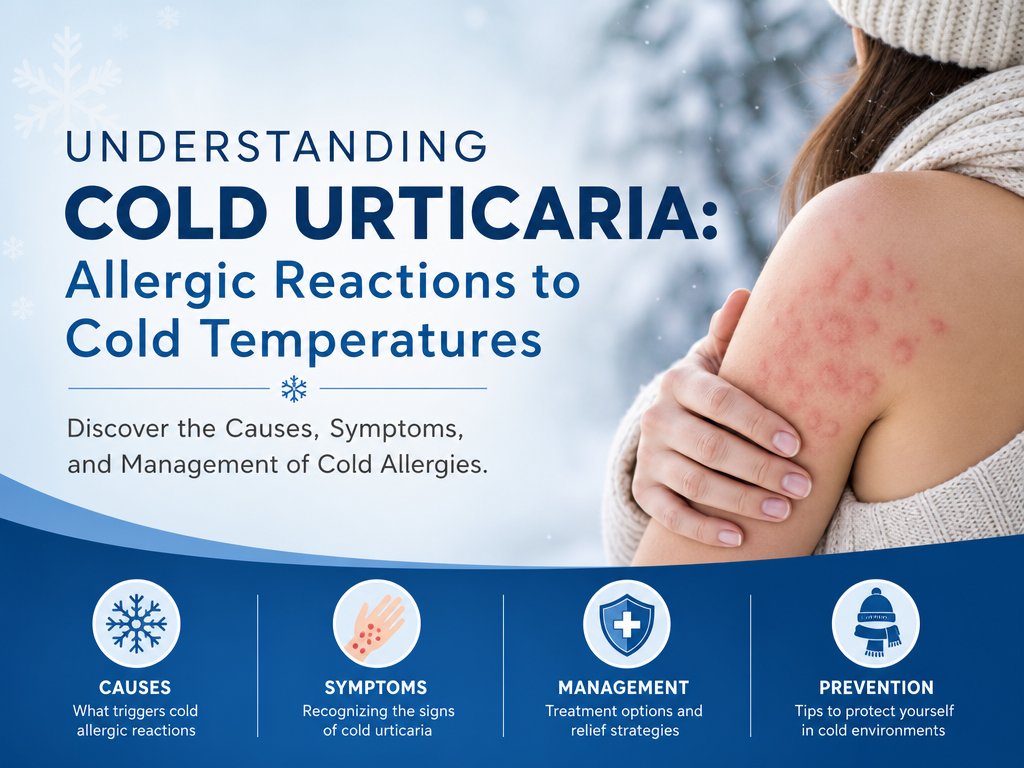
It’s possible to develop an allergic reaction to cold temperatures, a condition known as cold urticaria (CU). This condition can cause hives on the skin when exposed to cold temperatures, and in some cases, it may lead to a severe allergic reaction known as anaphylaxis. Cold urticaria is a type of physical urticaria, where environmental factors such as temperature changes can provoke a reaction, causing discomfort and potential health risks. Many individuals affected by this condition find their daily life impacted, particularly in colder climates or during activities involving water, such as swimming or even taking a cold shower. The social and psychological impact of this condition can also be profound, affecting one’s confidence and quality of life, as they might need to constantly be vigilant about the temperature of their surroundings.
Symptoms of Cold Urticaria
Those with cold urticaria can notice skin changes or other symptoms shortly after exposure to the cold. Symptoms can appear suddenly and may include hives, itching, swelling, and in severe cases, a drop in blood pressure leading to fainting. These symptoms may require immediate medical attention. It’s crucial for individuals with CU to be aware of potential risks and to manage their symptoms proactively, as ignoring them can lead to more severe health issues.
Symptoms generally manifest within minutes after exposure to cold temperatures and can last from a few minutes to a couple of hours, potentially affecting one’s ability to carry out daily tasks. The severity and duration of symptoms can vary significantly from one person to another, with some experiencing only mild discomfort while others may have severe, widespread reactions that necessitate medical treatment. Moreover, repetitive exposures can sometimes worsen the reaction, making early symptom recognition and response vital.
Causes and Triggers
Cold temperatures below 39°F (4°C) can trigger cold urticaria. When exposed to these temperatures, the body releases histamines, which lead to the symptoms experienced. This reaction can cause considerable discomfort and distress. While CU is quite common among adolescents and young adults, the condition can also run in families, suggesting a possible genetic component. Additionally, it can accompany specific illnesses, such as certain infections or blood disorders, further complicating its presentation.
Other triggers can include cold water, air conditioning, strong winds, or even handling cold objects. Individuals with this condition often have to take extra precautions during winter months or when engaging in outdoor activities that could expose them to sudden temperature shifts. Layering clothing, avoiding direct contact with cold substances, and planning ahead for foreseeable exposure can make a significant difference in managing the condition. Social events or travel can pose additional challenges, forcing individuals to adapt their routines to minimize their exposure to cold environments, thereby affecting their personal and professional life engagements.
Diagnosis and Testing
If you suspect cold urticaria, it is important to consult a doctor for a proper diagnosis. They may perform an “ice cube challenge,” placing an ice cube on the skin to observe for reactions such as hives or redness. In hereditary cases, the reaction may take longer to appear, indicating a potential genetic link. Blood tests might be necessary to identify underlying causes or to rule out other medical conditions that mimic cold urticaria, ensuring that treatment is appropriately targeted.
Related Conditions
Cold urticaria may be mistaken for other conditions that have a cold-related component. These include chilblains, which result in painful, itchy skin lesions developing due to prolonged exposure to cold and damp environments; Raynaud’s disease, characterized by color changes in the fingers and toes in response to cold due to blood vessel constriction; or cold agglutinin disease, a type of autoimmune hemolytic anemia where cold-induced antibodies lead to red blood cell destruction. Each of these conditions reacts to cold exposure but has distinct symptoms and implications, thereby requiring different management strategies. Understanding these differences is key to ensuring effective treatment and management, as a misdiagnosis can lead to inappropriate treatments that do not address the patient’s needs.
Treatment and Prevention
Managing cold urticaria involves a proactive approach to avoid cold exposure, such as wearing appropriate clothing and using antihistamines to help control symptoms. This preventative strategy is vital in reducing the frequency and intensity of attacks. In severe cases, more advanced treatments like omalizumab, a monoclonal antibody, may be prescribed. An EpiPen may be required for those at risk of anaphylaxis, offering a crucial line of defense during severe reactions. This tool can be life-saving and adds a level of safety for patients dealing with this unpredictable condition.
Treatment strategies primarily focus on reducing symptom intensity and improving quality of life. While some individuals may see an improvement or complete resolution over time, others might need ongoing management to keep the condition under control. Staying vigilant about possible cold exposure and maintaining open communication with healthcare providers are essential in managing CU effectively, as is ongoing education about the condition.
When to Seek Help
If severe symptoms appear, such as difficulty breathing, a rapid drop in blood pressure, or extensive hives, it is imperative to seek immediate medical attention. Discussing with your doctor about a personalized plan to manage the condition can provide clarity and empower individuals to handle their symptoms effectively. Avoiding sudden exposure to cold, having emergency medications ready, and educating those around you about your condition can form a solid management strategy, ensuring that early intervention prevents severe episodes and maintains a good quality of life. Such proactive measures not only protect the individual’s health but also offer peace of mind in managing this unpredictable condition. Adjustments in lifestyle and regular follow-ups with healthcare providers remain crucial for navigating the challenges posed by cold urticaria, enabling individuals to lead a fulfilling life despite the condition.