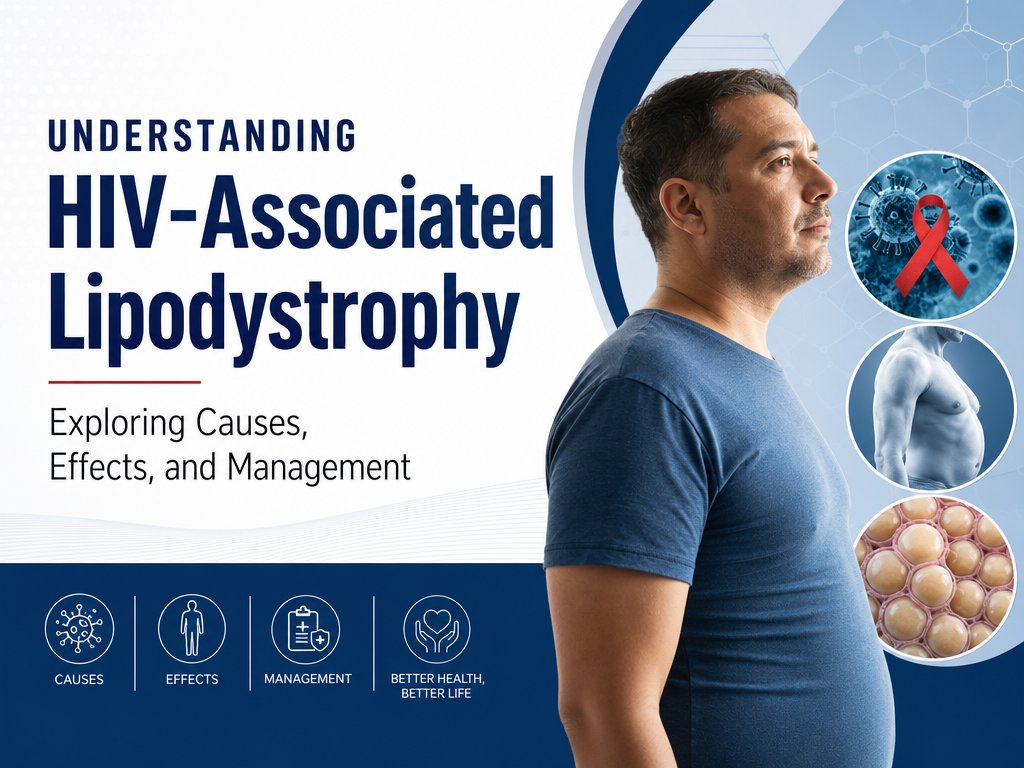
Introduction to HIV-Associated Lipodystrophy
HIV-associated lipodystrophy involves changes in body fat storage, describing variations that may occur in individuals with HIV. These manifest as fat loss (lipoatrophy), fat accumulation (lipohypertrophy), or a mix, leading to varied patterns in different body areas. Understanding these changes aids in effective management for patients and healthcare providers.
Causes of Lipodystrophy
The condition is mainly linked to antiretroviral therapy (ART), especially protease inhibitors and older nucleoside reverse transcriptase inhibitors (NRTIs). Early ART had higher prevalences, whereas newer treatments pose reduced risks. The mechanism involves effects on fat cells or lipid metabolism disruption, altering fat distribution.
Impact on Quality of Life
Though not life-threatening, lipodystrophy affects body image and quality of life, leading to psychological distress and impacting social interactions due to appearance concerns, thereby affecting mental health. Available treatments aim to manage these changes and support mental well-being. Open communication with healthcare providers aids in managing and mitigating psychosocial impacts effectively.
Patterns of Change and Health Effects
Lipodystrophy may result in increased abdominal girth or loss in limbs and face. These changes can also influence cholesterol, blood sugar, and insulin levels, potentially raising cardiovascular risks. Management of metabolic disturbances is part of comprehensive lipodystrophy care.
Factors Contributing to Lipodystrophy
While newer ART offers fewer instances of lipodystrophy, modifying medications may help alleviate the condition. Genetics, lifestyle, ART duration, and HIV progression may also affect its development. A personalized approach is crucial in addressing each patient’s unique profile.
Diagnosing Lipodystrophy
No specific test diagnoses lipodystrophy. Instead, healthcare teams assess symptoms by monitoring physical changes and reviewing patient history. Prompt consultation allows timely intervention. Imaging or body composition measurements may help assess changes.
Treatment Options for Lipodystrophy
Management focuses on symptom control and improving life quality. Treatment may include medication adjustments and mental health support to boost confidence and well-being. Lifestyle interventions, like diet and exercise, are essential in managing physical and emotional aspects. Where cosmetic changes are distressing, surgical interventions might be considered.
Conclusion
Although less common today due to advanced treatments, early recognition and addressing of body changes with healthcare professionals remain crucial. Effective care maintains both health and self-confidence. Ongoing research and patient education are key to improving outcomes for those with HIV-associated lipodystrophy.