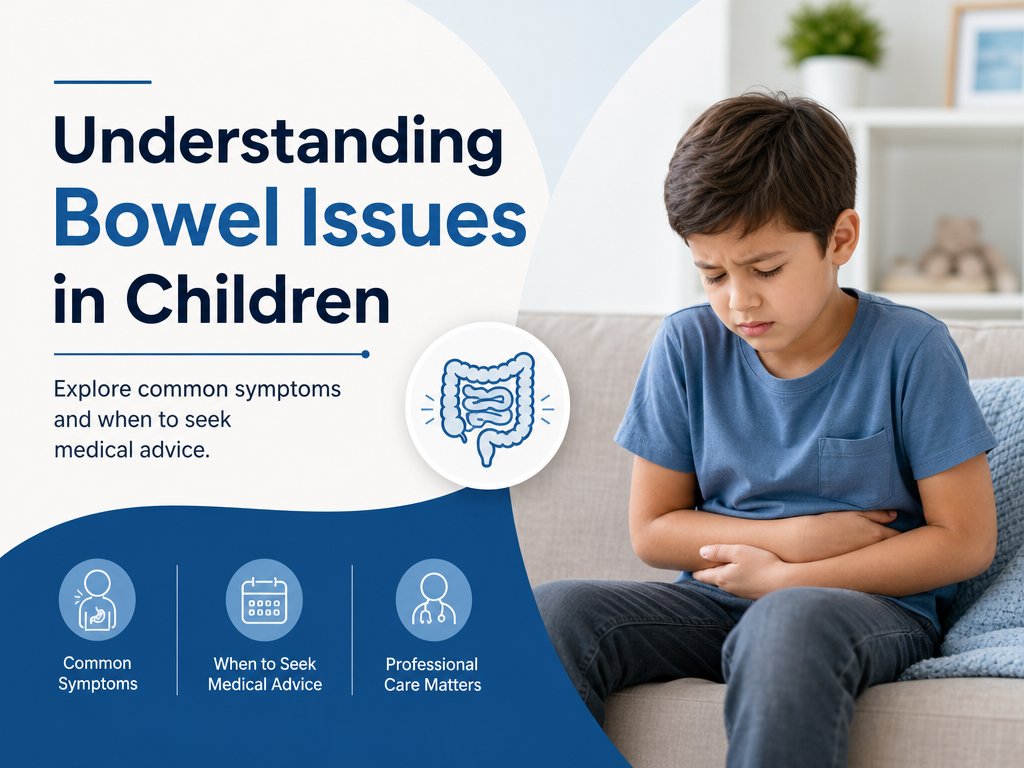
Introduction to Bowel Issues in Children
Keeping your child healthy is a top priority, thus making it essential to recognize any signs of potential bowel problems. While some stomach issues are temporary, others may hint at deeper, underlying concerns. Differentiating between these two is critical for timely intervention and successful treatment. Regular check-ins with your child’s healthcare provider can play a pivotal role in identifying potential issues early on. Encouraging healthy dietary habits and staying informed about common gastrointestinal concerns can empower parents to act swiftly when necessary. Providing children with balanced meals, rich in fiber and essential nutrients, not only supports their digestive health but also contributes to overall well-being and development.
Common Bowel Conditions
Constipation
For a child to be diagnosed with constipation, they must exhibit specific symptoms consistently over a duration of at least two months. These symptoms include infrequent bowel movements, hard stools, and sometimes discomfort during bowel movements. Parents should monitor any long-lasting symptoms closely to ensure that appropriate measures are taken in a timely manner, thus preventing further discomfort or complications. Ensuring that your child maintains a diet rich in fiber and stays adequately hydrated can often alleviate mild constipation concerns. Increasing physical activity can also aid bowel regularity.
Irritable Bowel Syndrome (IBS)
IBS, though uncomfortable and sometimes distressing, doesn’t pose serious health threats. It typically manifests through symptoms such as abdominal pain and changes in bowel habits, such as diarrhea or constipation. It is important to note that IBS does not harm the digestive tract or lead to more severe health issues when managed adequately. Lifestyle changes, including stress management techniques and refined dietary choices, often play a crucial role in mitigating symptoms and improving the overall quality of life for children with IBS. Regular meal schedules and a balanced intake of fiber can help manage IBS symptoms effectively.
Inflammatory Bowel Disease (IBD)
IBD, unlike IBS, can lead to severe complications if left untreated. Conditions like Crohn’s disease and ulcerative colitis cause chronic inflammation in the digestive tract, which can severely affect a child’s overall health. Early diagnosis and ongoing management are vital to reducing complications and ensuring a better quality of life for affected children. Treatment often involves a multidisciplinary approach, including medications to reduce inflammation and, in some cases, surgery to address complications. Nutritional support and specialized diets may also be necessary to ensure proper growth and development in children with IBD.
Hirschsprung’s Disease
This condition impacts the large intestine and often requires careful monitoring and sometimes surgical intervention for effective treatment. Hirschsprung’s disease is a congenital condition that can cause severe constipation and bowel obstruction in children due to missing nerve cells in the muscle layers of the part of the colon. Early diagnosis and intervention can help manage symptoms more effectively and prevent further complications. Surgical procedures to remove the non-functioning segments of the bowel typically result in significant improvement of bowel function. Post-surgical care and follow-up are crucial to ensure continued bowel health in affected children.
Recognizing Symptoms
Parents should remain alert to persistent abdominal pain, unusual bowel patterns, and additional symptoms such as fever, rectal bleeding, or unexpected weight loss. These could indicate a more serious problem requiring medical attention. Early detection is crucial in allowing for appropriate treatment and minimizing any potential complications that could arise from untreated gastrointestinal issues. Understanding normal bowel habits for children, which can vary widely from child to child, helps to quickly spot abnormalities. Educating children on their digestive health and encouraging open communication about any discomfort they experience can facilitate earlier detection and intervention.
Diagnosis and Treatment Options
Diagnosis techniques vary by condition and typically involve physical exams, blood tests, and imaging studies like X-rays or ultrasounds. More advanced methods, such as endoscopy or magnetic resonance imaging (MRI), may also be used for accurate diagnosis of complex conditions. Treatment plans often include dietary modifications, medications, or surgery, depending on the severity of the condition. Constipation, for example, is often managed with home remedies like increased fiber and fluid intake, alongside educating the child on normal bowel habits. In contrast, IBD might require more comprehensive management, which could include immune-suppressing drugs or biologic therapies. For severe conditions such as Hirschsprung’s disease, surgical solutions are often necessary to remove the affected segment of the colon and restore normal bowel function. Continuous follow-up and adjustment of treatment plans may be required to ensure optimal outcomes for each individual child. Close collaboration with healthcare professionals, including dietitians and therapists, can help tailor and refine treatment approaches to suit each child’s needs.
The Importance of Mental Health
Chronic bowel issues can lead to significant mental and emotional stress for children. The discomfort and lifestyle disruptions they experience may impact their social interactions and overall well-being. Providing psychological support and therapy can help children cope better with their conditions, fostering resilience and improving their quality of life. Encouraging open discussions about any fears or anxieties they might have can also be beneficial. It’s essential for caregivers to be attuned to changes in behavior or mood in children dealing with chronic bowel issues, as these mental health challenges can often go unnoticed. Collaborating closely with pediatric mental health professionals provides more comprehensive care and support for these young patients. Motivating children to engage in hobbies and social activities they enjoy can also alleviate stress and promote a more positive outlook on life despite health challenges.
Conclusion
Proactively addressing bowel problems enhances your child’s well-being and helps prevent more severe health issues from developing. Prompt consultation with a pediatrician can significantly improve treatment outcomes and pave the way for a healthier, happier life for your child. Being aware of the potential signs of bowel issues and intervening early is crucial in safeguarding your child’s health and ensuring they receive the care and attention needed for optimal development and growth. Remember, timely and thoughtful intervention is key to managing these conditions effectively and helping your child lead a fulfilling life. Encourage a supportive environment at home and in other settings where your child spends time, as this can greatly enhance their comfort and capacity to manage any medical condition effectively. By fostering an atmosphere of understanding and support, you can help your child navigate the challenges associated with bowel issues with greater resilience and optimism.