Introduction
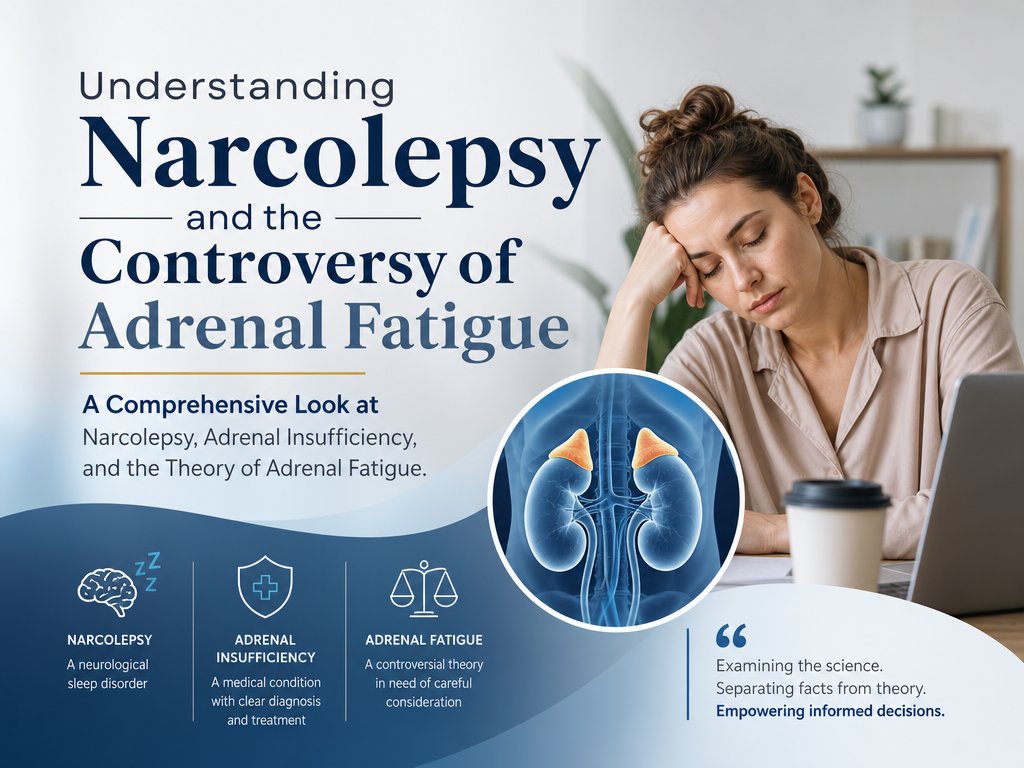
Narcolepsy is a complex neurological disorder that disrupts the normal sleep-wake cycles of the body, characterized primarily by excessive daytime sleepiness, involuntary sleep attacks, and at times sudden episodes of muscle weakness known as cataplexy. This condition is estimated to affect approximately 135,000 to 200,000 individuals in the United States alone, making it a significant concern as it often causes compelling disruptions in daily life, affecting personal and professional endeavors. This pervasive sleep disorder not only impacts an individual’s ability to perform routine tasks efficiently but also creates challenges in maintaining social relationships and productivity at work or school. It often requires lifelong management to minimize its impact on quality of life.
Understanding Adrenal Insufficiency
Adrenal insufficiency is a condition that occurs when the adrenal glands fail to produce adequate amounts of certain hormones, primarily cortisol, leading to symptoms such as chronic fatigue and muscle weakness. Unlike narcolepsy, adrenal insufficiency is a recognized medical condition with various categories linked to hormonal deficits, particularly those affecting the brain’s control over cortisol production. This hormonal imbalance can arise from different causes, including autoimmune disorders, infections, and genetic factors which all contribute to affecting the body’s metabolic processes. These deficiencies can have broader impacts on the body’s ability to manage stress and maintain vital processes, directly interfering with the body’s response to physical stressors and challenging situations, making early diagnosis and management crucial for affected individuals.
Adrenal Fatigue: A Controversial Theory
The concept of “adrenal fatigue” suggests that chronic stress can lead to a reduced function of the adrenal glands, specifically impacting the production of cortisol. However, it should be noted that this condition is not medically recognized within the scientific community. Extensive reviews of numerous studies have consistently failed to validate it as a legitimate health issue. Moreover, the symptoms reported—such as fatigue, body aches, and sleep disturbances—often overlap with those found in other various treatable conditions, leading to potential misdiagnosis if not carefully evaluated by healthcare professionals. This controversial theory has been widely discussed, drawing attention to the importance of evidence-based diagnosis and treatment. Patients experiencing these symptoms are strongly advised to consult with medical professionals to explore and identify real underlying conditions, ensuring that they receive accurate and effective care for their health concerns.
Narcolepsy and Hormonal Implications
In certain narcolepsy cases, there are shared elements of hormone involvement with adrenal insufficiency, notably involving low levels of hypocretin (also known as orexin), a hormone essential for regulating sleep patterns. Emerging research indicates that narcolepsy may potentially impact other hormonal pathways as well, which can complicate both diagnosis and treatment strategies. This is particularly significant in conditions such as hypothyroidism, which are frequently observed in patients with narcolepsy. Understanding these complex hormonal interactions is crucial for establishing accurate diagnosis and effective treatment plans. Additionally, it opens avenues for future research and therapies aimed at managing narcolepsy by targeting these hormone pathways, potentially offering new hope for individuals who struggle with mitigating the disorder’s symptoms.
Comparing Symptoms and Risks
Both adrenal insufficiency and narcolepsy can present with similar symptoms like fatigue and muscle weakness. However, the hallmark symptoms of narcolepsy, including spontaneous sleep attacks and cataplexy, differ significantly from those associated with adrenal insufficiency. While adrenal crises represent a severe medical emergency and risk in adrenal insufficiency, the challenges of narcolepsy primarily lie in its life-altering impact on lifestyle and daily activities, necessitating different management strategies. The unique symptoms of narcolepsy often require individuals to adapt their daily routines significantly, incorporating practices designed to optimize alertness while implementing safety measures to prevent mishaps during unexpected sleep episodes. This stark contrast in symptomatology and risk considerations underscores the importance of tailored approaches in managing each condition, ensuring that specific treatment plans address the core issues effectively.
Diagnosing the Conditions
Accurate diagnosis of these conditions relies heavily on a comprehensive medical history, physical examinations, and specific diagnostic tests. For adrenal insufficiency, stimulation tests are often employed to evaluate the adrenal glands’ ability to produce cortisol. In contrast, narcolepsy diagnosis commonly involves sleep studies to assess sleep patterns and cycles. Diagnostic precision is crucial, as missteps can lead to inappropriate treatments that fail to address the root problems, potentially aggravating patient conditions. While adrenal insufficiency requires hormone replacement therapy, often lifelong, narcolepsy is primarily managed through lifestyle modifications and medications such as stimulants and sodium oxybate, tailored to the individual’s needs and the severity of symptoms. Understanding these distinct diagnostic criteria is vital in avoiding confusion and ensuring that patients receive treatments that directly address and manage their specific condition effectively.
Treatment Approaches
The treatment for adrenal insufficiency focuses on cortisol replacement therapy, with medications like hydrocortisone being commonly used. For patients who also exhibit a deficiency in aldosterone, fludrocortisone may be prescribed to help maintain the balance of sodium and potassium in the body. On the other hand, narcolepsy requires a multi-faceted approach that includes medications to promote wakefulness and regulate sleep attacks, alongside lifestyle changes such as maintaining a regular sleep schedule and controlling nap times to optimize alertness throughout the day. Innovations and advances in treatment strategies for narcolepsy are continually evolving, with ongoing research seeking to develop more effective approaches that improve patient outcomes and enhance quality of life. Personalized treatment plans, which may include behavioral therapies in addition to pharmacological interventions, are essential to adapt to the diverse responses and needs of patients, thereby improving their long-term management of the disorder.
Conclusion
While narcolepsy and adrenal insufficiency share some overlapping symptoms, they necessitate distinctly different diagnostic and treatment approaches due to their unique underlying causes. Recognizing the specific characteristics and complexities of each condition is imperative to providing accurate and effective healthcare solutions. The concept of “adrenal fatigue” has garnered attention over the years, yet it lacks the medical validation required for recognition as a legitimate health condition. Discerning between scientifically unsupported theories and evidence-based medicine remains critical in achieving optimal patient care. Individuals experiencing excessive fatigue or persistent sleep disturbances are encouraged to seek comprehensive medical advice to undergo proper evaluation and develop appropriate management strategies tailored to their specific health needs. Open communication with healthcare providers, ongoing monitoring, and willingness to adapt treatment strategies as needed will contribute significantly to managing these disorders effectively, ensuring that patients experience improvements in their quality of life and maintain their ability to engage in daily activities without significant disruptions.