Introduction
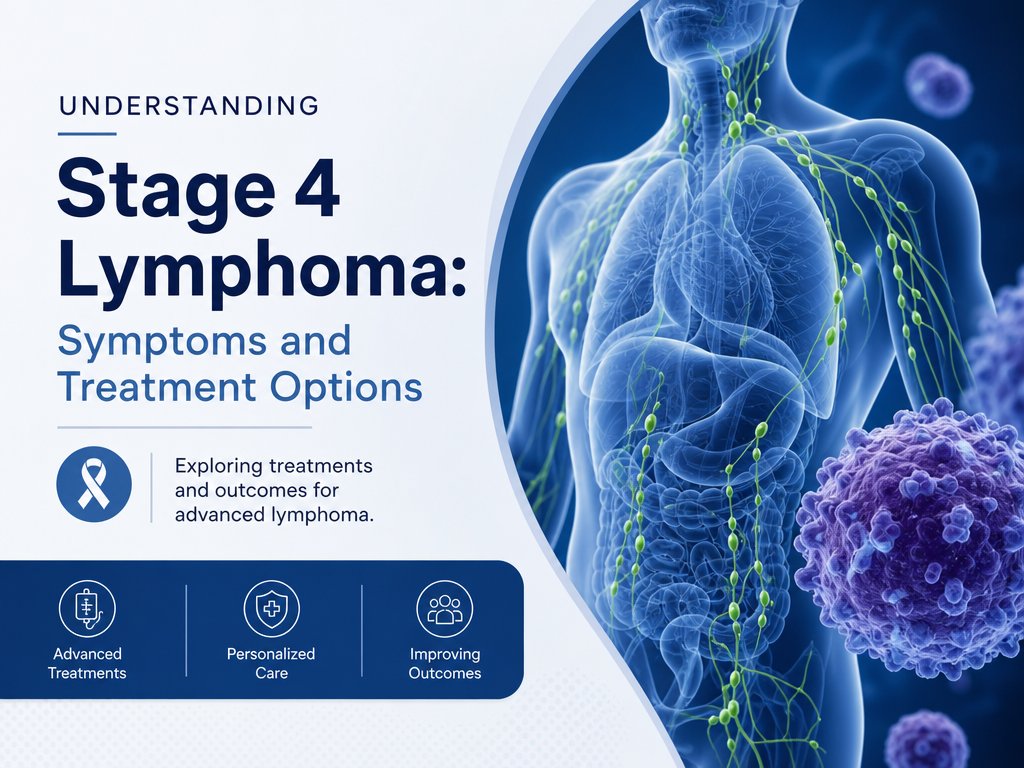
For those diagnosed with stage 4 lymphoma, numerous questions may arise concerning treatment and prognosis. This advanced stage signifies that the cancer has spread beyond the initial lymphatic sites to other parts of the body. While the situation is undeniably challenging, curable forms of lymphoma do exist, and outcomes are significantly influenced by the specific type of lymphoma a patient has, as well as various other factors.
Different Types of Lymphoma
Lymphoma refers to a group of blood-related cancers affecting the lymphatic system. The primary lymphoma types include Hodgkin’s lymphoma and non-Hodgkin’s lymphoma (NHL). Determining the stage is crucial, with stage 4 being the most advanced, involving the spread of cancer beyond initial sites to include various organs.
Hodgkin’s Lymphoma
The American Cancer Society estimated about 8,500 new U.S. cases in 2016. Hodgkin’s lymphoma is generally treatable, especially in its early stages, due to advances in medical treatment and detection. The one-year survival rate for Hodgkin’s lymphoma is approximately 92%, and the five-year survival rate is about 86%. Stage 4, although more severe, can still be overcome. Stage 4 signifies the spread to major organs outside the lymphatic system, such as the liver or lungs, which can impact treatment strategies and outcomes significantly, but remission is still possible with aggressive therapy.
Non-Hodgkin’s Lymphoma (NHL)
Making up 4% of U.S. cancer cases, NHL had an estimated 72,580 diagnoses in 2016. NHL subtypes fall into categories based on the cell type, such as B cell or T cell, and are further classified as aggressive or indolent. Aggressive NHL is fast-developing, with diffuse large B cell lymphoma (DLBCL) being prevalent, affecting about 30% of U.S. NHL patients. Indolent NHL progresses more slowly, with follicular lymphoma being the most common form.
If NHL has spread beyond the lymphatic system to distant organs such as the brain or spinal cord, it is classified as stage 4, indicating extensive disease progression. This signifies a need for a comprehensive treatment approach, but advancements in therapy offer hope and potential for long-term remission.
Symptoms and Treatment
For both Hodgkin’s lymphoma and NHL at stage 4, symptoms depend heavily on the organs involved. Common symptoms may include swollen lymph nodes, fatigue, fever, night sweats, and significant unintended weight loss. Standard treatment for Hodgkin’s lymphoma includes chemotherapy, with specific regimens and combinations varying among patients based on individual needs. If initial treatment is not successful, options like higher doses of drugs or stem cell transplants are possible.
In treating stage 4 DLBCL, chemotherapy regimens such as R-CHOP are typical, combining several drugs over a course of approximately six months. In cases of slow-growing follicular lymphoma, treatments might include rituximab in conjunction with chemotherapy to help manage the disease. It is crucial for patients to discuss treatment plans with their healthcare providers, as personalized treatment can greatly influence outcomes. Innovative treatment approaches, including targeted therapies and immunotherapies, are continually being explored to improve results for patients with challenging cases.
Long-term Outlook
Survival rates depend not only on the type of lymphoma but also on patient health, age, and response to treatment. The ACS notes a 65% five-year survival rate for those with stage 4 Hodgkin’s lymphoma, while NHL rates can vary widely due to subtype differences. It’s important to remember that survival statistics are based on large groups of people and can’t predict precisely what will happen to any individual patient. Each case is unique, and various factors such as advancements in medical treatment can influence personal outcomes.
Living with Stage 4 Lymphoma
Advancements in treatment continue to improve outlooks and provide hope for those diagnosed with stage 4 lymphoma. While a cure may not be guaranteed for everyone, life quality and expectancy can certainly improve with effective treatments that target the disease. New therapies and clinical trials regularly provide hope and opportunities for improvement and remission for those affected.
Support is crucial; local and online resources, including support groups and counseling, can provide the much-needed connection and aid during this time. Patients and families are encouraged to engage with these resources to help manage both the emotional and physical challenges of living with lymphoma. Knowledge, community resources, and professional guidance can empower those living with stage 4 lymphoma to take active roles in their care and well-being.
In addition to medical treatment, maintaining a healthy lifestyle, incorporating balanced nutrition, and engaging in physical activities recommended by healthcare providers can significantly support recovery and improve overall health. Embracing a positive mental approach along with relaxation techniques can also enhance coping strategies during the treatment journey. Practicing mindfulness and stress-reduction techniques can improve mental well-being, creating a more holistic approach to living with and treating stage 4 lymphoma.