Introduction to Delta-8, Delta-9, and Delta-10 THC
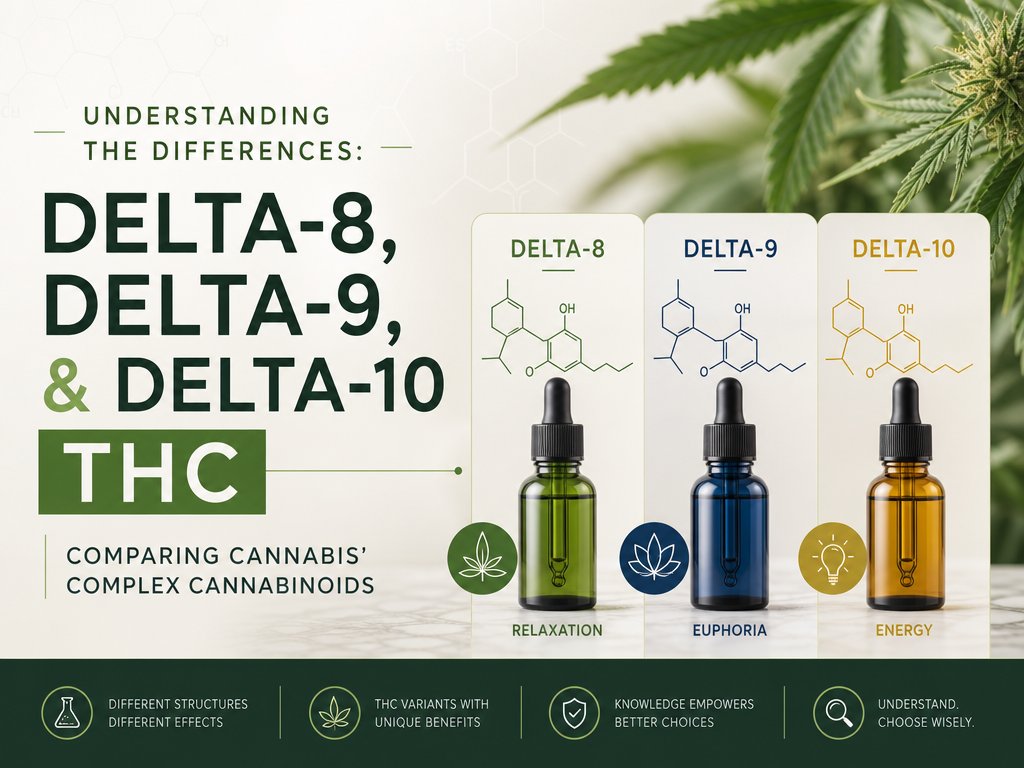
Delta-8, delta-9, and delta-10 THC are distinct chemical variants of tetrahydrocannabinol, a compound most often recognized for its psychoactive effects on humans. Among these, delta-9 is the most prevalent in cannabis plants and is largely responsible for the “high” typically associated with marijuana use. Despite being chemically similar, these cannabinoids exhibit potential differences in their interactions with the human endocannabinoid system, thereby producing varied physical and psychological effects.
The Unique Characteristics of Delta-8 THC
Delta-8 THC, though naturally occurring in the cannabis plant, is usually present only in minute quantities. As a result, it is often produced synthetically by converting CBD or sometimes delta-9 THC through an advanced chemical process. Users commonly report that delta-8 can induce a state of relaxation, alleviate anxiety, and stimulate appetite. However, its comprehensive effects and potential therapeutic benefits are subjects of ongoing research, as scientists work to better understand its interaction with cannabinoid receptors and its overall impact on health and wellness. The mild psychotropic effects, compared to delta-9 THC, appeal to those seeking a balanced experience without extreme side effects.
Medical Use and Studies on Delta-8
Recent research indicates that around 50% of delta-8 users consume it for its purported medical advantages. It is often praised for offering milder psychoactive side effects than delta-9 THC, making it potentially more suitable for those who require symptomatic relief without a strong high. A pivotal study conducted in 2022 highlighted the increasing interest in delta-8, particularly within areas where traditional cannabis use is constrained due to legal restrictions. This study reflects the growing curiosity and need for more extensive clinical trials to explore its efficacy in pain management, anxiety alleviation, and other health-related issues.
Exploring Delta-9 THC
Delta-9 THC is well-regarded as the most potent and common variant of THC, celebrated for its strong intoxicating effects and therapeutic properties. It is widely consumed in various THC-infused products, ranging from edibles to tinctures and beyond. Apart from recreational use, delta-9 THC has been effectively utilized in a medicinal capacity; for instance, the FDA-approved drug dronabinol harnesses the compound to manage chemotherapy-induced nausea and vomiting, aid in appetite stimulation for patients with AIDS, and address other clinical conditions. Its broad acceptance and use in both medical and recreational contexts underline its well-established role in cannabinoid medicine.
Delta-10 THC: An Overview
Delta-10 THC remains much less understood than its more predominant counterparts, delta-8 and delta-9. It is garnering attention as anecdotal evidence suggests it delivers a high that is both invigorating and calming simultaneously. This has sparked intrigue and calls for more formal study and scientific verification. Enthusiasts portray delta-10 as offering a psychoactive experience that is less heavy, potentially making it appealing for daytime use when compared to delta-9. As consumer interest grows, the cannabinoid industry anticipates more thorough investigative studies that can elucidate the compound’s stability, potential benefits, and safety profile. Observations thus far have yet to confirm conclusive effects, making further research necessary.
Regulatory Challenges and Safety Concerns
The regulatory landscape for delta-8 and delta-10 THC presents a series of unresolved challenges. A critical issue is the absence of comprehensive federal oversight, leading to inconsistencies in how products are tested, labeled, and marketed. Without standardized regulations, there are significant difficulties in ensuring product authenticity and safety. Consumers could be at risk due to potential contamination with harmful byproducts from synthetic production processes, mislabeled potencies, and adulteration. These factors underscore the necessity for regulatory bodies to establish clear guidelines to protect users and ensure peace of mind for consumers seeking safe and reliable product choices. Until then, education and transparency will be crucial in navigating these emerging markets responsibly.
Legal Status of Delta-8 and Delta-10
At the federal level, the status of delta-8 and delta-10 remains uncertain under the 2018 Farm Bill, aimed at legalizing hemp-derived products under specific conditions. While this legislation opened doors for products like delta-8 extracted from hemp, the blurry legal wording and interpretation have led to discrepancies across states. Many have enacted their own stricter policies, banning or heavily regulating these cannabinoids. This has created a complex and fragmented legal landscape that challenges producers trying to comply with differing state laws and consumers attempting to understand their rights and limitations in purchasing and using these products. Legal scholars and industry advocates continue to closely monitor developments in this evolving field.
Conclusion
While curiosity and interest in delta-8 and delta-10 THC persist, significant questions regarding their safety and medicinal efficacy remain open. An increase in scientific investigations and clinical trials will be essential to fully elucidate these cannabinoids’ potential benefits and risks, particularly in comparison to the well-documented effects of delta-9 THC. As the exploration of cannabis compounds continues to expand, informed decisions by consumers and coherent regulations by legislators are imperative for a well-balanced approach to harnessing the potential of these unique cannabinoids.