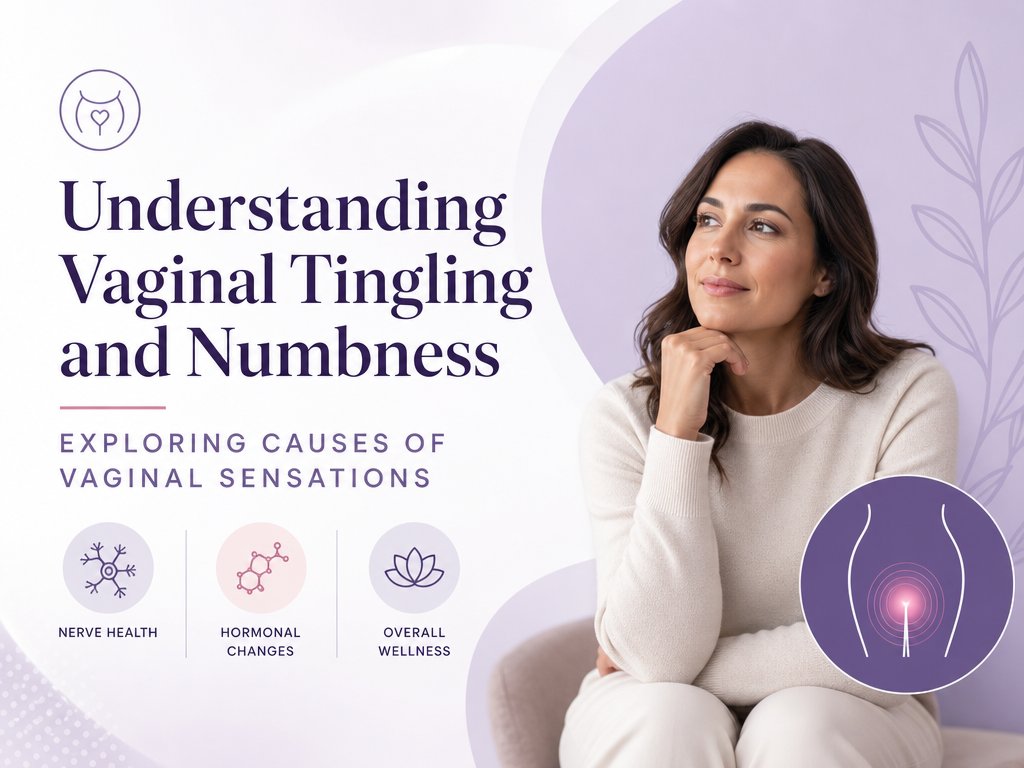
Exploring Vaginal Tingling and Numbness
Experiencing a temporary tingling sensation in the vagina, particularly during or after sexual activity, is often a result of normal arousal. However, this article seeks to understand the wider array of causes for such sensations, exploring when they might indicate something more serious that requires further attention from a medical professional.
Nerve-Related Causes
The sensation of tingling, reminiscent of “pins-and-needles,” is largely nerve-related. Triggered by arousal or extensive sexual activity, these feelings can occasionally lead to numbness in some individuals. Although not deemed entirely “normal,” they are not uncommon, according to Regina Cardaci, a women’s health professional. Typically, post-sex sensations resolve shortly as the body’s systems return to their pre-arousal state, relieving any temporary nerve compression.
These particular nerve-related sensations are generally linked to the temporary engagement of nerves during heightened states of sexual excitement. The adjustments in blood flow and nerve sensitivity are part of the body’s natural arousal mechanisms, which can sometimes lead to intensified sensory perceptions followed by numbness as the body transitions back to its non-aroused state. Additionally, certain predisposing factors can exacerbate these nerve-related sensations. For instance, individuals with pre-existing nerve-related conditions or sensitivities may experience more pronounced tingling or numbness during these episodes.
Impact of Physical Activities
Activities such as prolonged cycling can compress the pudendal nerve, resulting in temporary numbness. This nerve compression from sitting in the same position for extended periods can provoke uncomfortable sensations that usually dissipate when the activity is stopped or mitigated with proper seating adjustments. Similarly, the use of sex toys, especially those on higher settings, might cause temporary desensitization due to intense vibrations stimulating nerve receptors. Sometimes, taking breaks and reducing intensity can help alleviate these feelings.
In the context of physical exertion, it’s important to assess both the duration and the positioning associated with said activities. Adopting ergonomic seating positions and integrating breaks can significantly reduce the strain on involved nerves, thereby preventing tingling and numbness. Furthermore, incorporating regular movement and stretching exercises into daily routines can help improve circulation and reduce the likelihood of nerve compression during extended periods of physical activity.
Hormonal and Psychological Contributions
Hormonal changes, especially during menopause, can alter vaginal sensitivity due to lower estrogen levels. This hormone decrease affects the mucous membranes and can make nerve endings more sensitive to sensations. Stress, often overlooked as a contributor, affects sexual function by introducing mental distractions and raising cortisol levels, consequently reducing genital arousal and changing how stimuli are perceived. Psychological factors, such as body image issues or anxiety regarding sexual performance, may also influence how sensations are experienced, potentially heightening or diminishing feelings of pleasure and satisfaction.
The intricate balance of hormones significantly impacts nerve sensitivity and the overall vaginal experience. Fluctuations in these levels, not just restricted to menopause but also during other transitional life stages such as pregnancy or illness, might alter how sensations are experienced. Other factors, such as thyroid imbalances or certain medications affecting hormone levels, can also contribute to changes in vaginal sensitivity. Managing these physiological and psychological factors through lifestyle adjustments or professional guidance can aid in restoring a sense of normalcy.
Medical and Emotional Factors
The consequences of childbirth, nerve injuries, or previous trauma might cause lasting numbness, as the affected areas may take a significant time to heal, depending on the severity of damage. Vaginal or pelvic surgeries can similarly affect sensation, necessitating a potential adjustment period or therapeutic interventions. Additionally, conditions like diabetes, multiple sclerosis, or even stress-related autoimmune disorders might be involved, complicating the signaling between the body and brain regarding sensation and numbness.
For some individuals, any lingering numbness could hint at underlying neurological conditions necessitating medical evaluation. These evaluations can determine if numbness is due to nerve conduction issues, signaling disorders, or other neuropathic conditions. Moreover, recognizing the interconnections between physical and emotional health is crucial for managing these symptoms effectively. Support from counseling or therapy can help address the emotional impact of these experiences, offering coping strategies and emotional support.
The emotional repercussions of experiencing such symptoms, especially in the context of valued activities like sexual engagement, warrant thoughtful consideration. Addressing emotional and medical aspects is crucial for a holistic approach. Collaborating with healthcare providers to explore both physical and emotional therapeutic options can lead to a more comprehensive treatment strategy, promoting overall well-being and sexual health.
Seeking Professional Guidance
Prolonged or recurrent numbness should be discussed with a healthcare provider. Diagnosis begins with a physical assessment, which might lead to specialized referrals or changes in medication to address the root cause. Providing detailed accounts of accompanying symptoms can aid healthcare providers in diagnosing the issue more effectively. They may suggest undergoing imaging tests or referring to specialists like neurologists or gynecologists for further examination.
In cases of persistent sensations leading to significant discomfort or concern, seeking the expertise of medical professionals ensures access to a range of diagnostic tools. This may involve examinations such as MRIs, ultrasounds, or nerve conduction studies, which can provide deeper insights into the underlying health concerns. Beyond diagnosis, engaging with healthcare providers facilitates the development of a tailored treatment plan designed to address individual needs effectively. Understanding when professional intervention is necessary helps prevent the progression of potentially serious conditions, thereby safeguarding individual health outcomes.
In summary, though often arising from non-threatening origins, persistent vaginal numbness warrants professional insight to ensure comprehensive care and treatment tailored to individual needs, helping restore sexual well-being and overall quality of life. Understanding the diverse factors contributing to such symptoms helps individuals recognize when to seek medical advice and the importance of personal health monitoring to maintain optimal well-being. This knowledge empowers individuals to make informed decisions regarding their health, fostering an environment where proactive health practices and timely interventions can significantly enhance lived experiences and quality of life. Education about these conditions promotes awareness, enabling individuals to better articulate their concerns and symptoms during medical consultations, ultimately aiding in more effective treatment outcomes.