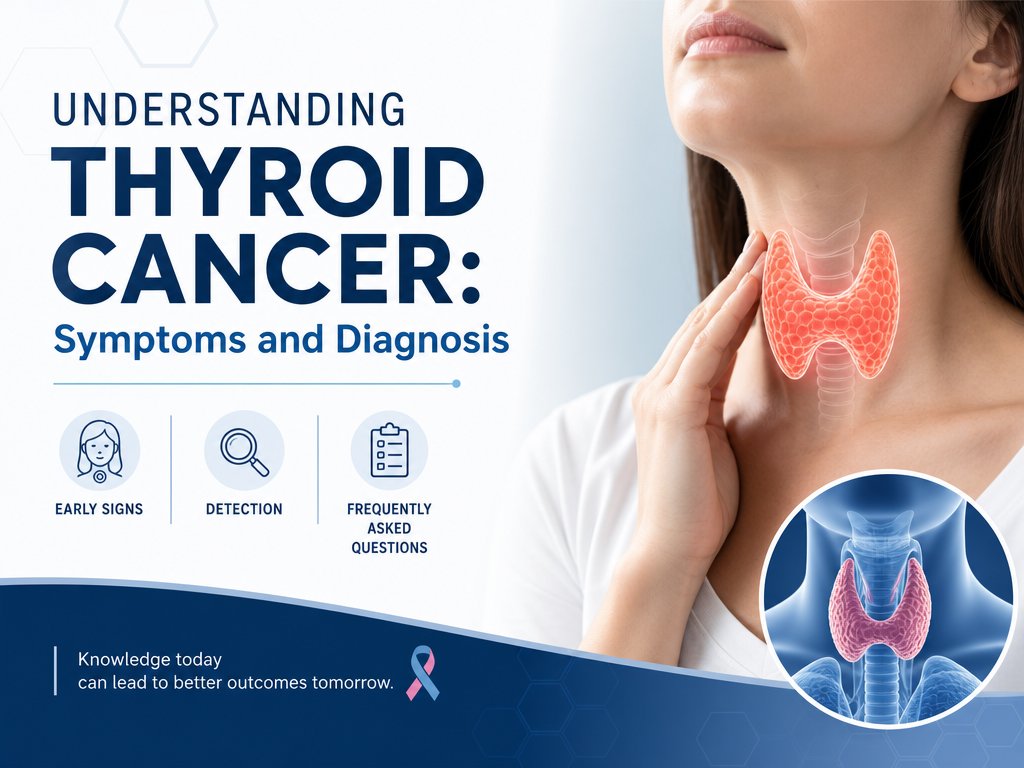
Introduction to Thyroid Cancer
Thyroid cancer is a common health condition characterized by the abnormal growth of cells within the thyroid gland, a butterfly-shaped organ situated at the neck’s base. This gland plays a vital role in producing hormones that regulate key body functions, including metabolism, heart rate, and body temperature. These bodily processes are essential in maintaining overall health and well-being, highlighting the thyroid gland as a crucial component of the endocrine system. Understanding its functions further underscores its importance in our body’s intricate balance of processes.
Prevalence and Risk Factors
According to the American Cancer Society, more than 43,000 new cases of thyroid cancer are projected in the United States in 2023, with over 2,000 anticipated deaths. This type of cancer is observed more frequently in females, a trend that continues to be explored by researchers. While the precise cause of thyroid cancer remains largely uncertain, its development is thought to be linked to a variety of risk factors, including genetic mutations, exposure to radiation, and iodine deficiency. Individuals subjected to radiation treatment during childhood, especially around the head and neck region, may face an augmented risk of developing thyroid cancer.
Identifying Thyroid Cancer
Detecting thyroid cancer can be challenging since its initial symptoms are often understated and can be easily mistaken for other conditions. Early signs might appear as common issues such as throat irritation or minor swelling; however, the presence of neck lumps or swollen lymph nodes usually indicates the necessity for a medical evaluation. Engaging in regular medical check-ups and self-examinations can be instrumental in early detection, ultimately facilitating accurate diagnosis and efficient management of the condition.
Symptoms to Watch For
Thyroid cancer is among the few cancers that can sometimes be easily identifiable by both healthcare professionals and patients. Early indications typically include a painless lump in the neck, noticeable changes in the voice such as hoarseness, and potential breathing difficulties. These symptoms often lead to further investigation by a healthcare provider, as their persistence can signify the presence of thyroid abnormalities, necessitating a comprehensive medical evaluation.
The Progression of Symptoms
In the later stages of thyroid cancer, individuals may experience symptoms such as a persistent sore throat, difficulty swallowing, or neck pain, which usually warrant a prompt consultation with a doctor. These progressive symptoms require a nuanced medical assessment to determine whether they are associated with thyroid cancer or other potential underlying conditions.
When to Seek Medical Attention
It is critical to arrange a medical appointment if you experience any persistent or unusual neck symptoms since early diagnosis substantially enhances the success rate of treating thyroid cancer. Prompt attention to these symptoms can help prevent the progression of the disease, leading to better outcomes for patients through timely and appropriate medical intervention.
FAQs on Thyroid Cancer
- How does thyroid cancer make you feel? Initially, there might be no evident symptoms, potentially leading to delayed diagnosis if early signs are overlooked. As the disease progresses, symptoms like neck lumps, a persistent cough, and changes in the voice may emerge, often highlighting the need for a medical check-up and thorough evaluation.
- How fast does thyroid cancer spread? The spread rate can vary significantly among different types of thyroid cancer; some forms spread slowly over years, allowing for early detection and treatment. Conversely, others, like anaplastic thyroid cancer, may spread rapidly, requiring urgent medical intervention to manage effectively.
- What happens if untreated? Without appropriate treatment, thyroid cancer may extend beyond the thyroid gland, leading to considerable health challenges and potentially compromising vital bodily functions. This unchecked progression can result in significant complications affecting multiple organ systems and overall health.
- Is thyroid cancer fatal? Although fatalities are uncommon, untreated or aggressive forms can pose serious risks to health. Most cases respond positively to prompt medical intervention, greatly reducing mortality rates. Regular monitoring and timely treatment are pivotal in effectively managing the disease and improving patient outcomes.