Introduction to Adderall and Its Uses
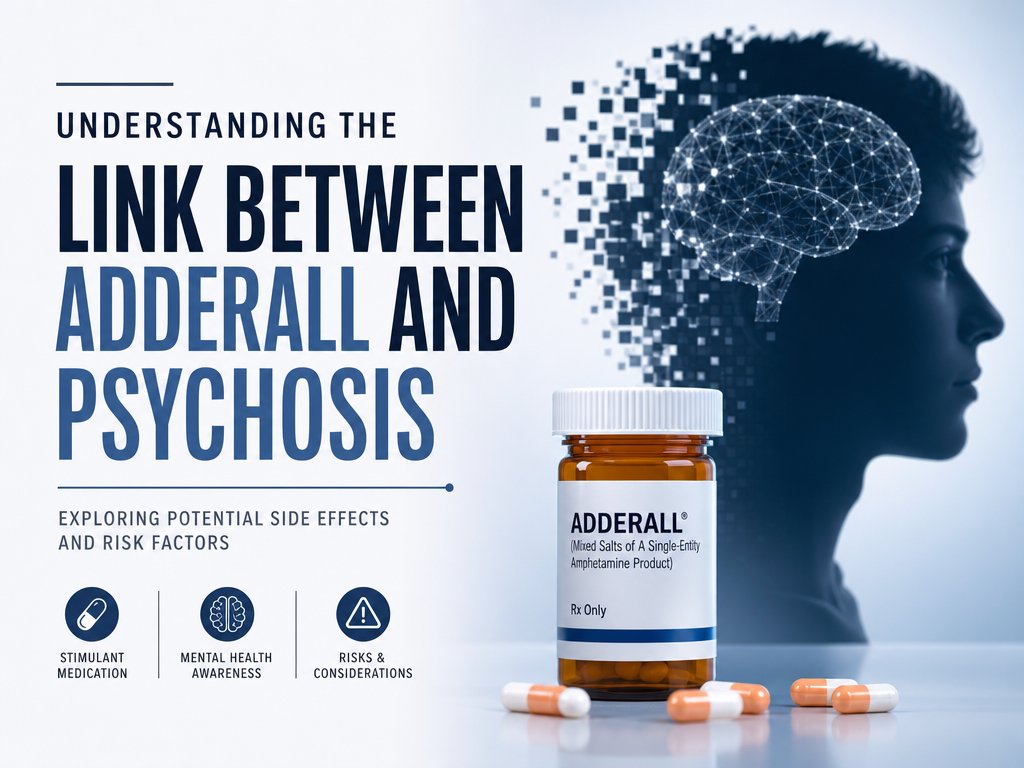
Adderall is a medication commonly used to treat attention deficit hyperactivity disorder (ADHD) and narcolepsy. It is available as both an immediate-release and an extended-release tablet. By increasing the concentration of certain neurotransmitters in the brain, Adderall helps improve focus and concentration while reducing impulsive behaviors. This article explores the connection between Adderall and psychosis, a potential side effect that concerns many patients and healthcare providers.
What is Psychosis?
Psychosis is a serious mental health condition where a person loses touch with reality, experiencing symptoms like hallucinations and delusions. People with psychosis may see or hear things that aren’t there or hold beliefs that aren’t based in reality. This article examines the relationship between Adderall use and the risk of developing psychosis, especially in individuals with pre-existing mental health conditions.
Adderall’s Impact on the Brain
Adderall contains stimulants, namely amphetamine and dextroamphetamine, which enhance alertness and focus, often making it easier for users to complete tasks and organize their activities. These substances work by increasing the levels of dopamine and norepinephrine in the brain. However, in some cases, these stimulants may lead to unwanted side effects, including psychosis. Some studies suggest a small percentage of users might experience such symptoms.
Theories Behind Adderall-Induced Psychosis
Various theories attempt to explain why Adderall might induce psychosis. One suggests that the medication’s side effects, such as insomnia and anxiety, could contribute to psychotic symptoms. Another theory posits that excessive dopamine release, a result of stimulant use, may disturb normal brain function, leading to psychosis. Individuals with a history of mental illness may be more susceptible. Understanding these mechanisms can help in preventing adverse outcomes.
Risk Factors for Psychosis
The likelihood of experiencing psychosis may increase with higher doses of Adderall or through improper usage. Factors such as age, pre-existing mental health issues, and other medications can influence susceptibility. Individuals with a history of mental disorders, those prone to substance abuse, or those with a family history of psychotic disorders should exercise caution and follow their healthcare provider’s instructions closely. Monitoring for early signs of psychosis, like changes in perception or unusual thoughts, is essential for early intervention.
Preventive Measures and Safety Tips
To mitigate the risk of psychosis, it’s crucial to adhere strictly to the prescribed dosage and schedule. Always discuss any changes in mood or behavior with your healthcare provider, especially new or worsening symptoms. Regular consultations with healthcare providers can ensure optimal management of the medication, and they might adjust the dosage based on individual needs and responses to treatment. Moreover, educating patients and their families about the signs of psychosis can lead to quicker response times to any arising issues. Understanding the importance of taking breaks when necessary and having consistent check-ups can also be vital in maintaining mental health. Establishing a comprehensive treatment plan, potentially including therapy, can be beneficial.
Managing Side Effects and Concerns
If psychotic symptoms occur, discontinuation of Adderall may be necessary. Substituting it with another medication while under medical supervision can be considered. Such symptoms typically resolve within a couple of weeks after stopping the medication. It’s essential to consult a healthcare professional to assess and address any prolonged symptoms. Persistent symptoms may require treatment with antipsychotics or other interventions. Navigating side effects requires a thorough understanding of one’s health history and an open dialogue with medical professionals. Family support plays an essential role during this period of adjustment.
Conclusion: Assessing the Benefits and Risks
While Adderall can effectively manage ADHD and narcolepsy, patients should remain informed about potential side effects, including psychosis. The balance between therapeutic benefits and the potential risks needs careful evaluation on an ongoing basis. Open communication with healthcare providers is crucial to ensure safe and effective treatment. Considering alternate therapies or combining pharmacological treatment with behavioral approaches might offer additional benefits and mitigate risks. Building a support network and staying informed can empower patients in managing their conditions.
Additional Concerns About Adderall
Beyond psychosis, long-term use of Adderall might cause other mental health effects such as mood swings or depression. It may also impact cardiovascular health and lead to dependency issues. Patients should regularly consult with their doctors to evaluate the appropriateness of this medication for their individual health needs. Exploring lifestyle changes and non-pharmacological interventions could provide supplementary benefits. Continuous evaluation of treatment effectiveness and side effects will help align therapeutic goals with patient safety and health outcomes. Comprehensive care, encompassing medical, psychological, and social aspects, ensures a holistic approach to managing the challenges faced by individuals using Adderall.