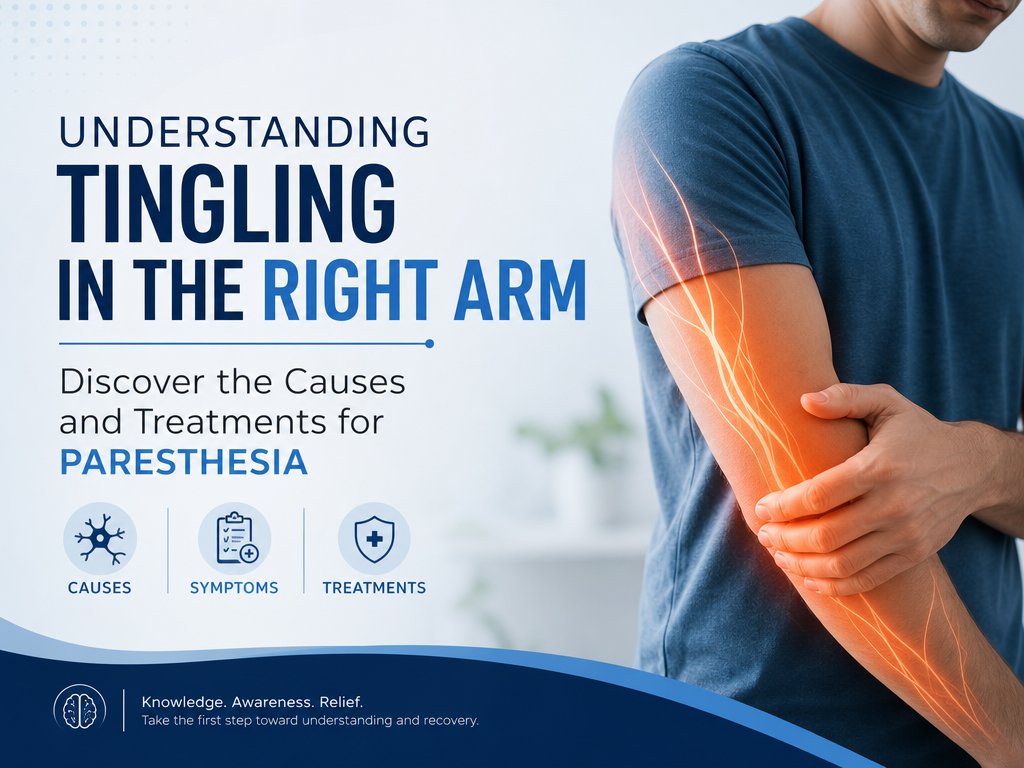
Why Your Right Arm Might Tingle
Experiencing tingling or numbness in your right arm could be indicative of a variety of medical conditions. Such sensations, often referred to as paresthesia, can feel like pins and needles or a crawling sensation on the skin. While these feelings can occur anywhere on the body, they are particularly common in the arms, hands, legs, and feet.
The sensation of tingling in the right arm may be caused by something as simple as pressure on a nerve due to a prolonged position or it might signal an underlying medical condition requiring attention. Here’s a closer look at potential reasons and some related symptoms you might experience.
Carpal Tunnel Syndrome
One prevalent reason for numbness and tingling in the forearm and hand is carpal tunnel syndrome. This condition arises when the median nerve, running through a narrow passage in your wrist known as the carpal tunnel, experiences compression. Causes can include repetitive wrist movements or underlying conditions such as arthritis or hypothyroidism.
Typically, carpal tunnel syndrome is managed with wrist splints, lifestyle adjustments, and, in more severe cases, surgery. Incorporating ergonomic practices in daily activities can also be beneficial in reducing symptoms. Improving workspace ergonomics and taking frequent breaks can help alleviate discomfort.
Effects of Positioning
If you have held your arm in one position for an extended period, such as lying on your back with your hand under your head, you may temporarily experience pins and needles or numbness due to restricted blood flow. This can also occur when sitting cross-legged or leaning on one arm for too long. These sensations generally dissipate after you move your arm and relieve the pressure on the nerves or blood vessels.
Peripheral Neuropathy
This condition involves damage to the peripheral nerves, leading to tingling and possibly burning or stabbing pain. Often starting in the hands or feet, it can extend to the arms and legs over time. Various factors contribute to peripheral neuropathy, including diabetes, vitamin deficiencies, or excessive alcohol consumption.
Treatment usually involves addressing the underlying health issue and might include medications to alleviate neuropathy symptoms along with physical therapy or lifestyle changes to prevent further nerve damage. It is also important to maintain healthy blood sugar levels and avoid alcohol if it’s a contributing factor.
Cervical Radiculopathy
Cervical radiculopathy is commonly known as a “pinched nerve,” resulting from irritation at the point where a neck nerve meets the spinal cord. Although often caused by aging or injury, leading to herniated discs or bone spurs, most cases improve over time. Treatment can include physical therapy and medications, with surgery as a last resort if symptoms persist and affect quality of life.
Vitamin B-12 Deficiency
A deficiency in vitamin B-12 may cause nerve damage, manifesting as numbness and tingling in extremities. Addressing the deficiency typically involves dietary supplements or increased intake of vitamin B-12-rich foods such as meats, dairy products, and fortified cereals. Ensuring adequate B-12 levels is crucial for nerve health and overall well-being.
Other Underlying Conditions
Multiple sclerosis (MS), a complex central nervous system disorder, includes symptoms that may affect your arm. While there’s no cure for MS, managing it focuses on moderating symptoms through stress relief, exercise, medication, and interventions like occupational therapy to maintain functionality.
When to Consult a Doctor
If you endure persistent tingling or numbness in your right arm, it is essential to seek medical advice. Even though it could stem from benign causes like an awkward arm position, it might also signal more severe conditions such as diabetes or carpal tunnel syndrome. Persisting or unexplained symptoms should be evaluated to ensure proper diagnosis and treatment. Consulting with a physician will enable the identification of any underlying issues and the development of an appropriate care plan tailored to your specific needs. Early intervention is key to managing symptoms effectively and maintaining overall health. Having professional guidance ensures that potential complications are addressed promptly and helps improve quality of life while minimizing discomfort caused by tingling or numbness.