Introduction to Folic Acid Deficiency Anemia
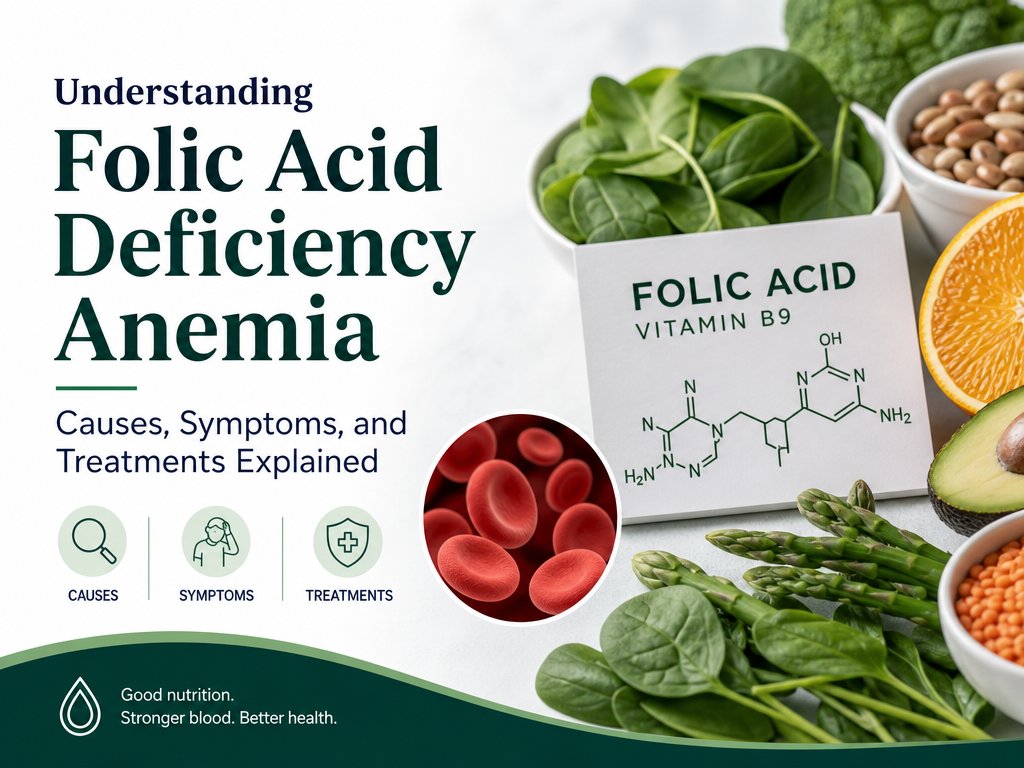
Folic acid deficiency anemia occurs when there is an insufficient amount of folate (vitamin B9) in the blood, resulting in anemia. Folate plays a crucial role in red blood cell production, which is vital for transporting oxygen throughout the body. A deficiency can lead to symptoms such as persistent weakness, noticeable fatigue, and general malaise.
The Impact During Pregnancy
During pregnancy, the risks associated with folic acid deficiency increase significantly. This deficiency can potentially lead to severe birth defects such as spina bifida, a condition that impacts the development and formation of the baby’s spinal column. Proper folic acid levels are vital for fetal development and reducing the risk of neural tube defects.
Management and Prevention
Addressing folic acid deficiency through diet or supplementation is crucial for health maintenance. According to Harvard Medical School, the benefits of adequate folic acid intake include reduced risks of various conditions, such as colon cancer and heart disease. Folic acid supplements are often recommended to correct deficiencies and are sometimes necessary in higher doses for women who are pregnant or planning to become pregnant, ensuring the safety and health of both mother and child.
Symptoms and Causes
The primary symptoms of folic acid deficiency include persistent anemia, which mainly arises from poor nutrition or a diet lacking in essential vitamins. Excessive cooking of food can also diminish folate content. Additionally, heavy bleeding from various causes, such as menstrual cycles or injuries, may contribute to the onset of anemia.
Dietary Considerations
To prevent folic acid deficiency, it is important to incorporate foods rich in folic acid into the diet. These include dark leafy greens, such as spinach and kale, citrus fruits like oranges, and fortified cereals. However, it is important to note that certain conditions and lifestyles can impair folic acid absorption, impacting overall health.
Medical Factors
Several medical conditions, including pregnancy and malabsorption disorders like celiac disease, can impede the effective absorption of folic acid into the bloodstream. Additionally, certain medications may influence the body’s ability to absorb or use folic acid, making supplementation necessary.
Diagnosis and Treatment
Diagnosing folic acid deficiency anemia involves a healthcare provider conducting a complete blood count (CBC) test to confirm the condition. This test examines the red blood cell count and measures folic acid levels, helping to identify deficiencies.
Treatment Approaches
Treatment for folic acid deficiency primarily involves using folic acid supplements to restore adequate levels. In severe cases, medical professionals may recommend intravenous administration of folic acid to ensure rapid recovery. Along with supplements, individuals are advised to make dietary adjustments to include folic acid-rich foods, supporting long-term health and preventing future deficiencies.
Recommended Intake
The recommended daily intake of folic acid is 400 micrograms for most adults. However, specific populations, such as pregnant women, may require increased intake to support fetal development, with the daily intake sometimes adjusted upwards. It’s crucial to monitor intake levels to ensure they do not exceed 1,000 micrograms per day to avoid the risk of overdose.
Post-Treatment Outlook
With timely and appropriate treatment, individuals often recover fully from folic acid deficiency anemia without experiencing any long-term adverse effects. It is advisable for individuals to consult healthcare professionals regarding the use of folic acid supplements and dietary changes to ensure optimal health outcomes and maintain adequate folate levels. Regular monitoring and health check-ups can help prevent recurrence and maintain overall well-being.