Understanding Pink Eye
Pink eye, medically known as conjunctivitis, is characterized by irritation or inflammation causing a pinkish or reddish hue in the eye’s white part. This condition, which is commonly caused by bacterial or viral infections, allergies, or even irritants, often resolves within a couple of weeks. However, understanding when it necessitates urgent medical attention is crucial to ensure appropriate care and prevent any potential complications. Being knowledgeable about the various causes of pink eye and how it affects different age groups can also aid in comprehending the condition more thoroughly. This awareness allows individuals to recognize symptoms early and understand their triggers, which is instrumental in managing the condition effectively.
Deciding on Urgent Care
The decision to visit an urgent care facility often depends on the severity of pink eye symptoms. While these clinics are equipped to handle minor ailments requiring medical treatment, including conjunctivitis, it’s wise to assess the gravity of your symptoms before opting for urgent care. This is particularly important because urgent care centers provide efficient services without the long wait times usually associated with emergency rooms. It’s essential to acknowledge the array of services urgent care centers provide to manage conjunctivitis symptoms effectively and swiftly. They offer a convenient option for those who need timely medical assistance but are not in immediate danger, allowing for quicker recovery through appropriate care.
For non-life-threatening illnesses like pink eye, urgent care centers are preferable alternatives compared to emergency rooms, which prioritize patients with severe or life-threatening conditions. Visiting an urgent care can be particularly helpful outside your primary care physician’s office hours or when experiencing significant pain that needs prompt relief. Understanding the operating hours and services of nearby urgent care facilities can be beneficial for timely intervention. It’s crucial to examine all the available healthcare resources within your locality that can cater to conjunctivitis treatment, ensuring quick and appropriate care whenever needed. This understanding aids in making swift decisions regarding healthcare access, optimizing recovery time and maintaining eye health effectively.
Seeking Advice from Healthcare Providers
If the symptoms are mild or tolerable, an early morning or after-hours call to your doctor’s office can provide convenient care. Many insurance plans offer better coverage for primary care visits than emergency services, so always check your plan’s specifics to avoid unexpected expenses. Knowing your insurance details in advance can save time and ensure seamless treatment without financial stress. In understanding how insurance can impact healthcare access, it’s advisable to familiarize yourself with your plan to make cost-effective decisions. This knowledge empowers individuals to access necessary medical care without unnecessary delays or financial burdens, promoting overall health well-being.
While emergency rooms may still accommodate non-severe cases, the waiting period could be substantial. Thus, accessing care through health apps, telephone lines, or urgent care facilities might be a more practical alternative. These platforms often allow for quick consultations, which can be reassuring in determining whether face-to-face medical intervention is required. Utilizing telehealth services can facilitate immediate consultations and aid in managing symptoms efficiently without the need for physical clinic visits. This approach not only saves time but also ensures that individuals receive guidance and reassurance during potentially stressful times, enhancing peace of mind and overall quality of healthcare.
Home-care and When to Visit a Doctor
Most pink eye cases, especially viral or allergy-induced ones, don’t necessitate immediate medical intervention. Viral conjunctivitis typically clears on its own, while antibiotics prescribed for bacterial conjunctivitis can reduce recovery duration and prevent spreading. Home remedies like warm compresses, lubricating eye drops, and maintaining good hygiene can aid in symptom relief and promote faster recovery. It’s essential to adhere to these home practices diligently to foster healing and prevent spreading the infection within the household. Understanding and implementing appropriate home-care strategies can significantly improve comfort and speed up the healing process, allowing individuals to return to normal activities sooner.
If your child has pink eye, check school policies as many require a medical note before allowing them to return. An urgent care visit would suffice if quick proof is needed. Keeping the school informed ensures adherence to health protocols and avoids further spreading of the infection, supporting the well-being of all students. Understanding local school requirements can aid in providing the necessary documentation swiftly to prevent prolonged absences from school activities. This proactive approach ensures that children resume their educational activities promptly while minimizing the risk of contagion.
Conditions That Meet Urgency
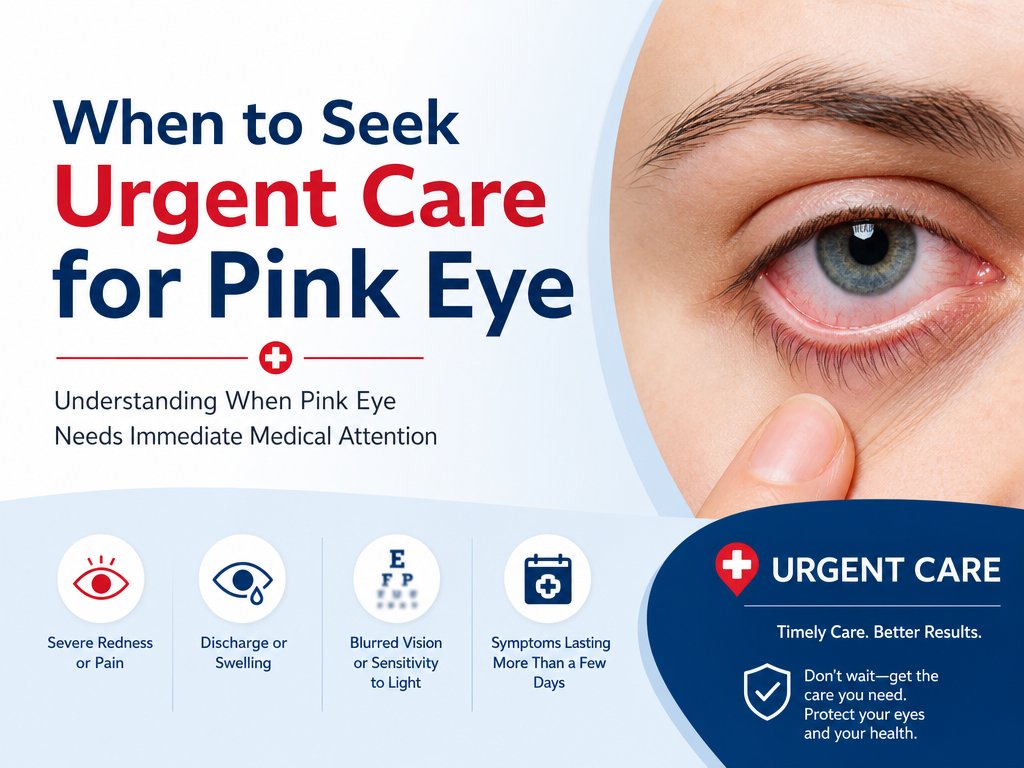
Immediate medical attention is advisable if you experience severe symptoms such as intense pain, vision changes, or discharge, have an underlying immune-compromising condition, or the pink eye persists beyond the expected relief period even with treatment. Prompt action in such situations helps in diagnosing any underlying issues that could complicate or extend the illness. Recognizing these severe symptoms enables faster response and ensures no serious health conditions are improperly addressed due to delayed medical examination. Seeking timely medical attention not only prevents potential complications but also aids in maintaining optimal eye health through appropriate care and intervention.
Conclusion
While pink eye generally resolves by itself, knowing when to seek medical advice ensures efficient management and alleviates unnecessary discomfort or complications. Urgent cares and walk-in clinics offer viable support if primary doctor appointments aren’t feasible. Utilizing these resources effectively contributes to better health outcomes and peace of mind. Always prioritize eye health by seeking professional advice when symptoms are severe or persistent. It’s essential to maintain a proactive approach in dealing with conjunctivitis, ensuring quick and timely healthcare access to manage symptoms effectively and prevent any potential complications. This careful attention to eye health eventually leads to better overall well-being and reduces the risk of future eye-related issues.