Certainly! I’ll expand the article text as requested.
Introduction to HIV Testing
HIV testing has significantly evolved over recent years, and today, there are several quick and straightforward methods available to determine one’s HIV status. These tests have been developed to be more accessible and more efficient, allowing individuals to make informed decisions about their health. However, the reliability and benefits can vary among different tests, impacting early detection and management of the virus.
One noteworthy statistic is that one in seven individuals living with HIV remain unaware of their infection, which can lead to delays in receiving necessary care and treatment. This unawareness can result in the virus progressing unchecked, causing further health complications and increasing the risk of transmission to others. Opting for a fourth-generation test conducted by a laboratory can offer increased reliability and numerous advantages over other testing methods. These tests are crucial in identifying the virus accurately and giving individuals the chance to manage their health proactively.
Advantages of the Fourth-Generation HIV Test
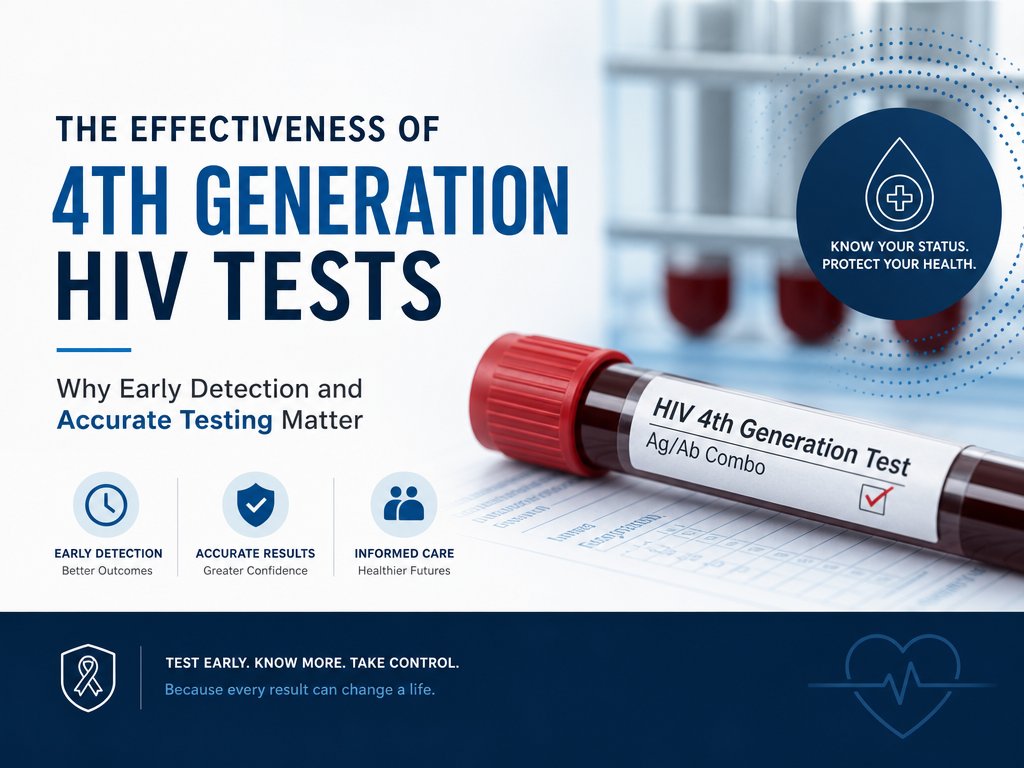
The primary benefit of the fourth-generation HIV test lies in its ability to detect the virus earlier and with greater accuracy compared to older tests. This early detection is crucial as it enables timely treatment and may significantly aid in preventing further transmission of HIV, therefore playing a vital role in public health efforts. Understanding the advantages of these tests helps individuals make informed decisions about their healthcare journey and establish a proactive approach to managing their health.
This test, also known as an enzyme-linked immunosorbent assay (ELISA), is comprehensive and capable of identifying acute HIV, a phase when the virus multiplies rapidly, increasing the risk of transmission if not detected promptly. The ability to detect HIV early can drastically alter one’s health outcome by initiating treatment sooner, potentially reducing complications associated with advanced HIV infection. Early intervention can help maintain a person’s immune system and prevent opportunistic infections, ultimately improving quality of life.
Detection of HIV-specific Antigen and Antibodies
In the initial weeks post-exposure, the body produces an antigen called p24, which is present only in acute HIV infection and crucial for early detection. The fourth-generation test can detect both the p24 antigen and HIV antibodies through a blood sample. This dual detection method allows for a more complete and dependable diagnosis, effectively highlighting early signs even when antibodies are not yet fully developed. It is the presence of both antigen and antibody components that enhances the accuracy and reliability of these tests.
The process requires sending a blood sample to a laboratory, making blood testing the most accurate method available today. The capability to detect compounds specific to early HIV infection enhances the reliability of the fourth-generation tests, providing individuals with definitive information about their HIV status earlier than older testing methodologies. This early clarity can facilitate prompt action for affected individuals and enable healthcare systems to allocate resources effectively. Knowledge obtained from accurate testing plays a vital role in informing treatment plans and preventive strategies.
Comparing Different HIV Tests
Fourth-generation HIV tests identify both antigens and antibodies, offering a notable advantage over older tests, which typically detect only antibodies and often after a longer period. Older tests, like third-generation tests, may not reliably detect HIV until three months post-exposure, thereby delaying treatment significantly for those unaware of their status. This delay could lead to more severe health outcomes and increased risk of unknowingly transmitting the virus to others, underscoring the importance of timely and effective testing methods.
The nucleic acid test (NAT), although not as widely available or used as the fourth-generation test, can identify HIV and measure viral load simultaneously within 10 to 33 days of exposure. NAT is another valuable option, particularly in cases where immediate results and early interventions are necessary. Its utility in highly urgent scenarios underscores the importance of accessibility and informed choice regarding different testing methodologies. While NAT offers quick results, it often requires specialized equipment and trained personnel, making it less accessible than other testing options in some regions.
Understanding Test Accuracy
While fourth-generation tests are highly accurate, no test is infallible. The window period—the time between acquiring the virus and when it can be detected—can result in false negatives if testing is done too early, missing the opportunity for early intervention and leading to a misunderstanding of one’s HIV status. Similarly, false positives can occur due to various factors, including cross-reactive antibodies resulting from other conditions or immune responses that may affect the test results.
Testing during the recommended periods ensures precise results, minimizing the risk of both false negatives and positives. For those who test positive initially, confirmatory testing is essential to corroborate the results and enable the commencement of appropriate treatment plans. Confirmatory testing can involve additional laboratory-based evaluations that delve deeper into viral characteristics to ensure accuracy and aid in comprehensive health planning. It is critical for healthcare providers to explain testing intervals and follow-up procedures to ensure individuals receive comprehensive care.
The Importance of Early Testing and Prevention
The fourth-generation test’s capacity to detect earlier stages of infection makes it superior to rapid and home tests that might not provide the same level of accuracy or early detection capability. This insight into early detection is crucial for early diagnosis and reducing transmission rates, especially in high-prevalence communities where timely treatment can save lives and diminish ongoing infection chains. Community awareness campaigns and accessible testing services play critical roles in increasing early detection and intervention.
Early testing and appropriate prevention measures, such as pre-exposure prophylaxis (PrEP), significantly lower infection risks. By reducing the likelihood of unintentional transmission, these measures help maintain public health and individual well-being. In this way, both individual and community health outcomes are enhanced, contributing to broader public health improvements and more resilient healthcare systems. Education and outreach programs are imperative to ensure people understand the benefits of early testing and prevention strategies.
Conclusion
Routine HIV testing is vital for anyone at risk or who suspects exposure to the virus, offering a pathway to early management and significantly improved health outcomes. Early diagnosis enables immediate treatment, greatly enhancing quality of life and extending life expectancy. New therapies mean people with HIV can live longer, healthier lives with an undetectable viral load, which is a significant improvement in current medical management. Ongoing advancements in treatment and care continue to transform HIV from a life-threatening diagnosis into a manageable condition, presenting opportunities for affected individuals to live fulfilling lives.
For those experiencing potential symptoms of acute HIV infection, consulting a healthcare provider is crucial for prompt testing and treatment. Managing HIV effectively hinges on early detection and intervention, ensuring individuals can access the care they need to maintain their health and contribute to reducing overall HIV transmission rates within the community. Engaging with healthcare providers can also offer guidance on prevention and management strategies, empowering individuals to take active roles in their health journeys. Informed and proactive personal healthcare management is key to navigating the challenges of HIV infection successfully.