Understanding Enamel and Tooth Damage
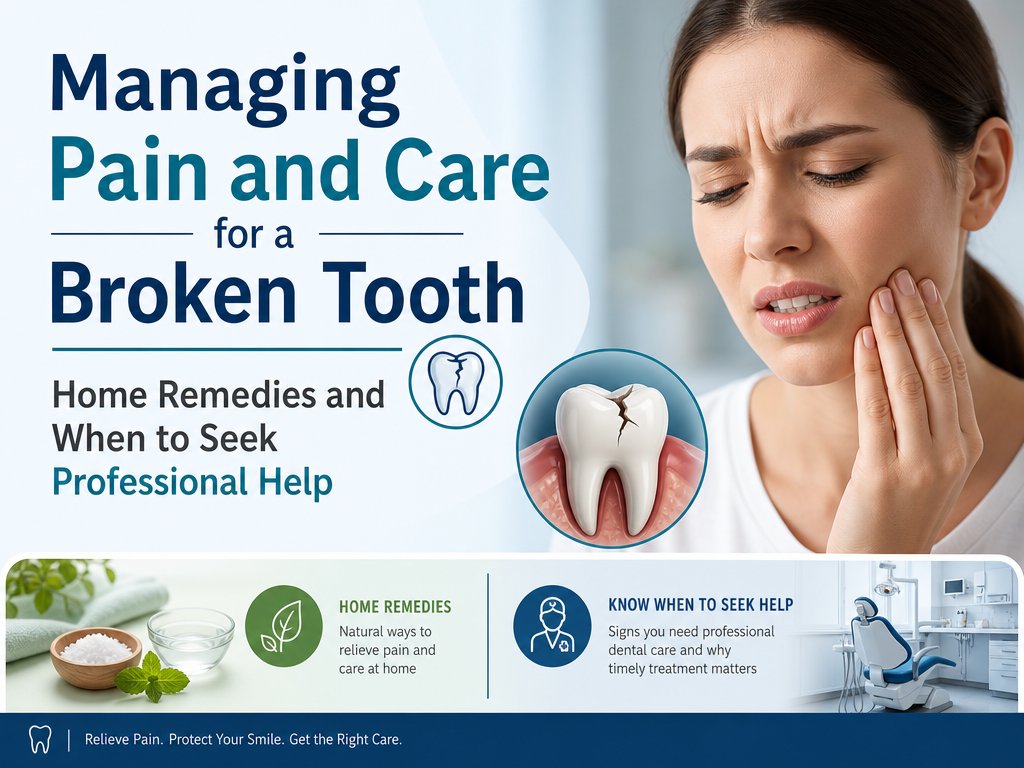
Enamel, the hard outer layer of every tooth, is essential for protecting the sensitive inner parts of your teeth, including blood vessels and nerves. However, cavities, biting hard substances, loose fillings, and accidents during sports can cause enamel to crack or teeth to break, leading to discomfort or pain that can greatly affect your oral health. Proper care and immediate attention to dental issues can help prevent extensive damage and the associated pain that often accompanies compromised enamel integrity. It’s important to remember that once enamel wears away, it cannot regenerate on its own, which makes its preservation crucial in maintaining overall dental health and preventing further complications.
Symptoms of a Broken Tooth
A broken tooth can sometimes be painless or cause intermittent pain. It might be highly sensitive to temperature changes, especially if the inner nerves or dentin are exposed. Sharp edges can also injure your tongue and cheeks, posing additional risks and discomforts that may complicate eating and speaking. Recognizing the signs early on can make a difference in managing symptoms effectively and avoiding complications in the future. Common signs of a broken tooth include visible chips or fractures, discomfort when biting, and sensitivity to sweet foods and drinks, all of which can indicate that immediate care is necessary to prevent further damage and manage any arising complications.
Initial Care for a Broken Tooth
If you’re unable to visit a dentist immediately, there are steps to manage pain at home temporarily. Begin by gently rinsing your mouth after meals using warm water, saline, or a mix of water and hydrogen peroxide to clean the area around the damaged tooth. This practice not only helps in removing food particles that might cause more irritation but also assists in keeping the area clean and less prone to infections. Additionally, maintaining a high standard of oral hygiene can provide a better defense against potential infections that could arise from the exposure of sensitive tooth areas.
Managing Swelling and Bleeding
If swelling occurs, use ice packs wrapped in a towel on the affected area in 15-minute intervals. Applying clean gauze can help control any bleeding near the broken tooth. Avoid forceful swishing, which might increase pain or infection risk. It’s critical to treat these symptoms with care to prevent worsening conditions, especially if the tooth damage has exposed the more sensitive parts of your mouth. Keeping calm and addressing symptoms carefully can help stabilize your condition while waiting to consult with dental care professionals.
Dietary Adjustments
To prevent further discomfort, avoid hard or sticky foods. Opt for soft and nutritious meals, like smoothies or soups, and try chewing with the undamaged side of your mouth. This thoughtful adjustment not only aids in minimizing pain but also helps ensure that you don’t exacerbate the damage or risk further injury to your teeth and gums until you can receive professional dental care. In the longer term, adopting a diet that supports dental health by including enough calcium, phosphorus, and other essential nutrients can foster stronger enamel and improve overall oral wellness.
Pain Relief
Over-the-counter pain medications such as ibuprofen, naproxen, or acetaminophen can help alleviate pain and reduce swelling. Never apply pain medication directly onto the gum to avoid burns, and refrain from using benzocaine products on children under two years. Proper administration of these medications is crucial in managing pain without causing additional harm or side effects, ensuring that relief is both effective and safe for use. Consulting the medication’s dosage instructions or obtaining professional advice is always recommended to prevent any adverse effects when dealing with dental pain or injury.
Temporary Solutions
For sharp edges, consider using temporary repair kits from pharmacies to prevent cuts in your mouth. Brands like Temptooth and DenTek offer useful kits but remember these are short-term solutions. Investing in such products can add an extra layer of protection against further damage and can be particularly beneficial in managing the immediate impacts of a broken tooth while seeking a permanent solution. These kits often include materials that can mimic the function of the enamel temporarily, reducing discomfort and protecting the delicate parts of your teeth until you visit your dentist.
Long-Term Care and Prevention
A dentist should assess and address a broken tooth to prevent further complications. Untreated, such damage can lead to bacterial infections, nerve damage, or necessitate a root canal. Long-term care focuses not only on addressing the immediate damage but also on implementing strategies to enhance overall dental health and resilience against future hazards that might compromise tooth integrity again. Regular dental checkups, maintaining good brushing techniques, and avoiding habits like grinding teeth offer prolonged protection, enabling you to maintain healthy teeth and mitigate the risks of future breaks or damage.
Preventing Future Damage
Individuals are advised to use scissors instead of teeth to open packages and wear mouthguards during sports to prevent breakages. Maintaining oral hygiene with gentle rinses and avoiding vigorous chewing are crucial until professional assistance is available. Educating oneself about simple daily habits can be a game changer in conserving the health of your enamel and preventing undue stress on your teeth. Consistently applying these protective habits can substantially lower the risk of teeth damage, thereby supporting overall oral health and reducing potential costs related to dental repairs.
Seeking Professional Help
Arrange a dental checkup promptly, and if the office is closed, use an after-hours service or visit urgent care if you experience severe pain. The severity of tooth damage dictates the treatment plan, which can range from a simple filling to more intensive procedures like crowns or root canals. Ensuring timely and appropriate professional intervention can help mitigate risks and foster quick recovery, ultimately leading to better long-term dental health outcomes. Additionally, staying informed about dental health advancements or treatment options can empower you in making informed decisions about your oral care.
Conclusion
While home remedies can temporarily ease discomfort, professional dental care is essential for treating broken teeth effectively and preventing further damage. Understanding both immediate and enduring strategies for managing dental emergencies ensures that you are well-equipped to handle such situations effectively while minimizing potential risks and side effects associated with improper treatment attempts. Seeking professional guidance not only guarantees that the specific dental issues are addressed precisely but also cultivates lasting protection and health for your teeth. Consistent dental care, reinforced by continuous learning and adapting better habits, promises a lifetime of healthy smiles, highlighting the critical relationship between preventive measures and outcomes in dental health.