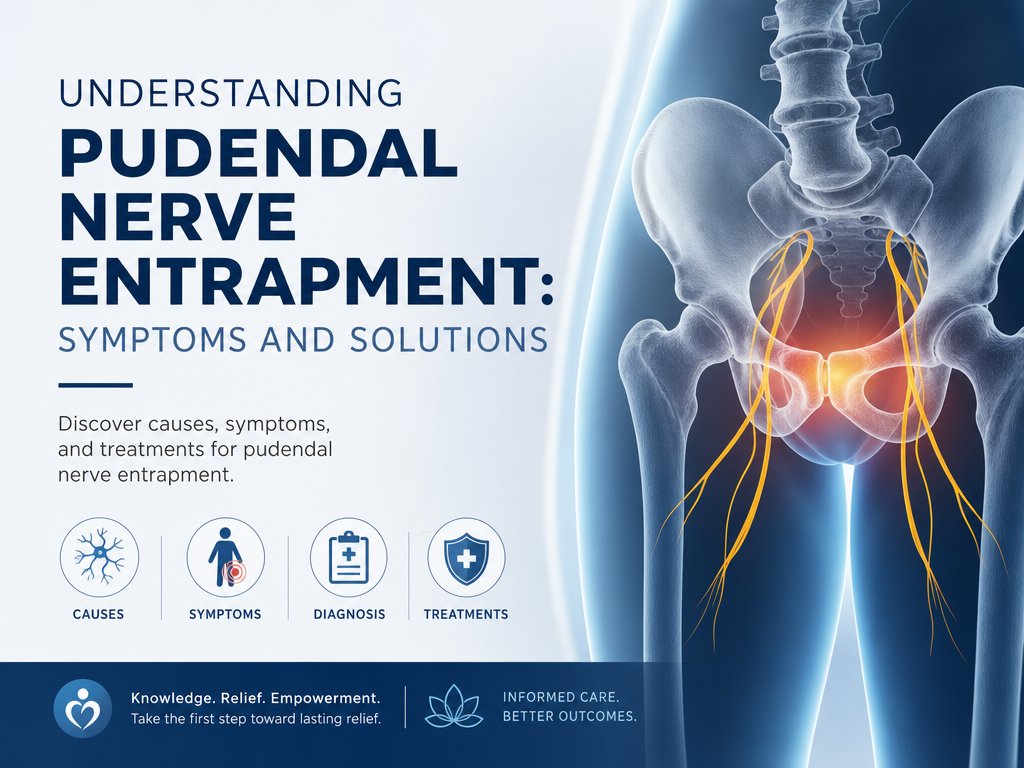
Introduction to Pudendal Nerve Entrapment
Pudendal nerve entrapment is a medical condition characterized by the compression of the pudendal nerve, leading to chronic pelvic pain. This nerve is crucial as it transmits signals from the genital and anal regions to the spinal cord. When compressed, it can result in a significant amount of discomfort and pain, which can be challenging for those affected.
Symptoms and Causes
Common symptoms experienced by individuals with pudendal nerve entrapment include painful bowel movements and groin pain. Often, individuals describe these sensations as shooting, stabbing, or burning pain. The nerve has several branches that reach key areas within the pelvic region, which can exacerbate the discomfort when they become compressed or irritated. Notably, activities such as sitting for long periods or certain movements can aggravate the symptoms, leading to increased levels of pain and discomfort.
Seeking Medical Advice
If you find yourself experiencing symptoms that may suggest pudendal nerve entrapment, it is crucial to seek medical advice and consult with a healthcare professional. The initial assessment typically involves a thorough discussion regarding your lifestyle and medical history, along with a detailed physical examination. Depending on your specific symptoms and the pattern of pain you’re experiencing, additional tests, such as imaging studies like MRI or nerve conduction studies, may be recommended by your doctor to better assess the situation and rule out other causes.
Treatment Options
The chosen treatment strategy largely depends on how severe the condition is and may involve several approaches. Here are some medical interventions and practices that might be suggested:
- Local anesthetic or corticosteroid injections can help to manage pain in the short term, serving to temporarily block nerve signals and reduce inflammation in the affected area.
- Doctors may prescribe medications tailored to alleviating discomfort and pain associated with nerve compression.
- In some cases, decompression surgery might be a viable option to relieve nerve pressure caused by tumors, scar tissue, or other types of tissue damage.
- Pelvic floor physical therapy is another non-invasive treatment approach, focusing on stretching and strengthening exercises, which can help relieve symptoms by reducing muscle spasms and enhancing pelvic stability.
Additionally, exercise is often recommended as part of the treatment plan, as it can help strengthen the pelvic muscles, increase flexibility, and prevent further strain, contributing to overall pain relief and enhanced physical health. Lifestyle modifications, including taking frequent breaks to stand or walk during prolonged sitting sessions, can also be important for managing symptoms effectively.
Prognosis and Management
With the appropriate treatment, people experiencing pudendal nerve entrapment usually do not face long-term complications associated with the condition. While it may present a challenge to treat effectively, approximately 80% of affected individuals experience temporary relief from nerve blocks, and a significant number report a notable improvement in their symptoms following surgical intervention. It is crucial to follow up with healthcare providers regularly to monitor the condition and adjust treatment plans as necessary.
In conclusion, while pudendal nerve entrapment can be a source of considerable pain and discomfort, successful management of the symptoms can lead to considerable improvements in the quality of life of those affected. This allows individuals to continue their daily activities with minimal disruption and discomfort, contributing to a healthier and more fulfilling life overall. Patients are encouraged to stay informed and engaged with their treatment to ensure the best possible outcomes.