Introduction to Fourth-Degree Burns
When people think of burns, third-degree burns often come to mind as some of the most severe. However, burn injuries actually extend beyond this classification to include the less commonly discussed fourth-degree burns. These burns are extremely serious, and understanding them is crucial for effective treatment and prevention efforts, as they demand immediate and specialized medical intervention to prevent life-threatening complications.
Characteristics of Fourth-Degree Burns
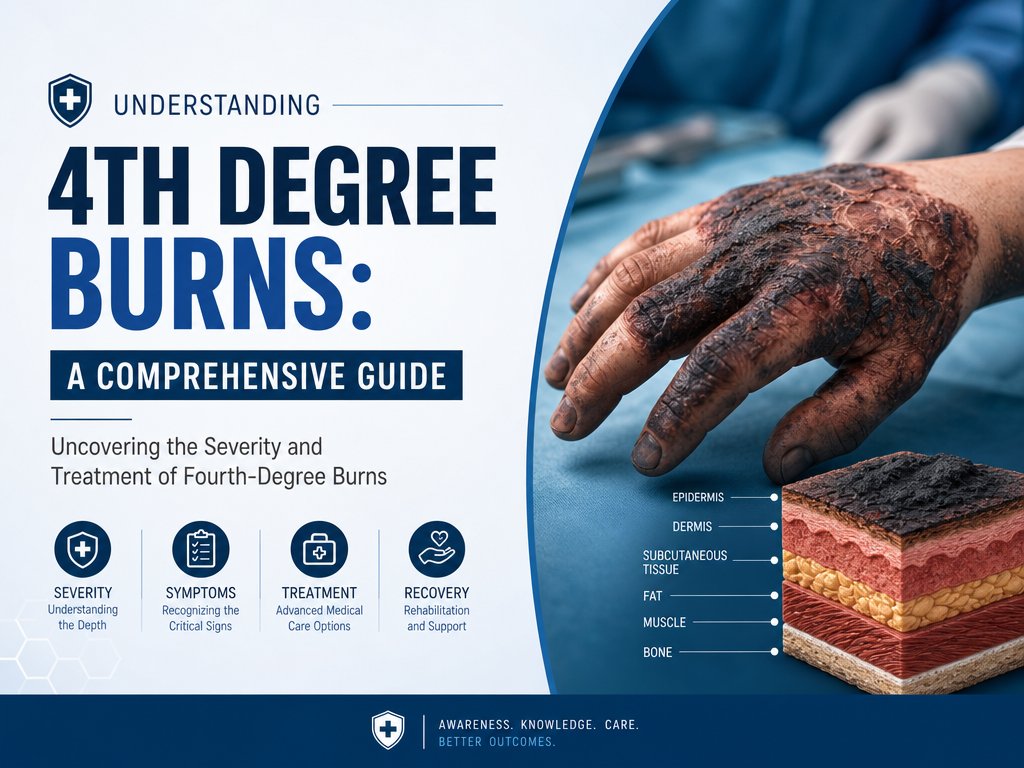
Fourth-degree burns are defined by the extensive damage they cause to both the skin and underlying tissues. Unlike third-degree burns that affect deep skin layers, including fatty tissues, fourth-degree burns penetrate further, impacting muscles, tendons, and even nerves. They can result from prolonged exposure to flames, electricity, chemicals, or scalding liquids, as well as contact with hot metals or radiation sources.
A distinctive feature of fourth-degree burns is their appearance—affected areas may appear charred or white, with exposed muscles or bones visible. Despite their severity, these burns often do not cause pain due to the complete destruction of nerve endings in the affected area. This lack of pain, paradoxically, makes these burns particularly insidious, as victims might underestimate the injury’s severity, potentially leading to delayed treatment and increased risks of severe complications.
Causes and Risks
Fourth-degree burns are primarily caused by intense heat contact, electricity, or chemical exposure. Industrial accidents, residential fires, or chemical spills are common scenarios that can lead to such extreme injuries. Due to their complexity, fourth-degree burns carry significant health risks. The absence of immediate pain signals can dangerously disguise the true severity of the injury, delaying the urgency of seeking medical help, which is crucial for the victim’s prognosis and survival.
Medical Emergency Response
If a fourth-degree burn is suspected, it is treated as a medical emergency. Prompt action is essential—immediately dial 911 or local emergency services. While awaiting medical professionals, ensure the burned person is away from the source of harm, such as flames or hazardous chemicals. Rapid intervention reduces the risk of complications such as shock, kidney failure, and organ damage, and it aids in stabilizing the patient for better recovery outcomes and increases the chances of a more favorable prognosis.
Treatment Approaches
Upon reaching the hospital, burn specialists initiate treatment by cleansing the wound and removing necrotic tissues to prevent infection. Treatment varies with the extent of muscle, bone, and nerve involvement. Measures often include complex skin grafts or cosmetic reconstruction surgeries, and extensive rehabilitation therapies are crucial for recovery. Psychological support is also an integral part of the healing process, helping patients cope with the trauma and changes in physical appearance. The holistic treatment approaches aim to restore as much function and quality of life as possible.
Complications and Prognosis
Beyond the immediate concern of infection, the body’s response to large burns is complicated by severe inflammatory reactions affecting major organs, such as the heart and liver. Prolonged lack of treatment increases risks like circulatory failure, and in extreme cases, necessitates possible amputations to prevent further systemic complications. The prognosis for fourth-degree burns largely depends on factors such as the size and location of the burn, the patient’s age, overall health, and promptness of medical treatment. Early and aggressive treatment is essential to improve outcomes.
Advancements in Burn Treatments
Modern medical advancements, including improved surgical techniques and regenerative medicine, have significantly improved burn treatment outcomes. According to the National Institute of General Medical Sciences, survival is possible even in severe cases affecting 90% of the body surface, although some lasting damage is likely. New technologies, such as skin substitutes and bioengineered tissues, provide promising advancements in the field of burn care, offering new hope and solutions for comprehensive reconstruction and healing.
Conclusion
Fourth-degree burns represent a critical health emergency that demands swift and specialized medical care. Despite their severity, hope lies in modern medical interventions to aid recovery and improve the quality of life for those affected. Knowledge and awareness can empower individuals to seek immediate care and thus potentially mitigate the long-term effects of such significant injuries. Proper education about fire safety, preventive measures, and exposure prevention, along with prompt responses, are key to reducing the incidence and impact of these severe burns, ultimately safeguarding lives and preventing tragedies.