Introduction to Rystiggo
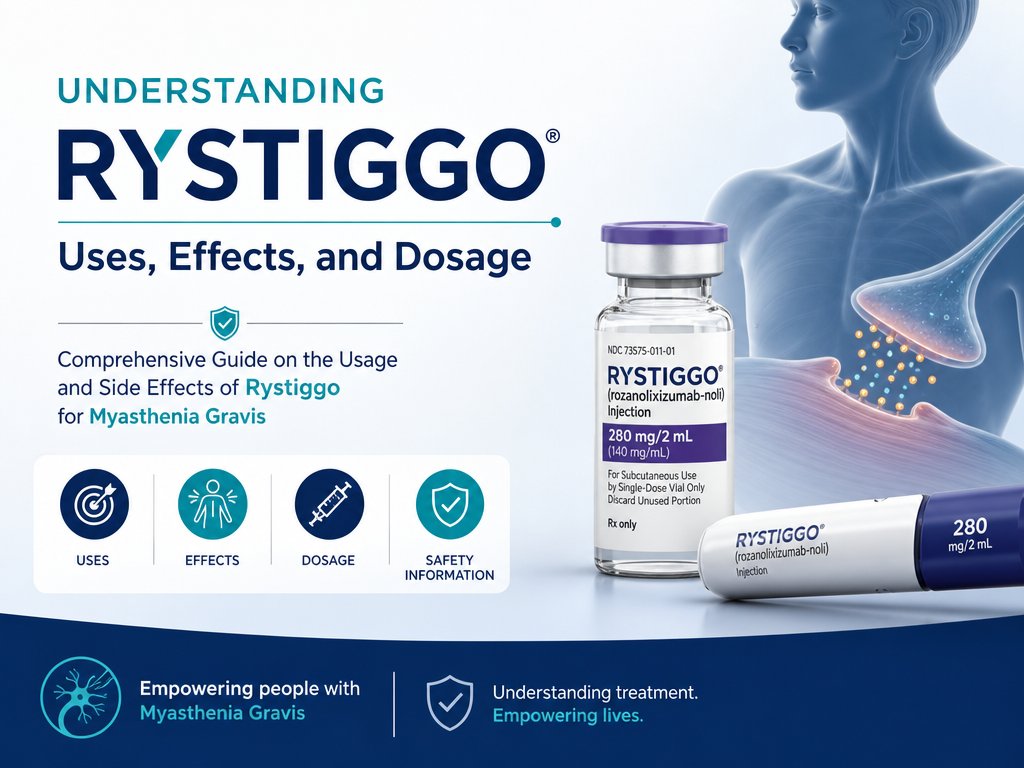
Rystiggo is a prescription medication specifically designed for adults suffering from generalized myasthenia gravis, a chronic autoimmune neuromuscular disorder. This condition is characterized by muscle weakness that occurs due to the presence of specific antibodies that disrupt communication between nerves and muscles, ultimately leading to weakness. Patients experiencing this disorder may find that everyday activities, such as walking, talking, and even breathing, become challenging, and managing the symptoms effectively becomes crucial for maintaining quality of life.
Active Component and Usage
The drug features rozanolixizumab-noli as its active ingredient. Unlike biosimilars, which often follow generics in the market, this medication is a biologic, meaning it is derived from living organisms. Biologics can offer targeted treatment options, and Rystiggo is available only as a brand-name drug with specific distribution and administration methods to protect its integrity and efficacy. The pharmaceutical development and rigorous testing ensure that the treatment is well-suited to address the nuanced needs of patients with this specific neuromuscular disorder. Biologics are known for their precision in targeting disease mechanisms, and Rystiggo exemplifies this by offering a treatment option that is meticulously aligned with the needs of those affected by generalized myasthenia gravis.
Functionality
Rystiggo works by targeting a specific protein that affects how nerves and muscles interact. By modulating this interaction, the medication helps alleviate the symptoms associated with this neuromuscular disorder, making it easier for patients to manage their daily activities with reduced symptoms of muscle weakness. This targeted approach is essential, as it helps improve communication between nerves and muscles, leading to better overall function and muscle control in patients. Effective management of such symptoms can significantly impact a patient’s ability to engage in daily activities, improving their overall quality of life.
Potential Side Effects
While many users can tolerate Rystiggo well, it might cause side effects. These can range from mild reactions like minor rashes or discomfort to more serious ones, which would require immediate medical attention. Understanding these side effects is important for patients so they can recognize when to seek medical help and ensure their treatment experience is as smooth as possible. Knowing what side effects to expect can empower patients to manage their condition proactively.
Mild and Severe Reactions
Mild effects might include temporary discomforts such as headaches, fatigue, or nausea that generally subside over time as the body adjusts to the medication. Such minor side effects can be typical with many treatments and often do not require intervention. However, on the occurrence of serious reactions, such as symptoms of a severe allergic reaction, it is critical to seek urgent medical care. Signs may include swelling of the face or throat, difficulty breathing, or a severe rash. Should these symptoms arise, contacting healthcare professionals promptly is of utmost importance, as these may indicate a severe response that needs immediate attention. Educating patients about these potential severe reactions can help ensure that they receive timely care and reduce any risks associated with the treatment.
Precautionary Measures
Before starting Rystiggo, it is crucial for patients to have an in-depth discussion with their doctor about all current medications and possible health conditions. This is essential for avoiding any potential interactions, particularly with live vaccines and certain other drugs. Informed discussions about health history, allergies, and current medications can help customize the treatment plan effectively. Patients should inform their healthcare provider of any other medical conditions they may have, such as infections, autoimmune conditions, or complications affecting other organs, to ensure the safe administration of Rystiggo. Awareness and cooperation with healthcare teams significantly enhance the treatment process, ensuring patient safety. Such proactive discussions enhance trust and ensure that both patients and healthcare providers are aligned in achieving optimum health outcomes.
Dosage and Administration
Rystiggo is typically administered as a subcutaneous infusion. The dosage is weight-based and determined by a healthcare provider following a thorough evaluation. Standard treatment cycles involve six weekly infusions, giving a structured approach to therapy that corresponds with the patient’s condition and response to treatment. This schedule is an integral part of the treatment plan and helps monitor effectiveness while adjusting dosages if necessary. Ensuring that dosage intervals and treatment cycles are meticulously followed can be crucial for the drug’s efficacy and the overall success of the treatment plan.
Alternatives and Comparisons
For those exploring other treatment options, efgartigimod alfa-fcab (brand name Vyvgart) offers a similar mechanism of action but differs in its method of administration and cycle duration. Vyvgart may be administered intravenously, offering an alternative for patients based on medical advice and personal preference. Understanding that each patient’s condition can vary, having alternative treatments can be beneficial to find the method that best fits the patient’s lifestyle and medical needs. Such knowledge enables patients and healthcare providers to make informed choices about treatment options that align best with individual circumstances.
Choosing the Right Treatment
Determining the most suitable treatment is a decision that should involve a comprehensive discussion with a doctor. Healthcare professionals can provide insights into whether Rystiggo or an alternative treatment option, such as Vyvgart, aligns better with individual medical needs, lifestyle, and overall treatment goals. Factors such as medical history, potential side effects, and patient preferences are all critical elements of tailoring the best therapeutic strategy. Open dialogue and shared decision-making are key components in selecting a treatment plan that not only aims to control symptoms effectively but also aligns with the patient’s life goals and expectations.
Conclusion
Rystiggo offers a promising treatment avenue for those diagnosed with myasthenia gravis, and it can significantly benefit patients who adhere to prescribed guidelines. Monitoring of progress and symptoms is essential to ensure the treatment’s effectiveness over time. Maintaining an open line of communication with healthcare providers is crucial to effectively monitor the condition and adjust treatments as necessary. Through collaboration and careful management, the impact of myasthenia gravis on daily functioning can be minimized. Ensuring that the approach to treatment is dynamic and responsive to changes in the patient’s condition is integral to maintaining quality care.
This article aims to provide an overview of Rystiggo and its role in managing myasthenia gravis, but it should never replace professional medical advice. Consult with healthcare practitioners regarding any health-related decisions to ensure the best possible outcomes based on individual health circumstances. This approach ensures that patients receive personalized care tailored to their specific needs and conditions. Personalized care not only addresses the physical aspects of myasthenia gravis but also supports patients in achieving a higher standard of living through informed, individualized treatment planning.