Understanding Narcolepsy as a Sleep Disorder
Narcolepsy is a neurological sleep disorder characterized by extreme daytime sleepiness that persists despite seemingly adequate nighttime sleep. If you find yourself unexpectedly drowsy during the day and unable to stay awake, narcolepsy might be a potential cause. This condition affects the brain’s control over the sleep-wake cycle, resulting in what many term as sleep “attacks.” Such sudden bouts of sleepiness can significantly disrupt daily activities, potentially impairing one’s ability to carry out tasks efficiently and effectively.
Recognizing the Symptoms
The primary symptoms include excessive daytime sleepiness and, in some cases, a sudden loss of muscle control called cataplexy. However, not all individuals with narcolepsy experience cataplexy, which adds complexity to the diagnostic process. Additional symptoms may include sleep paralysis, characterized by temporary inability to move or speak when falling asleep or waking up, alongside vivid hallucinations. These manifestations can lead to misunderstandings regarding the disorder’s impact on mental health and daily functioning, making professional evaluation critical for persistent symptoms.
Diagnosis Guidelines in the U.S.
In the United States, guidelines for diagnosing narcolepsy are detailed in both the DSM-5-TR and the ICSD-3. Mental health professionals often rely on the DSM-5-TR, whereas sleep specialists might refer to the ICSD-3. These guidelines offer a structured framework for identifying symptoms and narcolepsy subtypes, essential for accurate diagnosis and effective treatment.
Path to Diagnosis
Diagnosis often begins with a general practitioner or mental health expert evaluating your symptoms and medical history. Under the DSM-5-TR, narcolepsy is categorized by symptom severity and subtype, with Type 1 and Type 2 being the most prevalent. Type 1 narcolepsy includes both excessive daytime sleepiness and cataplexy, while Type 2 lacks cataplexy but still involves significant daytime sleepiness.
Consulting a Sleep Specialist
If initial consultations hint at narcolepsy, your doctor may refer you to a sleep specialist. The ICSD-3 aids in achieving more precise diagnoses. Typically, Type 1 narcolepsy involves cataplexy, whereas Type 2 does not. The diagnosis process involves excluding other conditions that might present similar symptoms, such as sleep apnea or various neurological disorders. This might require several tests and evaluations to ensure precision in diagnosis, further underscoring the necessity for specialized medical attention.
Prevalence and Challenges
Narcolepsy affects individuals across genders equally. It is relatively rare, with estimates suggesting it affects between 135,000 to 200,000 people in the U.S. Symptoms usually emerge between ages 7 and 25, a crucial period for personal, educational, and social development. Delays in diagnosis are common due to symptoms mimicking other conditions and limited awareness among healthcare providers and the general public.
Seeking Medical Advice
Misconceptions about narcolepsy can lead to delays in diagnosis. Individuals may not link their symptoms with narcolepsy due to stereotypes, such as the belief that people with narcolepsy always fall asleep abruptly without warning. This misconception may prompt individuals to overlook symptoms indicative of narcolepsy, hence delaying diagnosis and treatment. Raising awareness and education thus become critical for timely and precise diagnosis.
Diagnostic Procedures
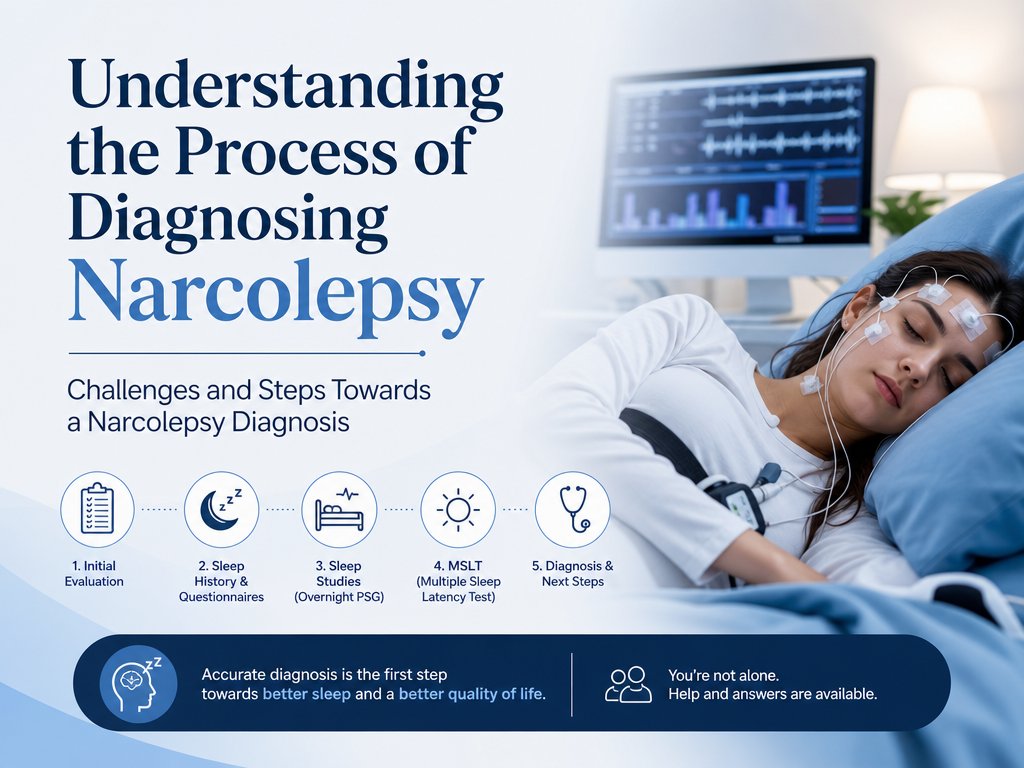
Healthcare professionals may begin by recommending a sleep journal to document sleep patterns and symptoms over several weeks, providing context for your sleep disturbances. Advanced tests like polysomnography and multiple sleep latency tests can reveal insights into sleep patterns, particularly how swiftly you fall asleep and how often you enter REM sleep, vital indicators of narcolepsy. The collected data is also essential in ruling out other possible sleep disorders.
Treatment and Management
There is no cure for narcolepsy; however, symptoms can be managed through medication, lifestyle adjustments, and support. Common medications include stimulants, antidepressants, and sodium oxybate to help manage symptoms. Consistent sleep habits and short naps throughout the day can also aid in symptom management, reducing the impact of daytime sleepiness. Cognitive-behavioral therapy and support groups are invaluable, helping individuals cope with the condition and enhancing quality of life. Research is ongoing into hypocretin therapy as a potential treatment, as deficiencies in this neurotransmitter are associated with narcolepsy, offering promise for more targeted interventions going forward.
Concluding Thoughts
Narcolepsy can significantly impact your daily life, influencing personal and professional relationships, educational goals, and overall well-being. Nonetheless, with the correct diagnosis and treatment strategies, it can be managed effectively. Consulting with a doctor or mental health professional is vital for taking the initial steps towards managing this condition. Awareness and understanding among families, friends, and colleagues can further improve the quality of life for those living with narcolepsy, ensuring a supportive environment conducive to effective management. Building informed communities can help eliminate stigma and foster spaces where individuals with narcolepsy can lead fulfilling and balanced lives, contributing positively to society.