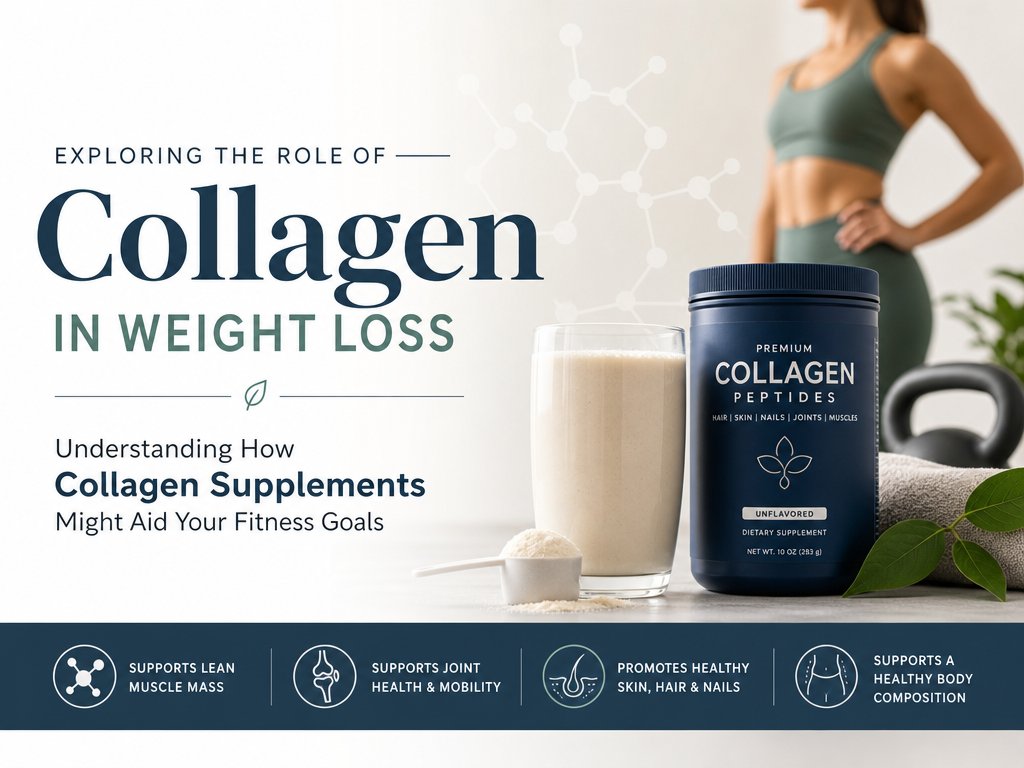
Introduction to Collagen and Weight Loss
While collagen does not directly cause weight loss, it may play a supportive role by enhancing feelings of fullness, regulating metabolism, and offering additional health benefits, such as improved skin hydration. Collagen, a naturally occurring protein, has gained popularity as a nutritional supplement given its multifaceted advantages. In recent years, the interest in collagen supplements has significantly increased, driven by the burgeoning health and wellness industry, which often highlights collagen’s capacity to not only benefit skin, hair, and nails but also to potentially support various physiological functions within the body.
The Composition and Function of Collagen
Collagen is a structural protein that makes up 25 to 30 percent of body proteins. It is composed of amino acids, with glycine, proline, and hydroxyproline accounting for 57 percent of the total. These amino acids form tightly twisted chains, giving collagen its strength and stability. The body produces collagen through cells called fibroblasts, requiring a diet rich in high-quality protein and vitamin C to support its synthesis. Beyond its basic structural roles, collagen plays a vital part in wound healing and provides a framework for the skin’s mechanical functions.
Sources of Collagen
Collagen supplements are derived from animal bones and tissues, aiming to rebuild collagen in the body. Available in various forms, including powders, capsules, and drinks, these supplements seek to offer benefits such as increased satiety, enhanced skin health, and the potential to aid in weight management. They are extracted from bovine, porcine, and marine sources, catering to diverse dietary preferences. Marine collagen, in particular, is often favored for its high bioavailability, meaning it is more easily absorbed and utilized by the body compared to other forms.
Research on Collagen and Weight Loss
Currently, there is limited research directly linking collagen supplements to weight loss. Many studies remain small, outdated, or are conducted on animals. However, evidence suggests that collagen could indirectly support weight management by increasing feelings of fullness, improving metabolic function, and aiding in lean muscle preservation. Although definitive conclusions cannot yet be drawn, the potential metabolic benefits of collagen warrant further investigation, especially in the context of comprehensive weight management strategies.
Satiety and Protein Intake
Collagen supplements may contribute to satiety, helping reduce daily calorie intake by making you feel fuller for longer durations. A review from 2020 indicates that high-protein diets elevate satiety hormones, while simultaneously suppressing ghrelin, the hunger hormone. Small studies have shown promising results in using collagen for muscle building and weight management, illustrating its potential in maintaining a balanced diet. Furthermore, the role of collagen in optimizing digestive health could indirectly influence weight management by promoting better nutrient absorption and gut health.
Collagen and Muscle Mass
Building muscle is crucial for weight loss as muscles burn more calories at rest. Collagen, being the main structural protein in muscles, may increase muscle mass, thereby aiding in weight loss efforts. Studies show improvements in muscle mass and strength with collagen peptide supplements, especially when combined with weight training, highlighting the synergistic effect of exercise and supplementation. This effect not only promotes physical strength but also enhances metabolic efficiency, further supporting weight management goals.
Collagen’s Broader Health Benefits
Apart from possible weight management benefits, collagen supplements may reduce joint pain, enhance physical activity, and support overall well-being. They are particularly noted for managing osteoarthritis by improving joint lubrication, reducing stiffness, and alleviating pain, thus enabling individuals to maintain an active lifestyle. Additionally, collagen is famed for boosting skin elasticity and reducing wrinkles. These skin benefits are particularly appealing to those seeking anti-aging solutions, as collagen products can visibly improve skin texture and youthfulness.
Safety and Usage Recommendations
Despite their potential benefits, collagen supplements are not regulated by the FDA. Thus, it is crucial to choose products from reputable brands and adhere to recommended dosages. Consultation with a doctor or healthcare professional is advised before starting any supplement regimen, especially for individuals with allergies, existing medical conditions, or those who are pregnant or breastfeeding. This personalized guidance will ensure safety and address any specific health concerns. Furthermore, being informed about the source of the collagen is essential for those with dietary restrictions or allergies, as this could determine the product’s suitability.
Conclusion
In summary, while not a standalone solution for weight loss, collagen supplements can be an effective part of a holistic approach to health and wellness. They should be coupled with healthy lifestyle choices, including a balanced diet and regular physical activity, to achieve and maintain sustainable results. As with any supplement, it is crucial to integrate collagen into a well-rounded health strategy tailored to individual goals and needs. By understanding the diverse roles that collagen can play in overall health—from supporting joint function to enhancing muscle mass—individuals can better align their supplementation practices with their personal health objectives.
Future Directions
Further research is necessary to explicitly understand collagen’s role in weight loss, especially large-scale clinical trials on humans. Only through meticulous studies can healthcare professionals develop unbiased, authoritative guidelines for collagen use in weight management. Meanwhile, the dynamic science of nutrition continually unravels various aspects of collagen’s extensive benefits. As the conversation around wellness evolves, embracing evidence-based practices ensures that collagen supplements serve as a valuable component in achieving comprehensive health goals. Additionally, driven by scientific inquiry and consumer insights, new innovative collagen formulations are anticipated, targeting specific health issues, such as joint health optimization, sports recovery, and skincare advancements. With ongoing research and technological advancement, the future of collagen supplements holds promising potential for a broader range of health benefits and applications.