The Healing Power of the Ocean
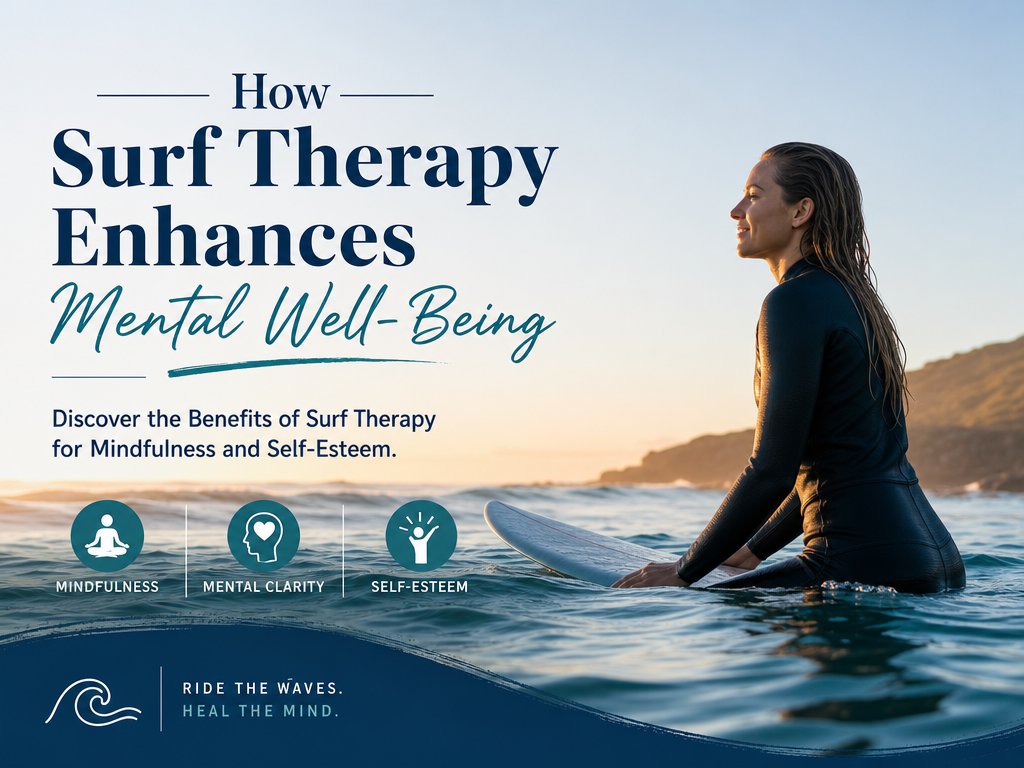
If you find peace and excitement in the ocean, it may not come as a surprise that ocean-based activities such as surfing have long been considered therapeutic. Experts in recent years have been investigating the mental health benefits of what is now termed ‘surf therapy.’
Surf therapy uses surfing’s fundamentals to boost mental well-being. By learning to surf, individuals can experience an exhilarating way to build confidence, engage in relaxation, and enhance their physical activity. Connecting with the dynamic nature of the sea not only challenges participants physically but also offers a spiritual and emotional release, providing a pathway to enhance overall wellness.
What is Surf Therapy?
A Unique Therapeutic Approach
Surf therapy provides an alternative setting compared to typical therapeutic environments. While it may not be suggested as a primary treatment for mental health issues, it is an enriching complementary option alongside established therapies. The interplay between humans and nature during surfing sessions offers a symbiotic relationship that nurtures and supports mental healing.
Participants learn surfing techniques in a manner that embraces the ocean’s calming influence, potentially mitigating emotional distress and easing various mental and physical symptoms. The sensory engagement one experiences when immersed in water coupled with the meditative qualities inherent in surfing instills a sense of tranquility.
Benefits of Surf Therapy
Emotional and Mental Health
Research indicates surf therapy can help reduce symptoms of depression and anxiety, even among individuals with severe conditions like PTSD. The rhythmic waves aid in calming the nervous system, enhancing mood, and promoting better emotional regulation. The continuous motion of the ocean acts as a form of natural therapy that echoes rhythmic breathing, similar to meditative practices.
Moreover, surfing requires focus and attention, skills that can help in managing intrusive thoughts and foster a space of mental clarity and peace. As individuals ride the waves, the thrill of the activity engages them in the present moment, pulling them away from stress-inducing thoughts and triggers.
Autism and Sensory Comfort
Many individuals with autism find the ocean’s consistent sounds and repetitive movements soothing. Although surf therapy doesn’t attempt to ‘treat’ autism, it offers an inviting sensory experience that aids in calming overstimulation. The natural pressure of water combined with the soothing feel of a wetsuit offers a comforting compression that can be grounding.
Parents often observe reduced anxiety levels and improved sleep patterns in their children, along with the therapeutic effect of wetsuit-induced pressure providing relaxation. The social aspect also encourages engagement in a controlled environment, which can be beneficial for skill development and confidence building.
Mood, Mindfulness, and Environmental Appreciation
Engaging with the ocean helps individuals connect with their surroundings and practice mindfulness, essential for reducing stress. Exposure to natural environments fosters a deeper appreciation for marine life and ecosystems, emphasizing the importance of protecting these environments. This connection to nature serves as a reminder of the interconnectedness of all living things.
Participants develop a keener awareness of the delicate balance within marine environments, often leading to more environmentally conscious decisions in their daily lives. Being physically present in such a vast and powerful setting inherently teaches lessons of humility, respect, and awe, fostering a mindful attitude that extends beyond surfing sessions.
Building Self-Esteem and Social Skills
A Challenge that Empowers
Surfing can be a metaphorical step towards achieving what once seemed impossible. Learning to surf nurtures self-esteem, providing individuals with a sense of accomplishment and the confidence to face other challenges. The very act of standing on a board, balancing against the force of the waves, imparts a resilience that translates to everyday life.
This accomplishment can serve as a catalyst for larger personal growth, encouraging people to explore other opportunities with renewed courage and self-assurance. As they progress, surfers build on their successes and failures, fostering a growth mindset that can invigorate personal and professional pursuits.
Connecting Communities
Surf therapy goes beyond individual benefits; it facilitates community connections. Group settings enhance social skills and enable friendships, improving interpersonal relations and fostering new social ties. The shared experience of learning and overcoming challenges together can create lasting bonds and a sense of belonging.
Communities often form around surf therapy programs, fostering networks of support and shared experiences that transcend the ocean. These relationships can be particularly beneficial for individuals who may feel isolated in their struggles, offering them a network of peers who understand their journey and can provide valuable support.
Inclusive Surf Therapy
Adaptive Surfing for All
Organizations like the Roxy Davis Foundation offer surf therapy to a broad clientele, including those with physical or developmental challenges, with sessions adapted to participants’ unique needs. Adaptive surfing ensures that everyone, regardless of ability or experience, can benefit from the ocean’s therapeutic properties.
Instructors are trained to use specialized equipment and techniques tailored to individual requirements, ensuring a safe and supportive environment where everyone can participate and thrive. This inclusivity not only enriches the participants’ experiences but also expands the surf community’s diversity.
Family-Based Participation
Family engagement is encouraged, creating a multi-layered support network that amplifies the positive impacts of surfing, together reinforcing the therapeutic journey. Family involvement can enhance communication, build stronger relationships, and offer mutual support as family members experience the joys and challenges of surfing together.
This collective participation enriches the therapeutic experience, allowing for shared achievements and memories that can strengthen familial bonds and provide lasting emotional benefits for all involved.
Getting Started with Surf Therapy
Finding the Right Program
Programs vary widely, offering everything from one-time sessions to regularly scheduled classes. It’s crucial to choose organizations prioritizing safety and tailor sessions to meet individual requirements. Seeking programs led by experienced professionals ensures that participants receive the most therapeutic value from their sessions.
When exploring options, consider the program’s approach to inclusivity, adaptability, and integration of therapeutic practices that cater to specific needs. Quality programs will not only focus on surfing skills but also on holistic well-being, encouraging an all-encompassing developmental process.
Accessible to All Ages
While most research focuses on younger populations, surf therapy welcomes participants from toddlers to the elderly, each experiencing unique benefits. This adaptability makes it an appealing option for family-based program participation, allowing multiple generations to engage and enjoy the therapeutic aspects of surfing.
For children, engaging in surf therapy can provide an exciting way to develop confidence, social skills, and emotional regulation from a young age. For older adults, surfing can offer benefits like improved physical health, balance, and increased social interaction, counteracting feelings of loneliness or isolation. Each session can be tailored to address the specific goals and capacities of its participants, making it a versatile therapy.
Although it may not replace conventional treatments like psychotherapy or medication fully, it serves as an excellent complementary option. Open communication with healthcare providers about supplementing traditional therapy with surf therapy could yield additional benefits. Health practitioners may offer guidance on incorporating surf therapy into broader treatment plans, aligning it with individual therapeutic goals.
Ultimately, surf therapy promotes an invigorating way of supporting mental health, adaptable to various needs across age and ability spectrums. Through embracing the challenges and rewards of interacting with the ocean, individuals can discover new paths to healing and resilience, finding peace and strength in the surf’s embrace. Continually engaging with the sea’s rhythms can nurture a connection to both the environment and oneself, enriching life through renewed perspectives. The wave’s constant motion offers a powerful metaphor for life’s transitions, encouraging trust in one’s ability to navigate change.