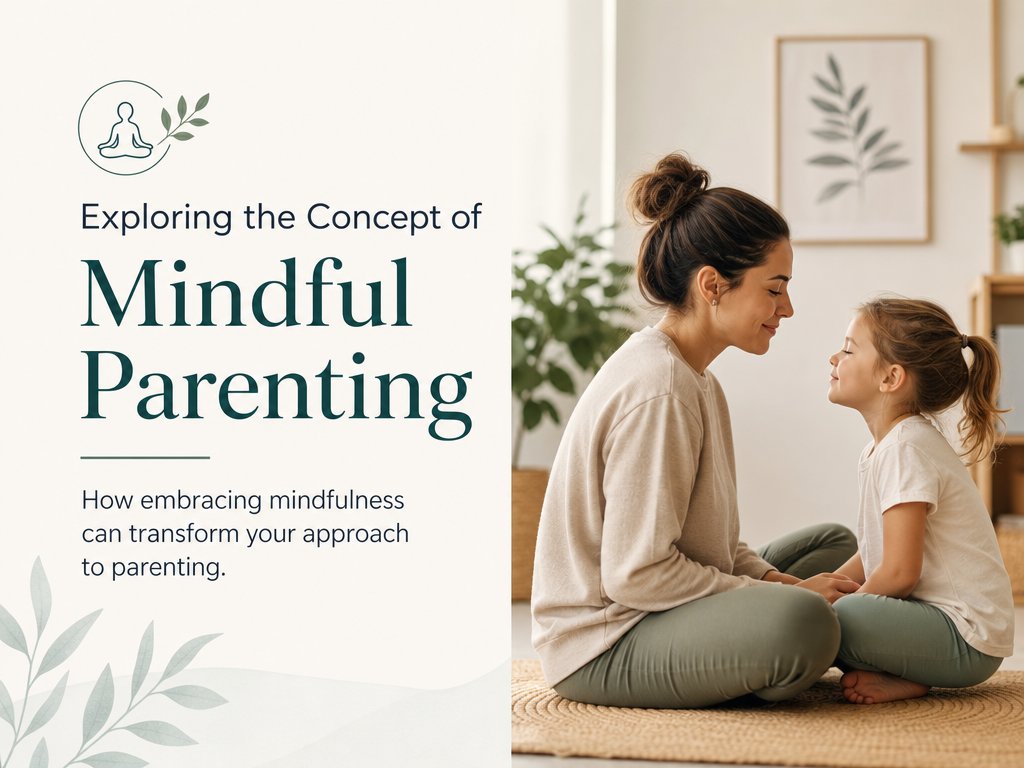
Introduction to Mindful Parenting
Are you feeling overwhelmed by the daily stresses of parenting and yearning for a more serene experience? Mindful parenting might hold the key to transforming your journey. This approach seamlessly blends the principles of mindfulness with parenting techniques, offering a fresh perspective on dealing with challenging situations by encouraging a pause and a deep breath before responding. By incorporating mindfulness into your parenting strategy, you can cultivate an environment that promotes love, understanding, and patience—qualities that will greatly benefit both you and your children.
Understanding Mindfulness
Mindfulness is fundamentally about embracing the present moment. It entails being fully conscious of your thoughts and feelings and accepting them as they are, free from criticism. This philosophy promotes awareness and understanding in every situation, helping cultivate a positive attitude and response to life’s various demands. By acknowledging each thought and emotion without judgment, you create a space for inner peace and acceptance, ultimately leading to greater clarity and focus in daily interactions. This heightened presence not only benefits personal well-being but also enhances your ability to connect with others around you.
Mindful Parenting: A Brief Overview
The concept of fusing mindfulness with parenting practices has been gaining ground since the late 1990s. Mindful parenting is about thoughtfully responding to children’s behaviors rather than reacting on impulse. This nurturing approach helps foster acceptance and strengthens the bond between parent and child, offering a myriad of advantages for families. By maintaining a consistent practice of being present, parents can better understand and connect with their children’s needs and emotions, leading to more meaningful and supportive relationships.
Misconceptions About Mindful Parenting
It’s crucial to clarify that mindful parenting doesn’t mean being perpetually upbeat or positive. Instead, it encourages engagement with the current moment, preventing past traumas or future anxieties from dictating your reactions. This balanced approach helps in creating a more harmonious parenting experience. Additionally, it’s important to realize that mistakes and stressors are natural elements of life and parenting; mindful parenting is about managing these with grace and understanding, allowing for growth and learning for both parent and child. This approach acknowledges that both positive and negative experiences are valuable opportunities for learning and transformation.
Key Elements of Mindful Parenting
Central to mindful parenting are skills such as effective emotional regulation and empathetic understanding. Numerous studies underscore these practices, highlighting their benefits for both parents and children in alleviating stress and mitigating mood disorders like depression and anxiety. When parents model emotional intelligence and empathy, children learn to mirror these behaviors, contributing to a supportive and nurturing family environment that promotes psychological well-being and strong interpersonal skills. These foundational skills are integral to fostering a home environment that is both nurturing and conducive to holistic child development.
The Impact of Mindful Parenting on Families
Research demonstrates that mindfulness training during parenting substantially enhances parent-child relationships. It equips parents to navigate the turbulent waters of adolescence, promoting constructive responses to common stressors and challenges encountered during those years. As parents become more attuned to their children’s changing needs and emotions, they can provide the necessary support and guidance that helps adolescents build confidence and resilience, preparing them for the complexities of adult life. With mindful parenting, communication becomes more open and effective, creating a family atmosphere where every member feels heard and valued.
Benefits for Children
For children, growing up with mindful parenting provides a foundation for better social decision-making and emotional regulation. By encouraging them to understand and accept their emotions, this approach helps instill vital life skills early in their development. Children who experience mindful parenting develop a sharper awareness of their own feelings and the feelings of others, leading to improved empathy and communication skills that are crucial for forming healthy relationships and excelling in collaborative settings. These skills not only enhance a child’s personal and academic life but also prepare them for successful social interactions beyond the family unit.
Preventing Mistreatment and Enhancing Parenting
In a significant 2007 study, findings suggested that adopting mindfulness strategies in parenting can markedly diminish instances of mistreatment and improve child behavior. These results paint a compelling picture of mindful parenting as advantageous for both the parent and the child. Mindful parenting encourages respect and mutual understanding within the family unit, which helps prevent conflict and promotes a safe and nurturing environment where children can thrive emotionally and psychologically. By fostering a sense of security and emotional safety, children are better equipped to explore their world with confidence and curiosity.
Examples of Mindful Parenting in Action
Next, let’s delve into practical scenarios that highlight mindful parenting and its efficacy in addressing common challenges faced during child-rearing. Imagine a typical morning rush to get everyone out the door. Instead of reacting with frustration to a child dawdling, a mindful parent might pause, take a deep breath, and consider why the child is distracted. By addressing the underlying emotion or need, the parent can guide the child more effectively, reducing stress for both parties involved. This simple adjustment in approach can transform potentially fraught moments into opportunities for connection and teaching.
Facing Daily Challenges Mindfully
Mindful parenting involves strategies like breathing through moments of stress, pausing to truly comprehend emotions, and extending empathy. By transforming potentially exasperating situations into enlightening experiences, it offers profound learning opportunities. Whether dealing with a tantrum, homework struggles, or sibling rivalry, a mindful approach encourages both parent and child to explore emotions and solutions together, fostering a deeper understanding and cooperation. This not only helps in resolving the immediate conflict but also strengthens the overall family dynamic by building trust and respect.
Setting Mindful Parenting Apart
What distinguishes mindful parenting from other styles is its emphasis on present-focused awareness and emotional presence rather than strict tactics for discipline or behavior modification. This perspective nurtures healthier, more robust relationships. Unlike traditional methods that may focus on corrections, mindful parenting emphasizes connection and understanding, inviting both parent and child to actively participate in finding resolutions that honor the feelings and perspectives of all involved. This inclusive approach encourages family members to develop a shared language of empathy and compassion, which benefits relationships both within and outside the home.
Conclusion: Embracing Mindful Parenting
You don’t need to completely reinvent your lifestyle to integrate mindfulness into your parenting approach. Begin by taking a moment to pause during stressful occasions, take a deep breath, and consciously immerse in the present. Over time, this practice will not only reduce stress but also help cultivate a more compassionate and healthy family dynamic. By adopting mindful parenting, you’re setting a solid foundation for emotional growth and resilience for both you and your children. This journey of mindfulness not only benefits your immediate family relationships but also equips your children with invaluable tools for navigating the diverse challenges life presents, making it an empowering choice for holistic family well-being. As you continue to embed these practices into your daily life, the long-term benefits of stronger, more empathetic connections become increasingly evident, paving the way for a fulfilling family life.