Understanding the Role of Vitamin D During Menopause
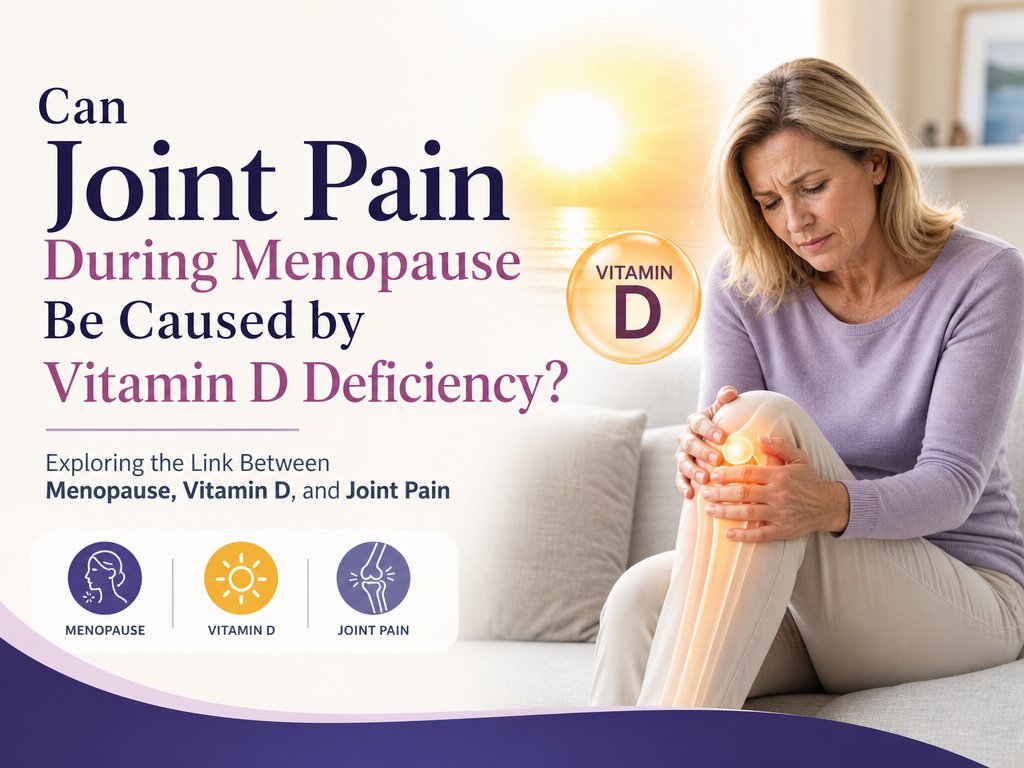
Menopause is a challenging phase for many women, often accompanied by symptoms affecting quality of life. Joint pain, a significant concern, affects daily mobility and comfort. An often-overlooked factor contributing to this discomfort is vitamin D deficiency. Evidence increasingly links low levels of vitamin D to joint discomfort during menopause and beyond.
Link Between Vitamin D Deficiency and Joint Pain
Research emphasizes vitamin D’s role in maintaining bone health and preventing pain associated with deficiencies. A 2018 study connected reduced vitamin D levels with arthritis and muscle pain, highlighting broader implications for joint health. The relationship between low vitamin D and joint pain warrants attention and further study.
Implications for Older Adults
In older adults, vitamin D deficiency can exacerbate inflammation, increasing pain prevalence. This underscores the importance of monitoring vitamin D status to avoid negative outcomes. For aging women, sufficient vitamin D levels are crucial for managing menopausal symptoms and quality of life.
Monitoring and Managing Vitamin D Levels
Regular blood tests can determine vitamin D levels, providing insights into managing symptoms. Healthcare professionals can guide optimal vitamin D levels, playing a role in managing health during menopause.
Optimal Vitamin D Levels
The Office of Dietary Supplements outlines sufficient vitamin D ranges for health. If tests show suboptimal levels, healthcare providers might suggest supplementation to improve health and alleviate menopausal symptoms linked to low vitamin D.
Addressing Vitamin D Deficiency
While research varies on vitamin D supplements’ direct impact on pain relief, correcting deficiencies remains critical. Adequate vitamin D levels are supported by dietary sources, supplements, and safe sun exposure, ensuring necessary nutrients for effective body function.
Dietary Sources and Sunlight
Incorporate vitamin D-rich foods like fatty fish, eggs, and fortified dairy products, with supplements, to maintain optimal levels. Sun exposure aids in natural vitamin D synthesis. Discuss with your healthcare provider methods tailored to your lifestyle and health needs to manage vitamin D levels safely and effectively.