Understanding Non-Hodgkin’s Lymphoma
Non-Hodgkin’s lymphoma (NHL) is a prevalent hematological cancer primarily targeting lymph tissues. Unlike other medical conditions, having one type of cancer does not necessarily preclude you from developing another type. Some cancers may emerge from linked origins, while others can develop independently, each requiring its own treatment and management strategies. The complexity of cancer management is influenced by the specific characteristics of each cancer type and the patient’s overall health condition.
The Connection Between NHL and Melanoma
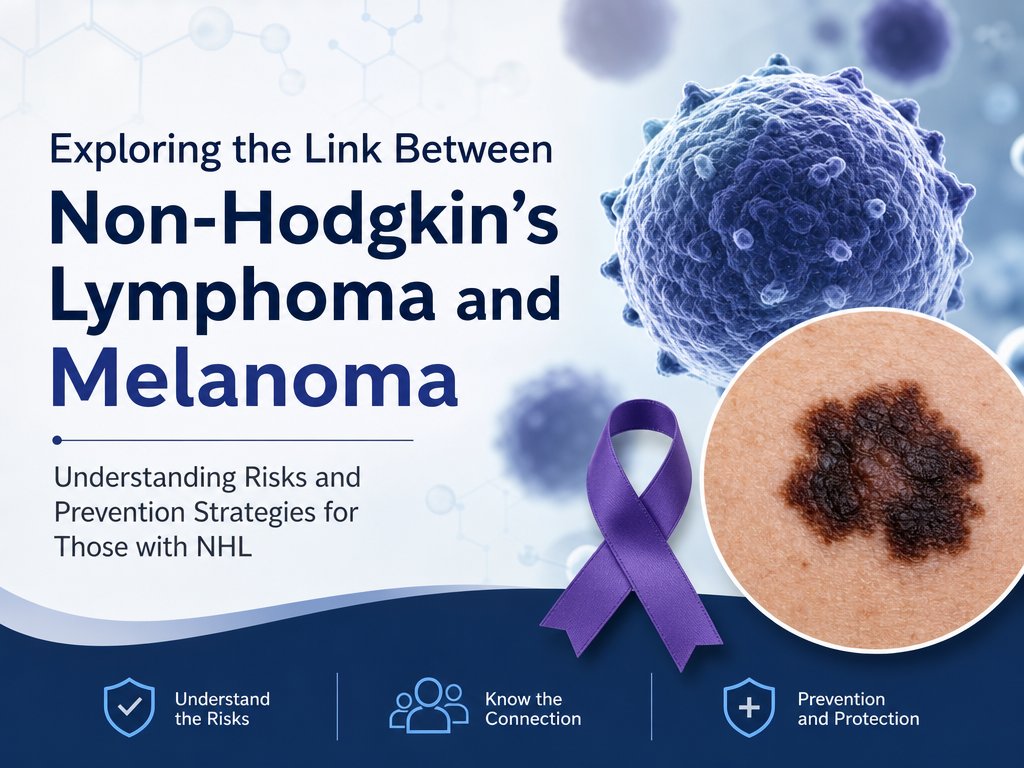
Investigating the possible connection between Non-Hodgkin’s lymphoma and melanoma, we discover that immune system suppression during NHL treatments might raise the risk of melanoma, amongst other potential health complications. The increased risk is particularly evident for individuals undergoing chemotherapy or other rigorous interventions that suppress immune functionality. Despite this, the life-saving benefits these treatments provide often outweigh the potential risk factors. It remains paramount to follow medical guidance when facing a cancer diagnosis, ensuring that the pursuit of a treatment path is aligned with the most informed medical decisions.
Increased Risks
The presence of NHL might heighten your likelihood of developing melanoma due to the immune system’s compromised defenses. Although this possibility exists, it is critical to adhere to your prescribed medications and treatment plans, unless advised otherwise by a healthcare professional. The potential for an increased melanoma risk does not outweigh the necessity of treating the primary lymphoma diagnosis effectively. Continuous monitoring of skin health by healthcare providers can help in mitigating risks and providing early intervention if necessary.
Treatment Approaches for NHL and Melanoma
NHL Treatments
Treatment plans for Non-Hodgkin’s lymphoma are specifically tailored to each patient’s type of cancer, taking into account individual symptoms and stages of the disease. A common approach is chemoimmunotherapy, a treatment strategy aimed at inhibiting cancer proliferation by combining chemotherapy with immune-supporting drugs. For cases where chemoimmunotherapy might not be suitable or effective, other alternatives include surgical procedures and targeted immunotherapy sessions. Each treatment modality is associated with unique benefits and potential side effects, which should be discussed comprehensively with the healthcare team to make informed decisions.
Melanoma Treatments
Surgery is typically the front-line treatment for melanoma and other types of skin cancers. Medical professionals often prioritize surgical removal of melanoma at an early stage to prevent its spread. However, when melanoma cells do manage to spread to other parts of the body, immunotherapy comes into play, leveraging the body’s immune system to target and destroy cancerous cells more effectively than traditional methods alone. The choice between surgery and immunotherapy or a combination thereof is determined by the cancer stage and overall patient health.
Preventing Melanoma
Taking proactive steps to reduce ultraviolet (UV) radiation exposure is essential for effective melanoma prevention. Adopting preventive measures, such as wearing protective clothing and using high-SPF sunscreen, can significantly decrease the risk of developing skin cancers. Additionally, regular self-examinations and periodic visits to a dermatologist can aid greatly in the early detection of melanoma, improving treatment outcomes. Individuals with a history of skin cancer or significant UV exposure should remain vigilant in their preventative efforts.
Prognosis and Outlook
Survival rate data underscores the importance of early detection in improving cancer outcomes. According to the American Cancer Society, the five-year survival rate for localized melanoma is a promising 99%, though this percentage decreases significantly to around 30% in cases where the cancer has spread to distant parts of the body. NHL exhibits a varied range of survival rates due to its multiple forms, with the general five-year survival rate standing at approximately 73%. These statistics emphasize the critical role of early diagnosis and timely intervention in enhancing prognosis.
Seeking Support
Receiving another cancer diagnosis after battling NHL can be emotionally and physically challenging. During such times, support from loved ones, patient groups, and community forums is invaluable. Dedicated healthcare professionals, especially oncologists, can provide essential resources and guidance to access local support networks, offering patients a road map to navigate through these incredibly trying experiences. Emotional support, counseling services, and involvement in support groups can help patients manage the psychological impact of living with and treating multiple cancer diagnoses.
Studies highlight that around 11% of NHL patients may go on to develop another form of cancer, a rate notably higher than those without an existing NHL diagnosis. Staying engaged with healthcare providers, undergoing regular check-ups, and being proactive about personal health can help curb risks and facilitate early detection of melanoma or any other potential secondary cancers. Awareness and regular monitoring should be integral parts of post-diagnosis care strategies to ensure comprehensive health management.