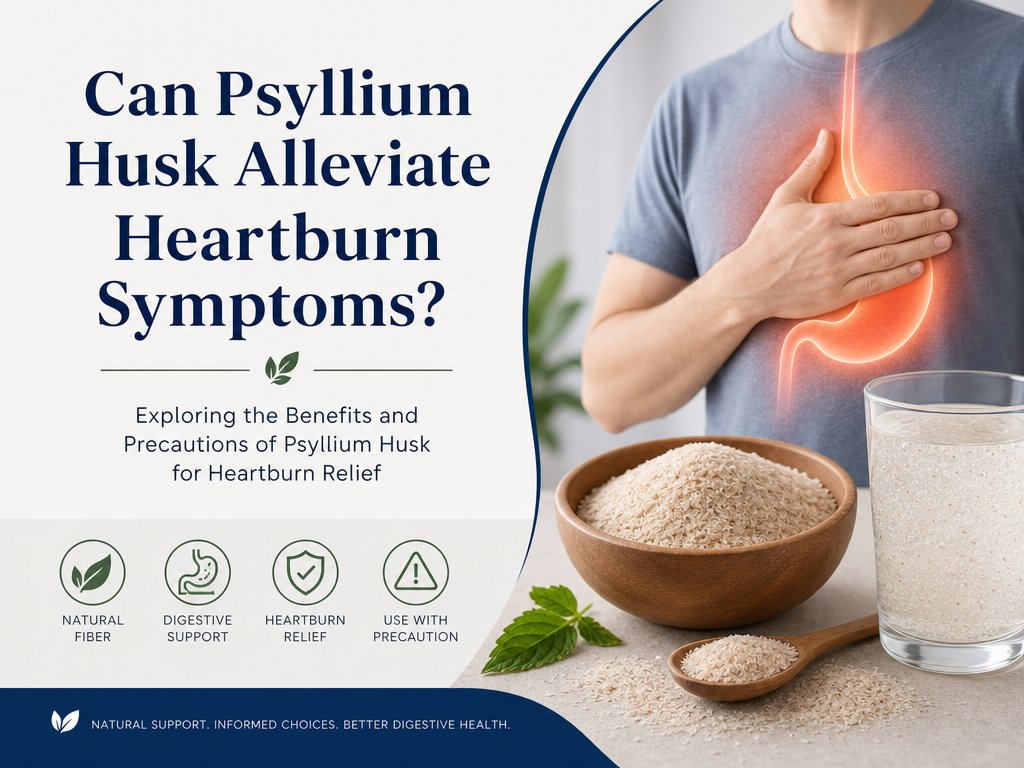
Understanding Psyllium Husk
Psyllium husk, traditionally utilized as a fiber supplement for easing constipation, might also help in alleviating heartburn symptoms. Extracted from a herb that is widely cultivated across the globe, this product is renowned for its high content of soluble fiber, rendering it an effective bulk-forming laxative. It is available in both powder and wafer forms, making it a favored dietary supplement for those seeking potential benefits in heartburn relief.
Heartburn and Its Causes
Heartburn manifests as a burning sensation in the chest, primarily resulting from stomach acid entering the esophagus. This can be an isolated incident or evolve into a chronic condition known as gastroesophageal reflux disease (GERD). Certain dietary habits and foods, including spicy or fatty meals, caffeine, alcohol, smoking, and consuming large meals shortly before bedtime, can exacerbate the discomfort experienced during episodes of heartburn.
Diets low in fiber are often associated with a heightened risk of heartburn and GERD. For this reason, integrating psyllium husk into diets with insufficient fiber may prove beneficial in managing heartburn and symptoms of non-erosive GERD, particularly for individuals also experiencing constipation. Augmenting fiber intake promotes better digestive health, supports regular bowel movements, and can result in softer stool formation.
How Psyllium Husk Works
The potential relief from heartburn provided by psyllium husk may be attributed to its fiber content’s capacity to bind with nitric oxide found in food. Nitric oxide is known to influence the pressure of the valve where the esophagus meets the stomach, which plays a role in reflux. By neutralizing its impact, fiber might potentially enhance valve pressure, thus reducing the intensity of reflux and associated heartburn.
Research indicates that psyllium husk might be more effective than certain medications such as omeprazole for managing heartburn and GERD. A study conducted in 2018 noted a lower recurrence of heartburn or GERD symptoms among psyllium husk users, underscoring its potential as an alternative form of treatment.
Side Effects and Cautions
Psyllium husk is generally well-tolerated by the majority of people, although it may initially cause gas and bloating as the body acclimates to the increased fiber intake. It is crucial to avoid ingesting psyllium concurrently with medications, since it could interfere with drug absorption.
It is advisable to consult a healthcare provider prior to use, particularly for individuals who are already taking other medications. Additionally, increasing fiber intake through food is recommended. Sources of soluble fibers include oats, beans, and apples, whereas insoluble fibers can be found in whole grains and vegetables.
Alternative Approaches to Managing Heartburn
Apart from psyllium husk, there are numerous approaches to managing heartburn effectively. Dietary adjustments, such as avoiding foods known to trigger symptoms, reducing the size of meals, and eating at a slower pace, can aid in management. Lifestyle modifications, including raising the head of the bed, maintaining a healthy weight, and avoiding lying down soon after meals, can be beneficial. Addressing stress levels and quitting smoking may also contribute to reducing occurrences of heartburn.
In conclusion, although psyllium husk shows promise for providing relief from heartburn due to its soluble fiber content, careful usage alongside other strategies remains essential. By combining a variety of dietary, lifestyle, and medical interventions, individuals may achieve comprehensive and lasting relief from heartburn symptoms, contributing to enhanced quality of life.