Introduction
Healthline’s article explores the nuanced differences between situational and clinical depression, two distinct forms of depression presenting similar symptoms but carrying different underlying causes and treatment protocols. Both conditions substantially impact mental health, each necessitating specific methods for diagnosis and management. Comprehending these differences is crucial for individuals experiencing depression and for the professionals tasked with supporting them in their recovery journey.
Understanding Depression
Depression remains one of the most prevalent mental health issues, affecting millions around the globe. In the United States alone, about 8.4% of adults reported undergoing a major depressive episode in 2020, as per the National Institute of Mental Health (NIMH). This significant figure accentuates the urgency of addressing depression in its manifold forms to enhance mental health outcomes and extend support to those suffering.
Situational Depression
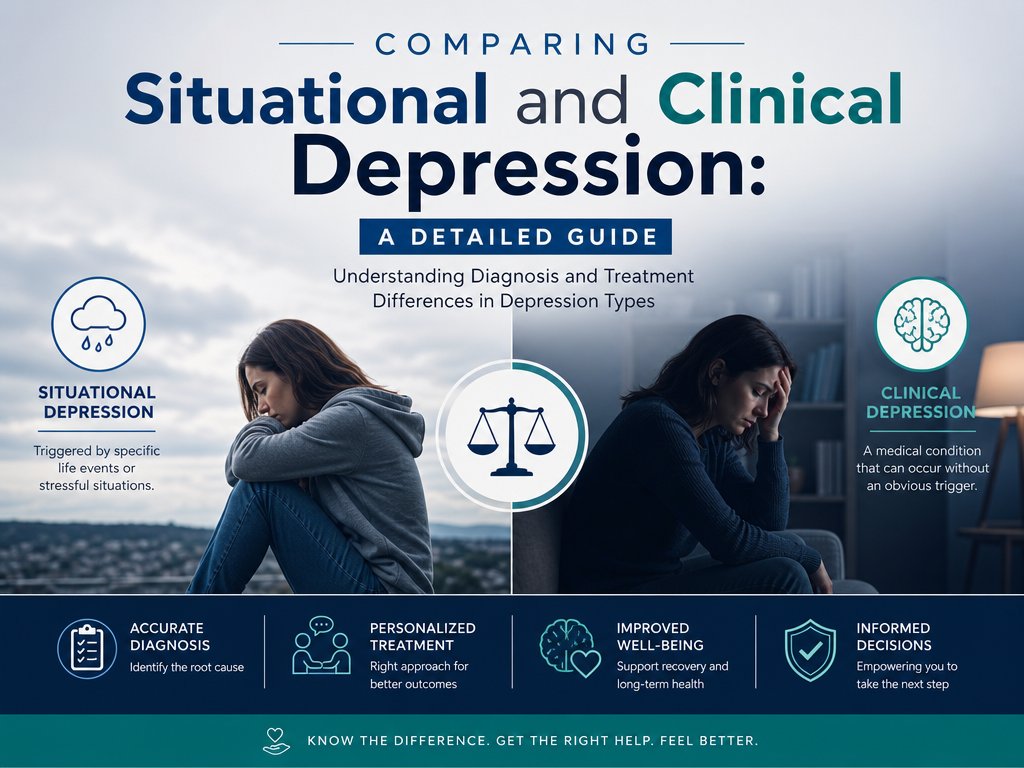
Situational depression, also termed adjustment disorder with depressed mood, emerges from difficulties in adjusting to stressful life events. Unlike clinical depression, it is specifically triggered by certain situations, such as changes in personal circumstances or traumatic episodes. Recognizing these signs early allows for faster recovery and can prevent further complications down the line.
Triggers and Treatment
Situational depression can be triggered by life events like losing employment, experiencing a divorce, or the death of a loved one. Typically, it is considered a short-term ailment, often improving within six months with appropriate treatment. Such interventions usually include therapy and possibly lifestyle adjustments. Early intervention can substantially shorten recovery time and enhance the quality of life. Therapeutic methods such as Cognitive Behavioral Therapy (CBT) or counseling are frequently recommended to help individuals process the emotions linked to these events and develop coping strategies for the future. Access to professional guidance can also be a pivotal part of treatment.
Clinical Depression
Clinical depression, also known as major depressive disorder (MDD), is a chronic condition that can profoundly affect all areas of an individual’s life. Recognized as one of the leading causes of disability worldwide by the World Health Organization (WHO), understanding its intricacies is essential for both sufferers and caregivers committed to achieving long-term stability and well-being.
Symptoms and Diagnosis
Individuals suffering from clinical depression often experience persistent depressed moods along with cognitive and physical changes. A formal diagnosis is typically required if these symptoms persist for two weeks or more. Recognizing these signs early is crucial to initiating effective treatment plans and preventing further health complications. A comprehensive assessment by a mental health professional, often involving psychological evaluations and questionnaires, can yield a more accurate understanding of the condition and guide appropriate treatment.
Treatment Approaches
The treatment protocols for clinical depression commonly encompass a combination of therapy and medication, aiming for long-term management of symptoms, which marks a distinction from situational depression treatments. These approaches are tailored to the specific needs of the individual, thus promoting sustained improvement in mood and functionality. Antidepressants such as selective serotonin reuptake inhibitors (SSRIs) or serotonin-norepinephrine reuptake inhibitors (SNRIs) may be prescribed along with psychotherapy to balance brain chemicals and improve emotional states. Regular follow-up appointments are essential to ensure the treatment’s effectiveness, with adjustments made as necessary to optimize recovery.
Treatment and Support Options
Despite the distinct nature of the two depression types, their treatment strategies frequently overlap. Cognitive Behavioral Therapy (CBT), medications, and lifestyle modifications remain common options employed to support individuals suffering from both conditions. Therapy plays a critical role in helping regulate thoughts and improving life quality, sometimes complemented by medications. Additionally, creating a supportive environment and maintaining a healthy lifestyle are vital elements within the healing process. Receiving encouragement and reinforcement from family, friends, or support groups can greatly aid individuals in cultivating positive coping mechanisms.
Consuming a nutrient-rich diet and engaging in regular physical activity can provide long-term benefits, aiding recovery and improving overall well-being. Incorporating regular exercises and a balanced diet loaded with essential nutrients can positively impact mood and energy levels, making these elements indispensable components of any comprehensive treatment plan. Moreover, mindfulness practices such as yoga or meditation can complement conventional treatments, providing holistic benefits to both mental and emotional health.
Reaching Out for Help
While occasional feelings of sadness are a natural part of human experience, persistent depression symptoms necessitate professional intervention. Various resources, including the 988 hotline and Healthline’s FindCare Tool, are available to connect individuals with essential support. These resources are invaluable for ensuring that those struggling can access the help they need in an efficient and effective manner. Whether it’s through accessing mental health services, reaching out to a support group, or seeking guidance from a therapist, these steps are vital for managing depression and fostering a return to health.
Conclusion
Although situational and clinical depression share some symptoms, they require different approaches for effective management. Seeking help and fostering open communication with loved ones or mental health professionals are crucial steps toward recovery and regaining well-being. Understanding the unique characteristics of each type of depression and obtaining tailored support can empower individuals to overcome challenges and lead healthier, more fulfilling lives. By staying informed and proactive about mental health, both sufferers and their support networks can make a positive impact on the journey to wellness. Awareness and education of depression’s signs, causes, and available treatments can serve as powerful tools in dismantling stigma and advocating for mental health.