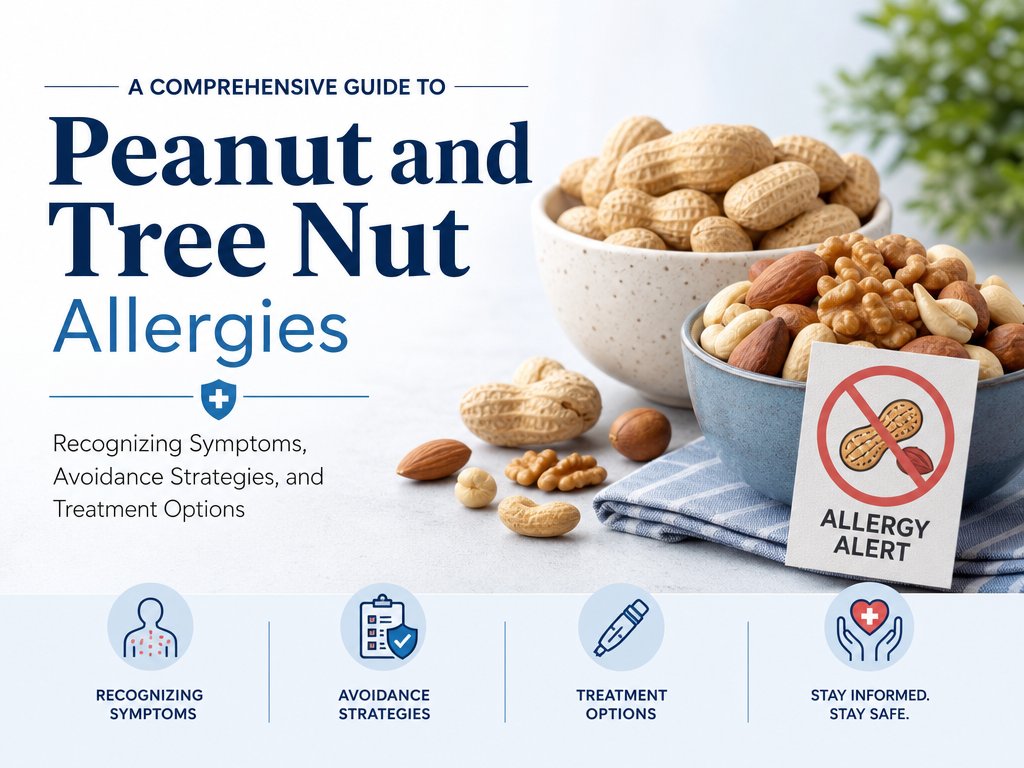
Introduction
In the United States, an estimated 20 million people suffer from food allergies, with nut allergies being one of the most prevalent and challenging types. Both children and adults can experience serious, even life-threatening reactions when exposed to nuts. Understanding how to identify symptoms, avoid exposure, and manage an allergic reaction is crucial for those affected and for caregivers, family members, and friends. Recognizing the severity of nut allergies is imperative, given that reactions can rapidly escalate and require immediate medical intervention.
What is a Nut Allergy?
A nut allergy triggers an allergic reaction upon contact or consumption of nuts, typically occurring within minutes but possibly delayed up to six hours. The immune system’s response can vary significantly with severity, with even trace amounts of nuts potentially causing a dangerous response in sensitive individuals. This makes it important to be vigilant about the presence of nuts in foods and products. Nut allergies are often first observed in childhood, but they can also emerge later in life, making lifelong awareness and management necessary.
Common Symptoms
Nut allergies can lead to a spectrum of symptoms ranging from mild to severe, including skin irritations such as rashes and hives, which can be quite uncomfortable. Antihistamines, such as diphenhydramine (Benadryl) or loratadine (Claritin), may provide relief for these skin symptoms and others. Respiratory issues might include coughing, wheezing, or difficulty breathing, which are particularly concerning and require immediate attention. Digestive discomfort, including cramping, nausea, or vomiting, may also occur. In extreme cases, anaphylaxis, a severe systemic reaction, can develop, posing a life-threatening emergency that demands prompt treatment with emergency medical help and an epinephrine injection. Immediate response to respiratory symptoms is essential because they may quickly escalate into a more severe condition.
The Mechanism Behind Nut Allergies
When consuming nuts, the immune system mistakenly identifies them as harmful invaders. This results in the release of chemicals like histamine, which are responsible for the body’s allergy symptoms. Such reactions occur in response to various types of nuts, including both tree nuts and peanuts. Repeated exposure can lead to ongoing sensitization and potentially more serious reactions over time. Education about the underlying immune response can help in understanding the importance of strict avoidance and vigilant management of nut allergies.
Tree Nuts and Peanuts: Differences and Risks
Though peanuts are not true nuts but legumes, individuals allergic to peanuts often experience similar symptoms as those with tree nut allergies. Being allergic to one type of nut can increase the likelihood of having reactions to others, a phenomenon known as cross-reactivity. Therefore, precaution is crucial when consuming foods that contain nuts, whether they are used directly in cuisine, found as hidden ingredients in processed foods, or present in cross-contaminated items in shared facilities. Cross-contact risks in restaurants, schools, and among those unaccustomed to dealing with food allergies reinforce the importance of education and communication with food service providers.
Diagnosis and Management
Diagnosing food allergies is essential, typically through allergist-administered skin or blood tests. Correct identification of specific allergy triggers can inform a management plan. Management involves avoidance strategies, which include reading food labels carefully and inquiring about ingredients when dining out. Additionally, those with known allergies should always be prepared for potential allergic reactions by carrying medications such as antihistamines and epinephrine injections, commonly known as an EpiPen, and knowing how and when to use them effectively. Regular check-ups with healthcare professionals can also help to adjust strategies as needed, ensuring optimal safety in different environments.
Preventive Measures
“Nut-proofing” your environment can significantly reduce the risk of unintended exposure. This involves cleaning surfaces, hands, utensils, and food preparation areas diligently to eliminate potential nut residues. Regular consultations with healthcare providers can aid in monitoring the progression or remission of allergies, as some individuals may outgrow certain allergies over time, while others may require lifelong management. Education and training sessions for schools and workplaces can further decrease the potential for accidental exposures, creating safer environments for those with nut allergies. One practical method is the creation of allergy action plans, which are comprehensive outlines detailing steps to prevent and respond to allergic reactions. These plans often incorporate an inventory of safe foods, crucial contacts, and individualized emergency response protocols, ensuring readiness and effective handling of incidents. Allergy alerts, including bracelets or tags, can also serve as visible reminders for caretakers and educators, particularly in settings where the risk of accidental exposure is higher.
Conclusion
While nuts are among the most common food allergens, raising awareness and implementing targeted strategies can help prevent exposure and manage symptoms effectively. Staying informed, educated, and prepared is the best defense against the potential risks posed by nut allergies. Therefore, continuous education for patients, families, schools, and food service providers remains key to improving safety and quality of life for those affected by nut allergies. Whether it involves changes in legislation, better allergy protocols in various settings, or simply staying updated on new allergen management techniques, proactive measures are crucial. Community support and advocacy for improved labeling laws and allergen control measures contribute significantly to enhancing safety standards nationwide. Through collective efforts, various stakeholders, including governments, healthcare workers, parents, educators, and businesses, can build an environment that prioritizes the health and well-being of individuals with nut allergies, fostering a more inclusive and supportive society.