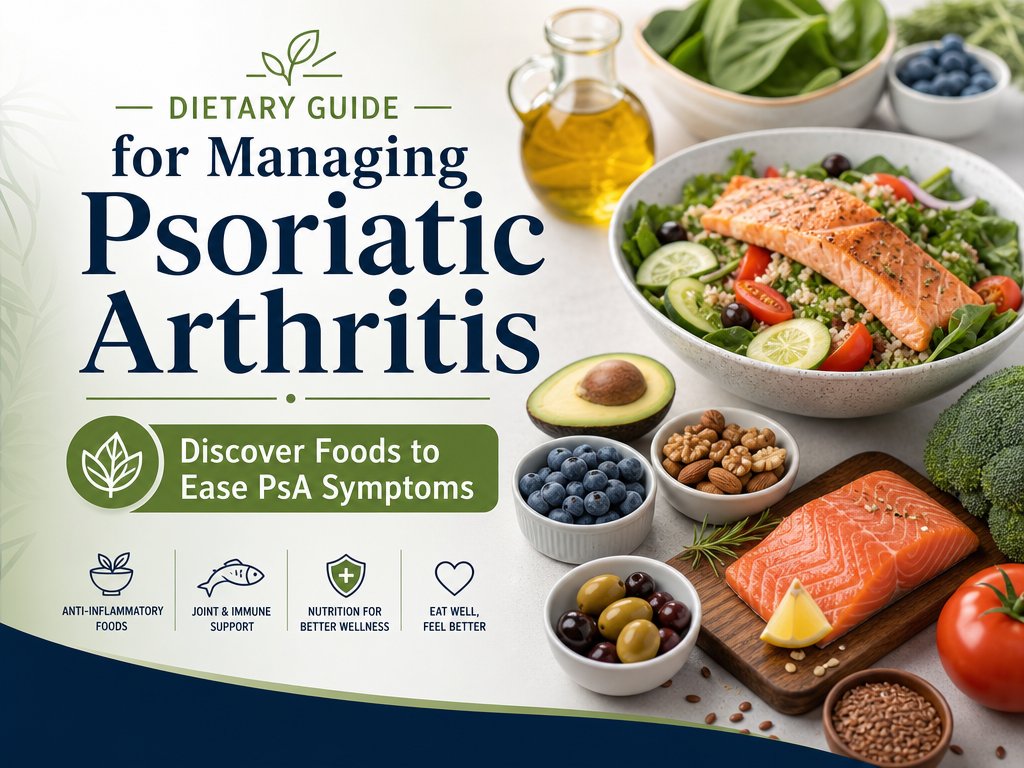
Introduction to Psoriatic Arthritis and Diet
Psoriatic arthritis (PsA) is a chronic inflammatory condition that frequently affects individuals with psoriasis, although it can also present in those without visible skin symptoms. Diet significantly influences PsA management, and making specific dietary modifications has been proven to help diminish inflammation and disease activity. These changes can alleviate symptoms and improve overall well-being, offering a complementary approach to conventional treatments.
Beneficial Foods for PsA
Anti-inflammatory Foods
It’s essential to integrate anti-inflammatory foods into your diet to manage PsA symptoms effectively. Omega-3 fatty acids are recognized for their potent anti-inflammatory properties, making them a valuable dietary component. A study conducted in 2018 demonstrated that omega-3 supplementation might help ameliorate symptoms in afflicted people. Foods abundant in omega-3s include fatty fish such as salmon and mackerel, along with plant-based sources like hemp seeds, flaxseeds, and edamame. Besides fighting inflammation, these foods also offer cardiovascular health benefits.
Antioxidants
Antioxidants provide critical protection against oxidative stress, which is exacerbated by chronic inflammation, often present in arthritis conditions. Research suggests that these compounds may reduce disease activity and duration. Consuming a diet rich in antioxidant-laden foods—including berries, vegetables, nuts like almonds and walnuts, dark chocolate, leafy greens such as spinach and kale, and even coffee—can deliver protective benefits and promote overall health.
Whole Grains
Whole grains are a crucial component of a balanced diet, especially for PsA patients. Options like oats, quinoa, and brown rice provide significant fiber, which assists in regulating blood sugar, mitigating heart disease risk, and lowering inflammation levels in the body. Regular consumption of whole grains supports healthy weight management and enhances gut health, further contributing to PsA symptom management.
Foods to Avoid for PsA
Processed and Red Meats
Scientific evidence underscores that diets high in red and processed meats can contribute to inflammation and result in undesired weight gain. A connection exists between high red meat consumption and increased BMI, potentially disrupting hormonal balance related to hunger and insulin regulation. Reducing the intake of these meats may thus benefit individuals managing PsA.
Dairy Products
Dairy consumption can provoke immune responses that lead to inflammation, particularly in individuals with lactose intolerance or dairy allergies. Certain studies suggest that high dairy intake might negatively impact insulin resistance and inflammatory processes. Considering alternatives like almond milk or soy products could be advantageous dietary changes for some PsA patients, potentially alleviating symptoms linked to inflammation.
Highly Processed Foods
Highly processed foods pose various health risks as they often contain excessive sugar, salt, and unhealthy fats, all of which can trigger inflammatory reactions. These foods frequently use omega-6 fatty acids, present in oils such as corn or sunflower oil, which are linked to inflammation. Limiting processed food intake is recommended for PsA sufferers who wish to manage inflammation efficiently, aiding overall disease management.
Popular Diets and PsA
Keto and Gluten-Free Diets
The ketogenic diet, known for its low carbohydrate and high-fat composition, could potentially assist in weight loss and reducing PsA symptoms due to the resulting lower body weight. Nevertheless, the evidence regarding its impact on psoriasis remains mixed. Individuals dealing with coexisting celiac disease or non-celiac gluten sensitivity might benefit from adopting a gluten-free diet, as it may help manage PsA by eliminating potential triggers linked to inflammation.
Paleo and Mediterranean Diets
The paleo diet emphasizes foods reminiscent of those early humans consumed, focusing on lean meats, fish, fruits, and vegetables while avoiding processed items. Meanwhile, the Mediterranean diet, renowned for its heart-healthy traits, highlights fruits, vegetables, cereals, and healthy fats from sources like olive oil. It is known for its strong anti-inflammatory properties, with research showing its potential to alleviate PsA symptoms effectively.
Pagano and AIP Diets
The Pagano diet, developed by Dr. John Pagano, advocates for high fruit and vegetable consumption to naturally counteract inflammation and enhance skin health. The autoimmune protocol (AIP) diet, a strategy centered around elimination, aims to reduce inflammation and control autoimmune disorders by removing possible dietary triggers. Though the AIP diet is notably restrictive, it emphasizes consuming nutrient-dense foods such as lean meats, vegetables, and fermented foods, which can promote gut health and reduce inflammation significantly.
Managing PsA: Beyond Diet
While diet plays an essential role in managing PsA, addressing additional lifestyle factors is equally important. Effective stress management, quitting smoking, preventing skin injuries, and carefully evaluating medication regimens are key considerations. Personalized care plans should aim to diminish the frequency and severity of disease flares, enhancing overall patient quality of life.
Treatment and Lifestyle Adjustments
Successfully managing PsA calls for a multifaceted approach. It is crucial to follow medical advice and work closely with healthcare providers. Additional lifestyle interventions such as regular physical activity for maintaining joint flexibility, using stress management techniques like meditation or yoga, and completely avoiding smoking can greatly contribute to effective symptom management. Pharmacological treatments, along with topical creams, can deliver considerable relief during flare-ups, improving overall patient outcomes.
It is always advisable to consult healthcare professionals or dietitians before implementing significant dietary changes, ensuring that these adjustments align safely and effectively with one’s comprehensive PsA management strategy.