Understanding Acne-Prone Skin
Many individuals experience acne at some point in their lives, making it crucial to understand your skin type and acne variety. Developing a personalized skincare routine suited to these specifics can greatly benefit your skin’s health and appearance. Knowing the specific factors contributing to acne helps in selecting the right treatment and care regimen.
Types of Acne
Noninflammatory Acne
Characterized by blackheads and whiteheads, noninflammatory acne does not cause swelling. Blackheads appear dark and flat because the pore is open and the sebum oxidizes, whereas whiteheads are small, skin-colored bumps due to closed pores trapping sebum and dead skin cells inside. These types are often easier to treat and less prone to scarring but require consistent care to manage.
Inflammatory Acne
Includes papules and pustules. Papules are small, red bumps that can be tender and are often a sign of infection or irritation. Pustules are similar but contain pus, making them appear white or yellow at the center. Severe forms include nodules and cysts, which are painful, larger and may require medical intervention due to their potential to lead to scarring or more serious skin issues.
Identifying Your Skin Type
To determine your skin type, wash your face with mild soap, pat it dry, and observe after a few hours. If your skin appears shiny all over, you’re likely to have oily skin. If the shine is only in the T-zone (forehead, nose, and chin), your skin might be combination type. If your skin feels tight or flaky, you likely have dry skin. Normal skin shows no excess oil or significant dryness. This simple assessment can help tailor your skincare routine effectively, helping you choose products that will not exacerbate acne.
General Skincare Tips
For acne-prone skin, it’s essential to avoid harsh exfoliants that can damage and irritate the skin, leading to increased inflammation and breakouts. Refrain from excessive washing—twice daily is sufficient—as over-cleansing can strip your skin of natural oils, causing it to produce more oil in response. Popping pimples should be avoided to prevent scarring and spreading bacteria, which can exacerbate existing breakouts and cause new ones.
Safe Product Choices
Opt for noncomedogenic and oil-free products. These are designed to not block pores, reducing the likelihood of acne development. Review ingredients to avoid irritants like alcohol and fragrances, which can dry and irritate the skin, potentially increasing acne. Clean makeup brushes regularly to avoid transferring bacteria and oils onto your skin. Consider how your haircare might affect your skin, as hair products can sometimes cause breakouts along the hairline and face. Choosing the right products involves understanding what your skin responds to positively, which may require some trial and error. Always perform a patch test when trying new products to ensure there is no adverse reaction.
Lifestyle Adjustments
Keeping your skin hydrated is crucial, as proper hydration helps maintain the skin’s barrier function. Moderating diet by reducing intake of high-glycemic foods and dairy, which some studies suggest might contribute to acne, can support skin health. Managing stress through techniques like exercise, meditation, or hobbies can also be beneficial, as stress is known to be a contributing factor to acne flare-ups. Consult a healthcare professional before making significant dietary changes to ensure overall wellness. Additionally, ensure you get sufficient sleep each night as part of your lifestyle modifications; inadequate sleep can impact hormone levels and skin health.
When to See a Dermatologist
If over-the-counter treatments don’t yield results, or if acne is severe and scarring, it’s essential to consult a dermatologist. They can provide a personalized treatment plan and prescribe medication if needed. Their expertise can guide you toward effective treatments, including topical or oral medications, professional acne treatments, or lifestyle adjustments tailored to your unique skin issues. Furthermore, a dermatologist can offer advanced treatments such as chemical peels and laser therapy that can significantly improve severe acne conditions and prevent future breakouts.
Developing a Routine Suited to You
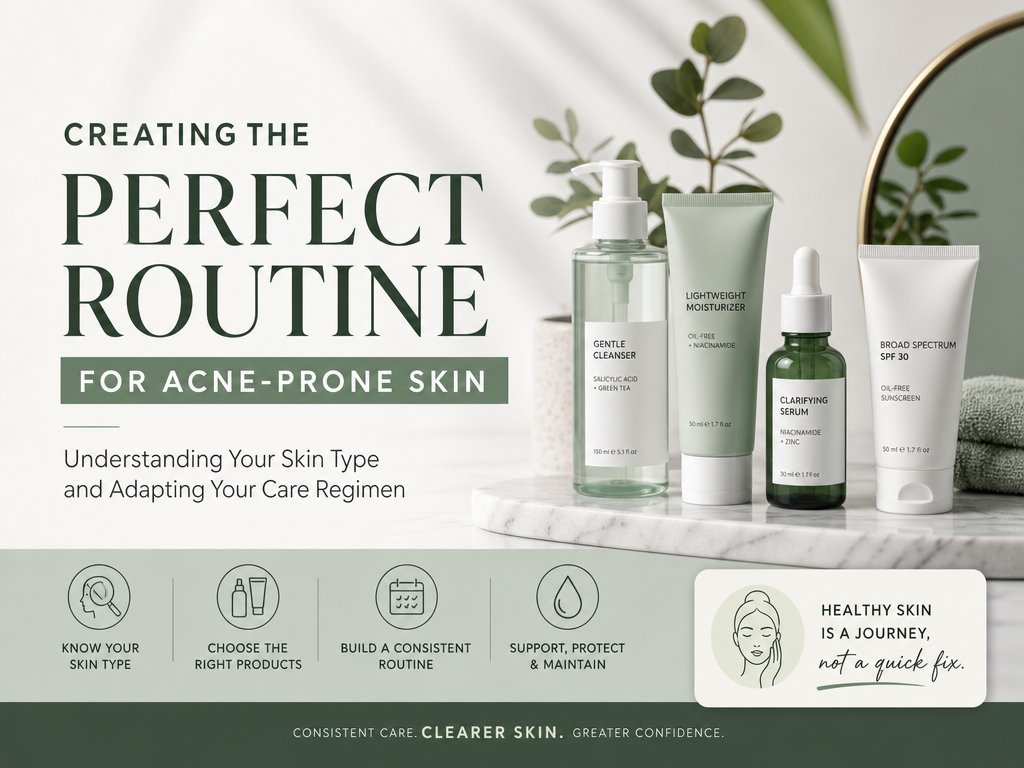
Understanding your skin’s unique needs is the first step to crafting an effective routine. Good practices include regular cleansing, using products with proven active ingredients like salicylic acid or benzoyl peroxide for acne-prone skin, and avoiding skin irritants that can disrupt your skin’s natural balance. Seek professional advice when home remedies aren’t enough and for regular skin evaluations to adapt your routines over time as your skin changes and improves with treatment. Also, ensure to protect your skin daily from sun damage by using a suitable sunscreen, as UV exposure can worsen acne and lead to unwanted pigmentation. Incorporating a diet rich in fruits and vegetables, as well as lean proteins, can also support skin health from the inside out. Moreover, staying adequately hydrated by drinking plenty of water daily can improve skin elasticity and help flush out toxins, contributing to clearer skin. To enhance your routine, consider using topical antioxidants, like serums, to help combat oxidative stress, which can contribute to acne, and to improve skin tone and texture over time.