Introduction to Calcium and Vitamin D
Bezzy communities provide essential support for individuals managing chronic conditions with a specific focus on bone health. They offer a deep dive into how calcium and vitamin D play pivotal roles in preventing osteoporosis. These nutrients are crucial not only for maintaining strong and healthy bones but also for contributing to overall physical stability and well-being.
Sources and Importance of Calcium
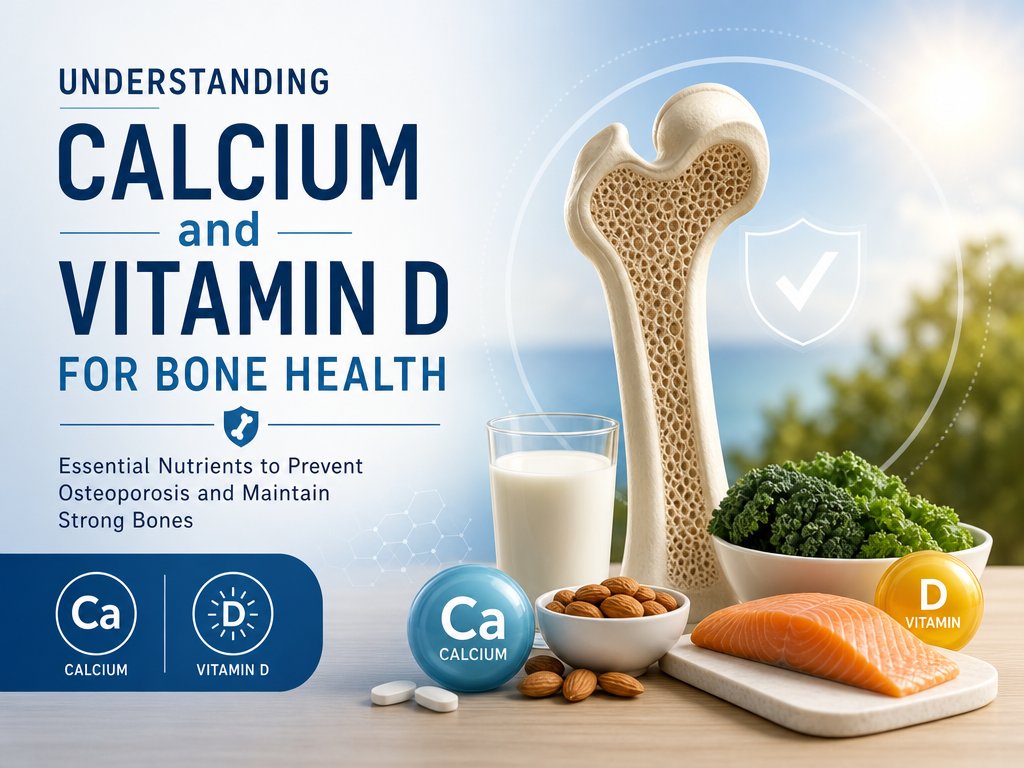
Calcium is abundantly found in dairy products such as milk, cheese, and yogurt. Additionally, leafy green vegetables like kale and broccoli also offer a good supply of calcium. Fortified foods, including plant-based milks, cereals, and orange juice, serve as excellent options for those who prefer non-dairy sources. For individuals unable to obtain adequate amounts of calcium from their diet alone, calcium supplements provide a viable alternative. These supplements often include vitamin D, which optimizes calcium absorption. By enhancing calcium uptake, vitamin D ensures that calcium reaches the bones where it is most needed, thus boosting its benefits for the body.
Role of Vitamin D
Vitamin D can be found in foods such as egg yolks, liver, and fatty fish like salmon and mackerel. Moreover, the body has the remarkable ability to synthesize vitamin D when the skin is exposed to direct sunlight. This vitamin is essential for aiding calcium absorption, which is a primary function in maintaining bone density and preventing fractures. Without sufficient levels of vitamin D, the body cannot effectively utilize calcium from the diet, leading to weaker bones and an increased risk of fractures and related complications. Therefore, ensuring adequate vitamin D intake is fundamental in supporting calcium’s role in bone health.
Preventing Osteoporosis with Nutrients
Osteoporosis, a condition characterized by brittle and fragile bones, can be significantly mitigated by ensuring adequate intake of calcium and vitamin D. Nutritional recommendations for these nutrients vary across different age groups and sexes, with a particular focus on teenagers undergoing growth spurts and postmenopausal women who are at heightened risk for bone density loss due to hormonal changes. These changes often lead to increased calcium loss, necessitating a more targeted dietary approach to meet their nutritional demands for optimal bone health.
Calcium Supplements: Considerations
When dietary intake of calcium is inadequate, calcium supplements like calcium carbonate and calcium citrate become an important consideration. Administration of these supplements should be guided by healthcare professionals. Certain populations, such as those predisposed to heart conditions or kidney stones, may face specific risks associated with certain types of calcium supplementation. Therefore, it is crucial to tailor supplement usage to individual health profiles, taking into account other existing conditions and ensuring the supplements align with personal health needs.
Beyond Diet and Supplements
In cases where osteoporosis is diagnosed or the risk is deemed significant, healthcare providers may recommend additional treatments and strategies beyond diet and supplements. Such personalized recommendations aim to effectively mitigate bone loss, strengthen bone mass, and reduce the likelihood of fractures, thereby enhancing long-term bone health and stability. Additional strategies might include weight-bearing exercises, which are known to positively impact bone strength, hormone replacement therapy, or medications specifically designed to improve bone density and structure. By adopting a comprehensive approach that includes lifestyle modifications along with medical interventions, individuals can significantly improve their bone health outcomes.
Conclusion
Calcium and vitamin D are integral to maintaining proper bone health, particularly as individuals age and their nutritional needs evolve. Collaborating with healthcare professionals to ensure adequate intake of these vital nutrients is a prudent approach, especially for those over 50 or individuals with specific dietary limitations. Engaging in regular health check-ups allows for effective monitoring of bone health, enabling early detection of any potential issues. This proactive approach facilitates timely interventions to maintain bone density and minimize the risk of osteoporosis-related complications, contributing to an enhanced quality of life and sustained physical stability over time.