Introduction
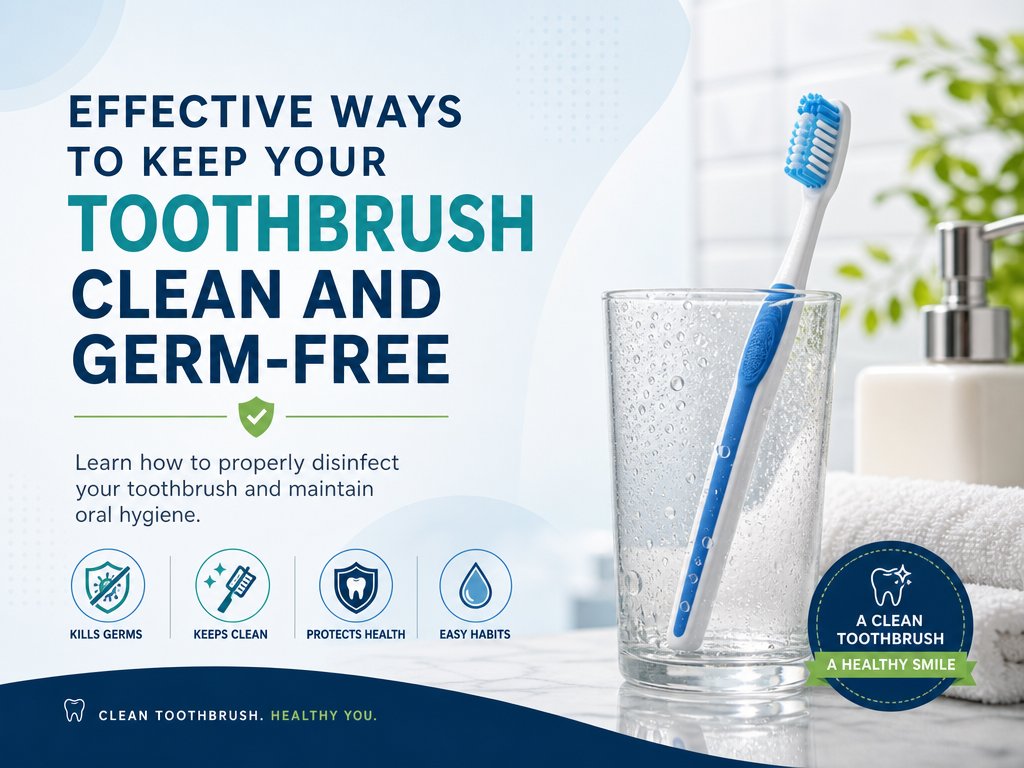
Your toothbrush is an indispensable tool in your daily hygiene routine, specifically designed to effectively remove plaque and bacteria from your teeth and tongue. However, it can become a breeding ground for germs from both your mouth and the surrounding environment, particularly when stored in the frequently used bathroom. Proper cleaning and storage of your toothbrush are paramount in maintaining your oral health, preventing the accumulation and transfer of harmful bacteria, and ensuring a safe environment for your mouth. By adopting effective practices, you will contribute significantly to the maintenance of a healthier oral cavity and overall well-being. Following these guidelines is a vital step towards safeguarding your oral health and enhancing your daily hygiene regimen.
Simple Toothbrush Cleaning Techniques
One of the simplest yet most effective methods for disinfecting your toothbrush is rinsing it with hot water before and after each use. This straightforward measure can aid in removing bacteria that collect between brushing sessions. It is recommended that you run hot water over the bristles until steam is visible. Consistently performing this task helps in loosening and eliminating any debris or residual toothpaste, which could harbor bacteria. In addition, ensure that the water you use is comfortably hot to prevent bristle damage while efficiently aiding in the cleaning process. Regular adherence to this practice ensures that your toothbrush remains as hygienic as possible.
Beyond Hot Water: Soaking Methods
If rinsing with hot water does not seem sufficient, consider soaking your toothbrush in antibacterial mouthwash. Allow it to sit head down in the mouthwash for about two minutes after brushing. It is important to note that frequent use of mouthwash might gradually wear out the bristles. Alternatively, you can dissolve half a denture cleanser tablet in water to soak the brush for about ninety seconds, as this method can break down and eliminate stubborn bacteria or microbial plaque that ordinary water alone may not remove as effectively. For those who lean towards natural cleaning solutions, a mixture of water and vinegar can also serve as an occasional soaking solution to tackle bacteria and germs effectively without the use of harsher chemicals.
Using Advanced Cleaning Tools
For those seeking a more advanced approach, using UV light sanitizers can be considered. Research has indicated that these devices can be quite effective at significantly reducing bacterial load, even if they come at a higher cost. The CDC does not mandate the use of such devices for maintaining a clean toothbrush, but they may provide added peace of mind for those concerned about germs. Another advanced option includes utilizing portable steam cleaners, specifically designed for small items like toothbrushes, to effectively target and eliminate pathogens. Knowing about and having access to these tools can empower individuals to take charge of their oral hygiene proactively.
Best Practices for Storing Your Toothbrush
Proper storage practices significantly impact the cleanliness and overall effectiveness of your toothbrush. A 2011 study demonstrated that keeping the toothbrush submerged in hydrogen peroxide can control bacterial growth efficiently. Always ensure a distance is maintained between multiple brushes to prevent cross-contamination, particularly in households where several people store their toothbrushes in a single space. This practice is crucial, minimizing the risk of mixing diverse bacterial strains. Furthermore, store your toothbrush far from toilets to avoid bacterial spread through toilet plume. Employing a toothbrush cover can offer additional protection from potential airborne contaminants. Make sure the cover has ventilation holes to allow the brush to dry fully, thus preventing mold or mildew buildup. You could also consider using specially designed travel cases that offer hygienic protection and are easy to clean regularly, making them ideal companions for maintaining oral hygiene during trips.
Maintenance and Replacement Tips
Regularly replacing your toothbrush every three to four months, or sooner if the bristles appear damaged, is crucial. Proper care and timely replacement ensure that your oral hygiene remains paramount, minimizing exposure to worn-out bristles that might be ineffective or even harmful. Storing the toothbrush in an upright position can promote faster drying, thus reducing the chance of bacterial growth caused by trapped moisture. Utilizing a rack with individual slots can help maintain brushes upright and separate, further avoiding cross-contamination. Additionally, remember to periodically disinfect the container holding the brushes to prevent bacteria growth. These practices ensure that toothbrushes and their storage environments remain as sanitary as possible, facilitating better oral hygiene and health.