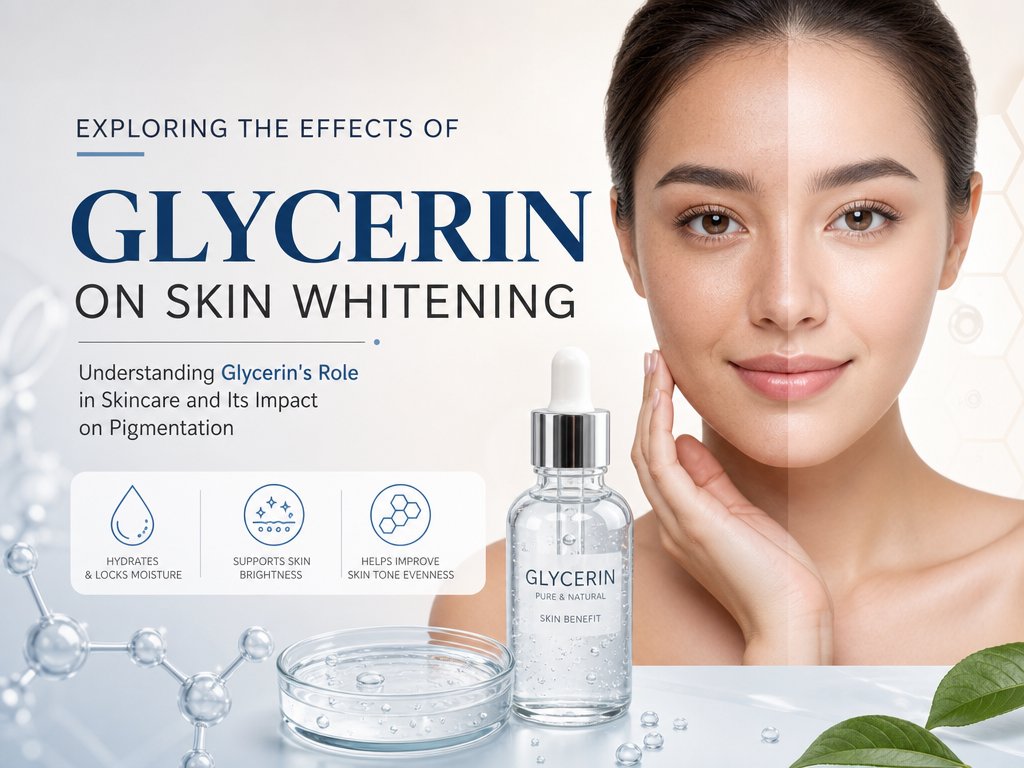
Understanding Glycerin’s Role in Skincare
Bezzy communities provide a supportive network for individuals managing chronic conditions, encouraging connections via the web or mobile app to discuss various health-related topics. These platforms serve as a valuable resource for sharing experiences, advice, and support, creating a space for individuals to learn from each other while navigating their health journeys. These networks are increasingly gaining prominence as many people share their personal anecdotal experiences and results using various skincare regimens.
Skin discoloration issues, such as birthmarks, acne scars, and dark spots, often spur individuals to search for effective methods to achieve an even skin tone. Some people may be drawn to expensive skin bleaching treatments that offer questionable outcomes and potential skin irritation, while others may seek alternative options that could be gentler on the skin, including popular natural remedies. The skincare industry continuously evolves, with many products being explored for their purported benefits, highlighting a need for clearer scientific evidence on their effectiveness.
The Myth of Glycerin as a Skin Lightener
Glycerin is widely acknowledged for its beneficial properties in skincare, particularly for its moisturizing capabilities. While there are widespread rumors about glycerin’s potential role in lightening skin, the scientific evidence backing this claim is notably sparse. Some users believe that glycerin offers a natural and effective method for skin lightening; however, there is minimal research available to substantiate this belief, leading to a gap between anecdotal perceptions and scientific facts. This lack of evidence emphasizes the importance of distinguishing between user testimonials and structured scientific research.
Benefits and Uses of Glycerin
Glycerin is a common ingredient in a wide variety of lotions, creams, and soaps, appreciated for its excellent ability to moisturize and smooth the skin. Serving primarily as a humectant, it helps enhance skin hydration by attracting moisture from the environment into the skin, making it particularly beneficial in maintaining the skin’s moisture balance. Additionally, as an emollient, it softens rough patches often caused by skin conditions such as eczema or psoriasis.
Furthermore, glycerin possesses antimicrobial properties that help protect the skin from harmful microbes and may contribute to faster wound healing. This makes glycerin a versatile ingredient in treating and managing various skin concerns, while its non-comedogenic nature ensures it does not clog pores, making it suitable for various skin types. It is often favored in formulations designed to address dryness and irritation, providing comfort and relief for compromised skin barriers.
Glycerin’s Exfoliating Properties
The topical use of glycerin boosts hydration in the skin’s outer layer, facilitating the natural exfoliation process by softening the uppermost skin surface. This enhanced exfoliation process can potentially brighten the skin and reduce the appearance of blemishes. By nourishing the skin and creating optimal conditions for natural cell turnover, glycerin supports healthier-looking skin. However, claims that glycerin can function as a skin whitening agent remain unverified, suggesting more research is needed in this area.
Combining Glycerin with Other Ingredients
Glycerin is often combined with other ingredients such as lemon and rose water to revitalize dry and lackluster skin and assist in gentle exfoliation. While glycerin provides essential hydration, rose water acts as an astringent that cleanses and tones the skin. The natural acidity of lemon juice may offer some benefits in addressing pigmentation concerns, although it should be used cautiously due to its potential to irritate sensitive skin. Despite anecdotal reports of success, scientific support for these combinations as skin lightening agents remains limited. Thus, individuals should seek professional skincare advice when considering combining active ingredients to ensure safety and efficacy.
Using Glycerin Safely
For skincare enthusiasts, pure vegetable glycerin is often preferred over animal-based or synthetic forms of glycerin due to its plant-based origins and perceived safety profile. Despite glycerin’s extensive safety record, it can cause irritation, particularly for sensitive individuals. Therefore, conducting a patch test before use is critically important to identify any potential adverse reactions. Signs of potential allergic reactions can include symptoms such as dryness, redness, or peeling. Moreover, the use of lemon as part of any skincare routine can increase sensitivity to sunlight, making it crucial to avoid sun exposure and apply sunscreen immediately after application to protect the skin.
Conclusion: Glycerin in Skincare
Glycerin is highly effective in moisturizing, repairing, and protecting the skin. Yet, despite its many benefits, it lacks scientific evidence as a true skin whitening agent. By promoting exfoliation, it might be helpful in reducing skin discoloration from scars or age spots. Nonetheless, glycerin is not a scientifically proven remedy for hyperpigmentation or other persistent skin discoloration issues. Users seeking skin lightening solutions should approach glycerin with realistic expectations and an understanding that its primary benefits lie in its moisturizing and protective properties rather than in altering skin color. It is vital for users to remain informed and realistic about what glycerin can achieve, focusing on its proven hydrating and skin-supporting roles.