Understanding Wisdom Tooth Removal
Wisdom teeth, medically known as third molars, are generally the last to emerge in our dental lineup. These teeth often encounter limited space within the jaw, necessitating their removal to avert potential issues like impaction or tooth crowding. The extraction procedure typically requires the expertise of an oral surgeon skilled in such processes. During the recovery phase, the formation of a blood clot at the extraction site is essential to facilitate tissue repair and minimize potential complications.
Dealing with Food Particles
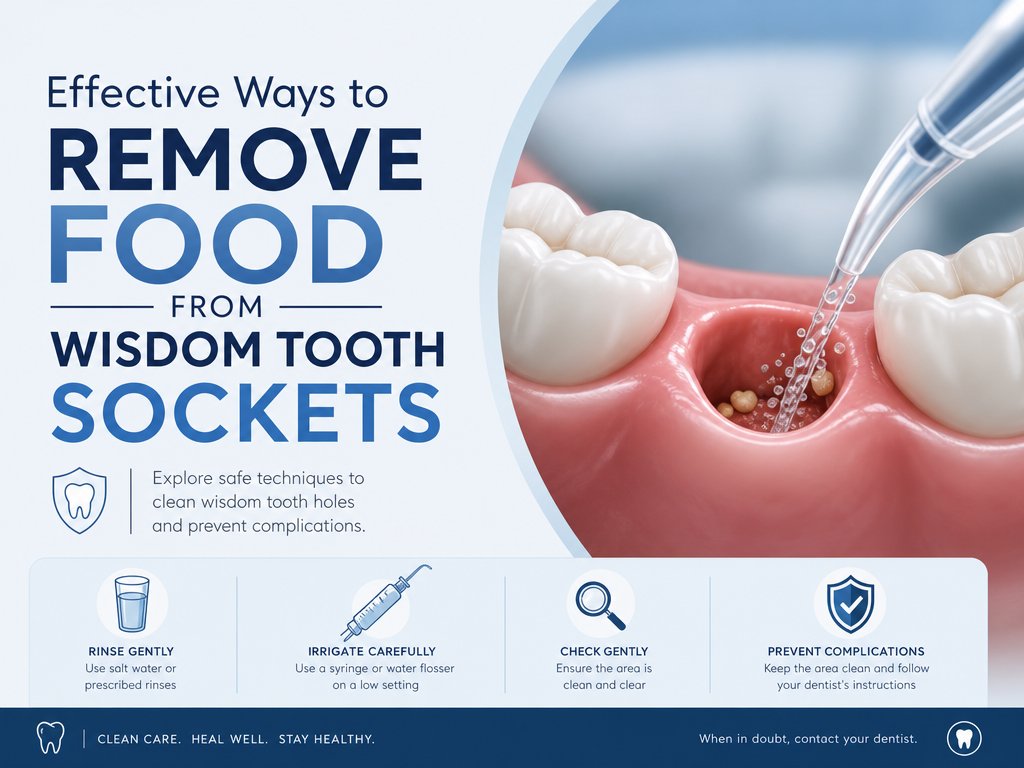
After a wisdom tooth is extracted, it is common for food particles to become lodged in the holes where the teeth once resided. While this situation is generally typical and often not a cause for alarm, it is important to monitor it. If the debris does not cause discomfort or irritation, it might naturally dislodge over time without intervention. However, ensuring that food particles are gently removed can be beneficial, as it helps maintain the integrity of the blood clot and keeps the healing area clean. It is crucial to avoid using fingers or other non-sterile objects near the sensitive site to prevent damage or infection.
Techniques for Removal
1. **Salt Water Rinse:** Starting 24 hours after surgery, gently rinsing with warm salt water can effectively dislodge trapped food particles. Salt acts as a natural disinfectant and helps in reducing inflammation. For those who may find saltwater rinses unsuitable, lukewarm herbal teas like chamomile, known for their soothing properties, may serve as an alternative.
2. **Mouthwash:** After receiving approval from a dentist, using a gentle or antiseptic mouthwash can further reduce bacteria and assist in cleaning out any lingering food debris. It is important to adhere to professional advice regarding when it is safe to start using mouthwash in the healing process.
3. **Water Flosser:** As days pass and healing progresses, a water flosser can prove to be an excellent tool for washing away food particles without disturbing the protective blood clot.
4. **Soft Toothbrush:** By the end of the first week, a soft-bristle toothbrush can help in gently cleaning around the site to remove any remaining particles. It is essential to brush with care and avoid exerting too much pressure.
Prevention Tips
To minimize the risk of food becoming trapped in the extraction site, refrain from chewing on the side of the mouth where the surgery took place. Adopting a diet primarily consisting of soft foods can significantly reduce the potential for debris accumulation. Additionally, rinsing your mouth immediately after meals aids in the removal of leftover food particles. While healing, it is advisable to avoid foods that can easily leave residue, as well as spicy or acidic foods that might disrupt the blood clot.
Recognizing Complications
Recognizing symptoms that might indicate complications such as dry socket or infections is crucial. Warning signs include severe pain, exposed bone in the socket, or any unusual symptoms. Promptly contacting your dentist if these occur is important to prevent further complications.
Recovery Expectations
Recovery following wisdom tooth extraction can vary, typically ranging from 3 to 7 days. More complicated extractions may necessitate a longer healing period. Minor bleeding, swelling, and discomfort are generally expected and a normal part of the healing process after extraction.
It is noteworthy that not all wisdom teeth require removal. Extraction is generally recommended only when issues develop. Over time, the visible hole from the extraction will naturally close as healing occurs from beneath the gum surface.
Effectively managing food particles in extraction sites is crucial for a smooth recovery, and employing the safe methods outlined here helps avoid complications and encourages efficient healing. Maintaining cleanliness of the extraction site and following recommended care protocols leads to a smoother and more comfortable recovery process.