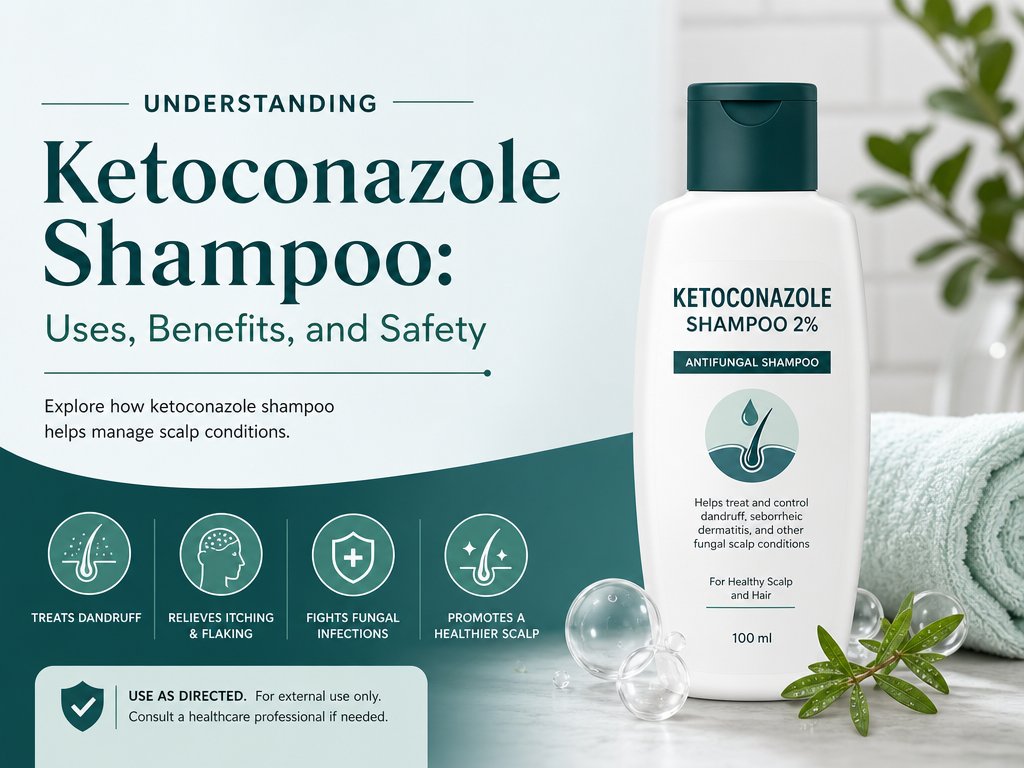
Introduction to Ketoconazole Shampoo
Ketoconazole shampoo is a medicinal formula widely used to tackle fungal infections on the scalp, including issues like persistent dandruff and psoriasis. It is available both over-the-counter (OTC) and by prescription, making it a convenient option for managing several scalp and skin conditions. Its antifungal properties are particularly effective against various types of fungi that are responsible for these issues. The shampoo’s application helps relieve itching and flakiness associated with these conditions, providing a soothing experience for the user.
How Ketoconazole Shampoo Works
Ketoconazole shampoo is prominently marketed for dandruff control and is found in well-known OTC brands like Nizoral, available in supermarkets and online. Dandruff can arise from multiple sources, such as a dry scalp or, more commonly, seborrheic dermatitis—this condition is often linked with the overgrowth of Malassezia, a type of yeast fungus that naturally resides on the skin. The shampoo curbs dandruff effectively by reducing the presence of this fungus and mitigating related inflammation. Regular use leads to a significant reduction in itching and promotes a healthier scalp environment.
Treating Psoriasis and Other Fungal Infections
In addition to dandruff management, ketoconazole is frequently prescribed for psoriasis—an inflammatory skin ailment that leads to the formation of flaky red patches. These plaques often become colonized by yeast-like fungi, necessitating the use of prescription-strength ketoconazole. It is also beneficial in addressing other fungal infections, such as tinea capitis (superficial ringworm of the scalp) and tinea versicolor (a type of yeast infection on the skin), thereby offering versatile treatment options for fungal-related scalp issues. By clearing these infections, ketoconazole helps restore the natural barrier of the skin, reducing further risk of infections.
Additional Benefits and Considerations
While primarily known as an antifungal, some research suggests that ketoconazole might have secondary benefits, such as aiding in hair growth or restricting hair loss. However, more extensive studies are required to validate these claims conclusively. For individuals experiencing hair thinning, the potential of ketoconazole in complementing other hair regrowth treatments adds value. Ketoconazole shampoo is available in several formulations, both OTC and prescription-based, with varying concentrations of the active ingredient, ketoconazole, depending on the severity of the condition being treated. Consultation with a healthcare provider may help determine the optimal formulation. Users often appreciate the option to choose between different product formulations to suit their specific needs.
Potential Side Effects
Users of ketoconazole shampoo should be mindful of potential side effects, which can include skin irritation, pimples, changes in hair texture, oiliness or dryness, and discoloration of the hair. While rare, hair loss may occasionally occur as a result of its use. Allergic reactions, although highly uncommon, necessitate immediate medical attention if they arise. Moreover, there is currently limited research on its safety during pregnancy or its effects on children under 12, so consulting with a healthcare professional is advisable to ensure safety and efficacy. Monitoring for side effects is key to ensuring a smooth treatment experience.
Usage Guidelines
To properly use ketoconazole shampoo, wet your hair thoroughly, apply the shampoo, and lather it into a rich foam, ensuring it covers all affected areas. Allow it to remain on your scalp for a few minutes before rinsing it out. This waiting period ensures maximum absorption and efficacy. If it is applied to parts of the body other than the scalp, ensure it remains in contact for at least five minutes before a meticulous wash. A doctor’s advice dictates the appropriate frequency and duration of use, which typically ranges from every other day to weekly applications, based on the severity and type of skin condition being treated. Consistent adherence to these guidelines optimizes treatment outcomes for users, maximizing their satisfaction with the product.
Conclusion
Ketoconazole shampoo often produces visible results within two to four weeks of regular use. This noticeable improvement can boost user confidence and encourage continued application. If no progress is observed after a month of consistent application, it may be necessary to consult a healthcare provider for alternative treatments. Such alternatives could include other medicated shampoos or oral antifungal medications, offering additional strategies to tackle resistant or complex scalp conditions effectively. Routine follow-ups with a healthcare provider are recommended to track progress and make necessary adjustments. Consulting a healthcare professional also ensures that any underlying issues contributing to scalp conditions are addressed, facilitating more comprehensive care and better long-term outcomes.