Introduction
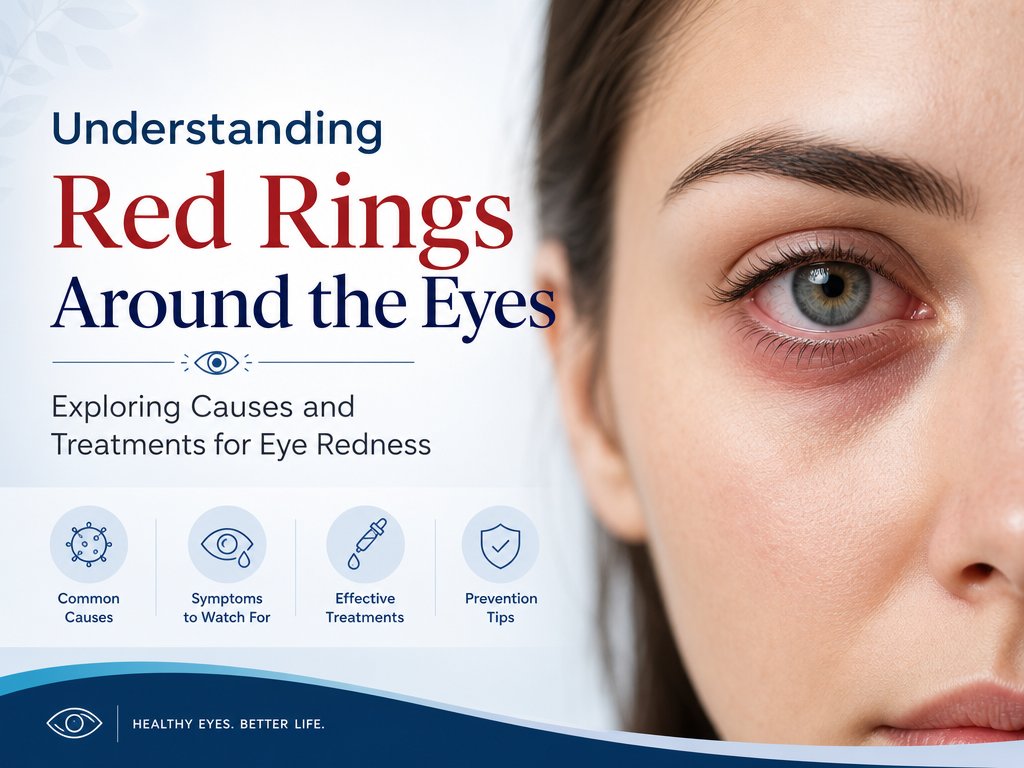
Red rings around the eyes can arise due to a variety of medical conditions. While some are easily managed at home, others necessitate professional medical care. This article explores the causes, symptoms, and potential treatments for this condition. Understanding the underlying factors can help in determining the appropriate course of action and ensure effective resolution of this common issue. Becoming informed about these causes enables individuals to take steps towards better eye health and appearance, reflecting overall well-being.
Common Causes of Red Rings Around the Eyes
Aging
As you age, your skin becomes thinner, particularly around the eyes. This increased thinness can lead to discoloration and more noticeable blood vessels, sometimes causing red rings. The natural loss of collagen and elastin in the skin, as well as reduced circulation, also contribute to these visible changes. Using skincare products designed to boost collagen production and improve elasticity can help mitigate these effects over time. Facial exercises and facial massages are additional methods some people use to improve circulation and skin tone around the eyes, potentially reducing the appearance of red rings.
Blepharitis
Blepharitis is an inflammation of the eyelids that results in redness. It can occur at the lash base or in the meibomian glands. Symptoms often include itching, stinging, and tearing, creating discomfort and prompting a need for meticulous eye hygiene to alleviate symptoms. Special cleaning pads and eyelid scrubs are frequently recommended to help manage this condition effectively. Over-the-counter artificial tears can provide soothing relief for dry, irritated eyes. In some cases, warm compresses applied to the eyelids can help to open up clogged glands and reduce the symptoms, enhancing overall eye comfort.
Contact Dermatitis
Contact dermatitis is an allergic reaction to substances contacting your skin, often affecting the thin skin around the eyes. This may result in red rings and irritation. Common triggers include cosmetics, soaps, and various chemicals. Avoiding known allergens and irritants is crucial, alongside using hypoallergenic products to minimize reactions. Consulting a dermatologist can help identify specific allergens and develop a personalized care plan. Allergy testing may pinpoint the triggers, allowing individuals to make informed choices about the products they use daily and prevent future flare-ups.
Atopic Dermatitis
Also known as eczema, atopic dermatitis is a chronic condition that typically starts in childhood but can affect adults. It often presents with red, itchy patches around the eyelids. Managing eczema around the eyes can be challenging and usually involves moisturizing, using mild, non-irritating skincare products, and applying topical medications as prescribed by a healthcare provider. Identifying and avoiding specific eczema triggers, such as stress or certain foods, can also be effective. Support groups and educational resources can be valuable for people managing chronic conditions like eczema, providing community support and sharing practical tips.
Cellulitis
Cellulitis is a bacterial infection that can cause redness and swelling around the eyes. It requires prompt medical attention to prevent it from spreading to other areas. The affected area may feel warm and tender, and the skin may appear tight. Immediate intervention with antibiotics is vital to address this serious infection and prevent complications. If left untreated, cellulitis can lead to more severe health issues. Seeking early treatment not only aids in managing current symptoms but also reduces the risk of the infection causing deeper or more systemic health concerns that could require intensive medical interventions.
Meibomian Cysts
These are blockages in the eyelid glands that can cause redness. While often painless, infections may occur, making medical evaluation necessary. These cysts, also known as chalazions, may resolve on their own, but persistent or painful cases might require medical treatment, including minor surgery, drainage, or medication to reduce inflammation. Regular eyelid massages may help clear blockages and prevent future cysts. Educating oneself about eyelid hygiene practices can be beneficial in reducing the frequency of development and recurrence of meibomian cysts.
Diagnosis and Treatment
Home Remedies
Many conditions causing red rings can initially be managed with good hygiene and avoidance of irritating factors. Warm compresses and mild washes might alleviate symptoms. Regularly cleaning the eye area can prevent the buildup of oils and debris. Additionally, ensuring a balanced diet, staying hydrated, and managing stress levels can contribute positively to skin health. Supplements with vitamins C and E may support skin repair and protection. Incorporating a gentle, daily skincare regimen and using sun protection can also provide long-term benefits by preserving skin integrity and minimizing deleterious environmental effects.
Medical Treatments
Specific conditions, like blepharitis and cellulitis, require medical treatments such as antibiotics or corticosteroids. Consulting a healthcare provider is essential for appropriate diagnosis and management. Professional guidance will help tailor treatments to your specific condition and will address any underlying issues that may be causing the symptom of red rings. Regular follow-ups with your healthcare provider can monitor treatment effectiveness and adjust any care plans as needed. Open communication with your doctor can ensure any side effects or concerns are addressed promptly, optimizing treatment outcomes and enhancing patient confidence in the provided care.
Red rings around the eyes should be monitored to ensure that any changes or persistence of symptoms are promptly addressed. Professional advice is crucial for proper care and management of symptoms. Early detection and treatment of underlying causes can prevent complications and ensure the health and comfort of the eyes. Making lifestyle adjustments and adhering to prescribed treatments will assist in mitigating this issue effectively. Employing a daily skincare routine tailored to your skin type can further help in maintaining the skin’s health and appearance. For persistent concerns or if unsure of the cause, seeking a second opinion from a specialist such as an ophthalmologist or dermatologist could provide additional insights and therapeutic avenues. These specialists are equipped with the latest knowledge and tools to investigate complex skin or eye issues, which can offer patients reassurance and a path towards resolution.