Introduction
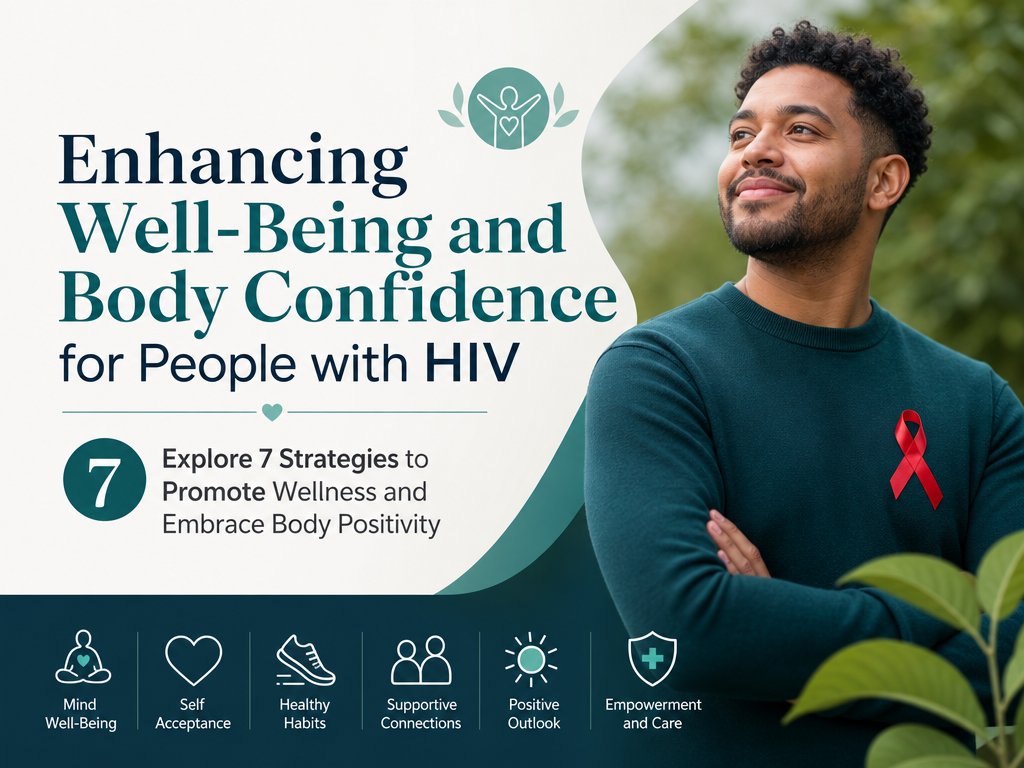
Individuals living with HIV often encounter challenges related to body image due to the stigma surrounding HIV and associated mental health issues such as depression and anxiety. Despite advancements in medical treatment offering longer, healthier lives for many individuals, those living with HIV may still experience unique relationships with their bodies and how these relationships impact their mental well-being. This complex interaction can lead to experiences of depression, anxiety, and low self-esteem, all of which can be exacerbated by societal pressures and personal experiences of stigma and discrimination.
Mental Health and Body Image
Impact of HIV and Aging
Living with HIV can transform how the body appears and functions, sometimes as a direct consequence of the virus itself or its subsequent treatment. Those growing older with HIV might face age-related body changes like weight fluctuation and redistribution, which can be more pronounced when compounded with HIV-related factors. Additionally, conditions like depression, recurring infections, or dental issues can also lead to unexpected weight loss. There are also the potential impacts of antiretroviral therapies (ART) which, while life-saving, can lead to physical changes such as lipodystrophy that affect body shape and image.
Body Dissatisfaction in People with HIV
A 2022 study highlighted that individuals with HIV-related lipodystrophy often encounter lowered self-esteem and concerns about their appearance, with a significant percentage expressing body dissatisfaction and reduced libido. Further research continues to indicate a correlation between poor body image, pervasive HIV stigma, and associated depression, emphasizing how these interwoven factors can deeply influence an individual’s self-perception and overall sense of identity. This demonstrates the need for comprehensive care approaches that address both physical health and psychological well-being.
Addressing Negative Body Image
According to the Centers for Disease Control and Prevention (CDC), the internalization of HIV-related stigma can foster negative self-image, pervasive feelings of shame, and subsequent isolation, often leading to hesitancy in pursuing necessary testing and treatment. This cycle of internalized stigma not only impacts mental health but also hinders effective health management and wellness. Addressing these concerns through education, outreach, and supportive counseling can aid in breaking the cycle and encouraging individuals to seek the care and support they need.
Strategies for Mental Health and Body Positivity
Support Systems and Professional Guidance
Maintaining mental wellness is crucial as it can significantly enhance coping mechanisms for the everyday challenges of living with HIV. Interacting with others facing similar body image issues can be beneficial for emotional support and perspective. HIV treatment centers may provide information about specialized support groups, while mental health specialists can offer critical therapeutic assistance tailored to individual needs. Engaging with these support systems can mitigate the feelings of isolation and promote a more positive self-view.
Harnessing Journaling for Emotional Processing
Journaling offers a personal and invaluable outlet for processing complex emotions, contributing to better management of symptoms related to depression, anxiety, and stress without the necessity for structured content. This practice allows individuals to explore their feelings and thoughts freely at their own pace. Writing can also help in identifying patterns in emotions and developing strategies for coping, serving as a tool for self-discovery and growth, enhancing mental clarity and emotional expression.
Exercise, Sleep, and Mindfulness
Physical activities and adequate rest play pivotal roles in nurturing mental health and emotional balance. Engaging in enjoyable exercises or meditative mindfulness exercises can generate positive associations with one’s body and foster a healthier sense of acceptance and appreciation. Regular exercise not only helps in maintaining physical health but also releases endorphins that promote overall happiness, while mindfulness practices can help in reducing stress and increasing awareness of one’s self and emotions.
Building Accomplishment and Volunteering
Completing tasks or engaging in volunteering activities can effectively shift focus away from negative body image concerns. By achieving personal goals or supporting others in need, individuals can establish deeper community ties and a sense of accomplishment that enhances self-worth. Volunteering also offers an opportunity for individuals to connect with others and experience the joy of contributing to the well-being of their community, which can be empowering and fulfilling. It provides a multifaceted way of engaging with society, offering individuals ways to validate their skills and fostering a sense of achievement.
Conclusion
While negative body image is prevalent among those living with HIV, caring diligently for one’s mental health can mitigate its impact and foster stronger emotional resilience. Incorporating holistic techniques such as mindfulness, regular exercise, participation in support groups, and consistent journaling can foster improved self-image and confidence. These approaches encourage not only personal growth but also community awareness and understanding. Taking comprehensive steps towards mental well-being can empower individuals to lead fulfilling lives by promoting self-acceptance and overcoming the barriers presented by stigmatized perceptions. Continued advocacy and education are essential to reduce stigma and support those affected by HIV in embracing their identities without fear or shame. This ongoing effort also involves community education to foster environments that understand and sympathize with the unique challenges individuals face.