Introduction to Red Blood Cells
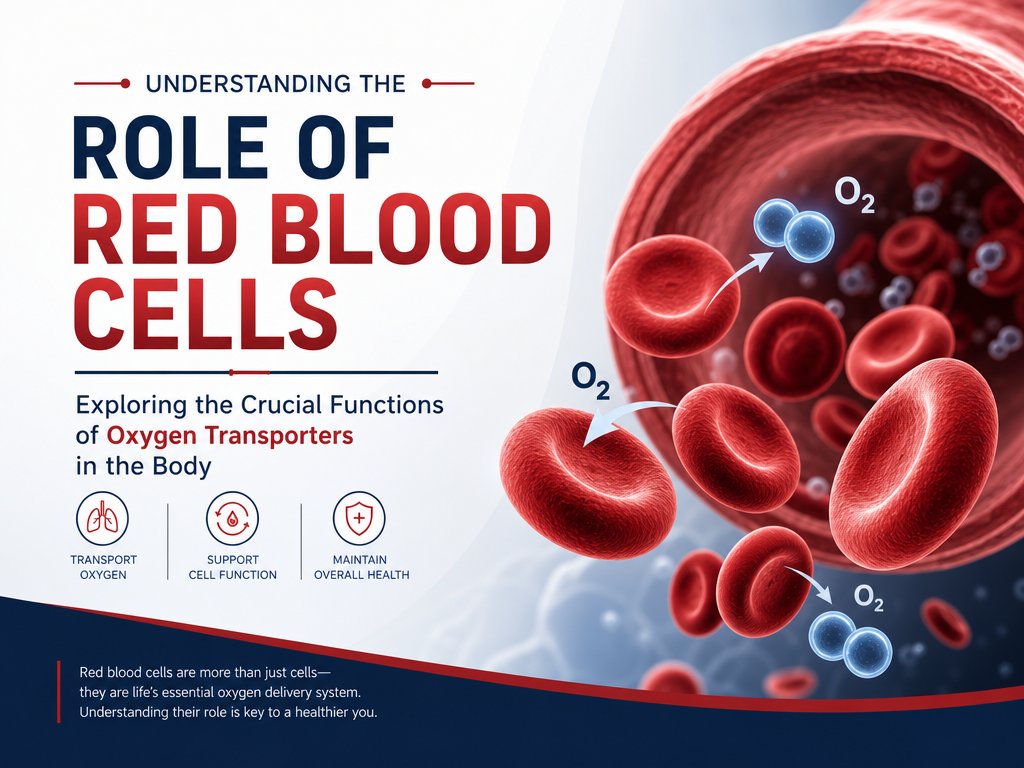
Red blood cells, scientifically termed erythrocytes, are vital components of human blood. They not only transport oxygen from the lungs to the rest of the body but also facilitate the removal of carbon dioxide, thus maintaining cellular respiration. A balance in red blood cell count is crucial as deviations can lead to various health issues affecting overall human well-being. Their unique structure, a biconcave shape, increases surface area, enhancing their capacity to absorb and release oxygen efficiently. This design also allows them to move through narrow blood vessels more easily, ensuring that oxygen is delivered to even the most remote tissues efficiently.
The Formation and Functionality of Red Blood Cells
Production and Lifespan
These cells are meticulously produced in the bone marrow through a process called erythropoiesis and typically live for about 120 days. During their lifecycle, they continuously recycle hemoglobin, the protein that allows them to carry oxygen efficiently to different parts of the body. As red blood cells age, they are phagocytized and broken down primarily in the spleen, with their components being recycled to form new cells, ensuring a constant supply. The body must produce millions of these cells daily to maintain adequate levels and facilitate effective gas exchange. Factors such as dietary iron, vitamin B12, and folate are critical to erythropoiesis as they help in producing healthy red blood cells.
Oxygen and Carbon Dioxide Transport
Red blood cells have a vital job in carrying oxygen from the lungs to tissues and organs, and in return, collect carbon dioxide from these areas to be expelled through the lungs. Hemoglobin, a complex protein of which red blood cells are full, plays a crucial role in this exchange due to its high affinity for oxygen. This back-and-forth transport is a cornerstone of metabolic processes which sustain cellular activities, maintaining homeostasis throughout the body. Hemoglobin’s ability to bind with oxygen is influenced by several factors, including blood pH and temperature, ensuring adaptable transport efficiency based on the body’s immediate needs. Additionally, hemoglobin also helps to buffer the blood, maintaining a stable pH level crucial for enzyme function and overall metabolic efficiency.
Understanding Red Blood Cell Counts
The concentration of red blood cells in the bloodstream can vary significantly, leading to conditions like anemia when too low or erythrocytosis when too high. Normal ranges differ slightly between men and women and can vary with age and in response to environmental factors such as altitude. Maintaining proper red blood cell counts is essential as it influences how effective the blood is at distributing oxygen and nutrients. Beyond mere transport, these cells play a role in assisting the immune system and regulating blood pressure through the release of adenosine triphosphate, which prompts vessel dilation. They also release signaling molecules, such as nitric oxide, which help modulate vascular tone and blood flow, enhancing their role in cardiovascular health and performance.
Anemia: Symptoms and Causes
Anemia arises from a deficiency in red blood cells or hemoglobin, often causing fatigue, weakness, and an overall lack of energy among other symptoms. It can result from various factors including nutritional deficiencies like a lack of iron, vitamin B12, or folate; chronic diseases; or conditions that cause excessive bleeding. Understanding the specific cause of anemia is vital to target treatment effectively, which could range from dietary supplements to more intensive medical interventions. Certain forms of anemia, such as sickle cell anemia, are hereditary and demand comprehensive management plans tailored to patient needs. In developing countries, malaria also contributes to anemia’s prevalence, emphasizing the importance of understanding geographical and environmental impacts on this condition.
Erythrocytosis: Symptoms and Causes
Conversely, erythrocytosis, characterized by an elevated red blood cell count, might lead to symptoms such as dizziness, headaches, and a ruddy complexion. This condition could stem from various underlying factors such as chronic lung diseases, living at high altitudes, genetic predispositions, or even tumors producing excess erythropoietin. Addressing erythrocytosis often requires managing the underlying condition and, occasionally, therapeutic procedures like phlebotomy to reduce excess cell mass. Proper management prevents complications such as blood clots, which can result from increased blood viscosity associated with high red blood cell levels. Awareness campaigns and genetic testing can provide valuable insights into individuals at risk for polycythemia, a related condition that also causes elevated red blood cell counts.
Diagnostic and Treatment Approaches
Doctors frequently use a complete blood count (CBC) to measure red blood cell numbers and other key indicators in the blood, identifying potential imbalances that could signal underlying health conditions. Depending on the results, further diagnostic tests might be conducted. Treatment for abnormalities often involves addressing underlying causes, whether through medication, lifestyle changes, or addressing nutritional deficiencies. More severe cases might require interventions such as blood transfusions or specialized treatments like bone marrow transplants if the bone marrow is defective in producing appropriate cell levels. Genetic counseling may also be recommended for hereditary conditions affecting red blood cells. Access to education about nutritionally balanced diets, regular health check-ups, and genetic counseling is critical in preventing and managing red blood cell disorders, facilitating early intervention.
Conclusion
Red blood cells are essential for sustaining life by ensuring tissues receive adequate oxygen and facilitating the removal of carbon dioxide as part of metabolic waste management. Maintaining their normal levels is critically important to preventing related health complications, and deviations from the norm can lead to significant health issues that necessitate medical intervention. Consulting healthcare professionals is highly recommended for individuals experiencing persistent symptoms potentially linked to red blood cell irregularities, to ensure proper diagnosis and treatment tailored to individual needs. Prevention, through lifestyle choices and regular check-ups, plays a crucial role in detecting potential issues early, promoting a healthy balance of red blood cells in the body. Encouraging public awareness about the importance of nutritional balance, the role of regular physical activity, and access to healthcare can significantly improve outcomes by helping to maintain optimal red blood cell functionality and overall health across diverse populations.