Introduction to Bone Spurs
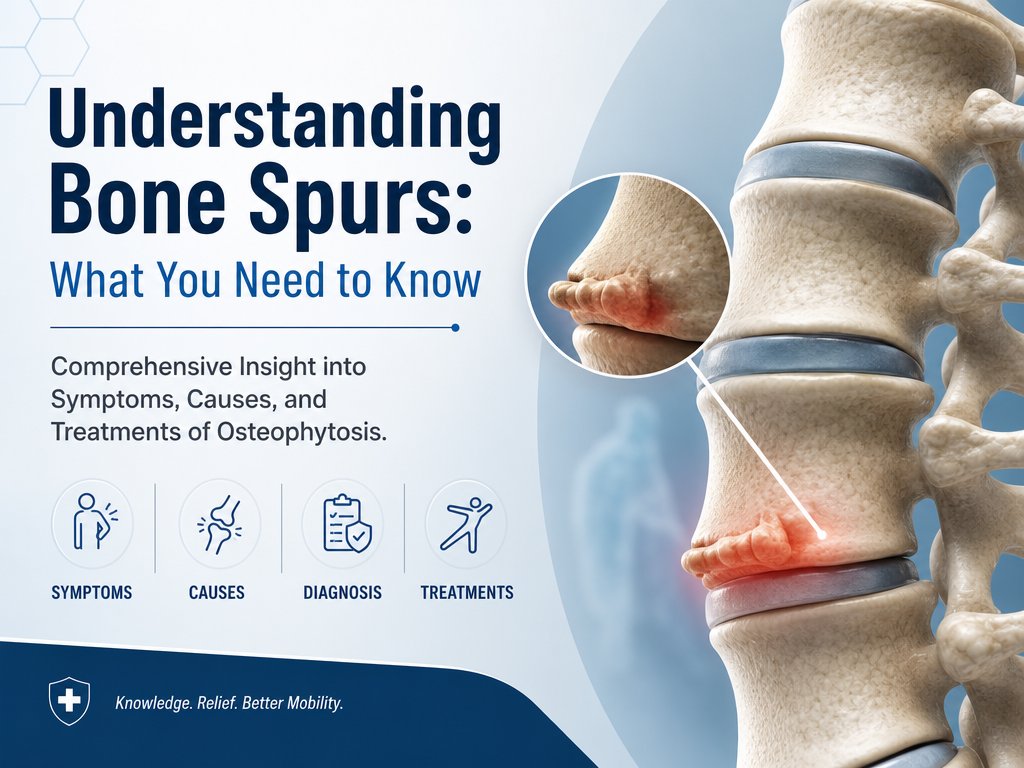
Bone spurs, known medically as osteophytosis, are bony projections that commonly develop where bones connect at the joints. Despite their intimidating name, these growths often do not cause any symptoms. Typically, bone spurs tend to appear in people over the age of 60, although younger individuals can also be affected by this condition, particularly those with risk factors such as previous joint injuries or genetic predispositions. Understanding their characteristics and implications for joint health can be crucial for appropriate management and treatment of the condition.
Symptoms and Diagnosis
Most bone spurs are small and asymptomatic, meaning they do not lead to noticeable symptoms. However, some can lead to pain or discomfort, especially when they form in specific locations. Common sites include the fingers, knees, shoulders, hips, and spine. In the spine, spurs might exert pressure on nerves, potentially causing back pain and numbness in the extremities. Diagnosis typically involves the utilization of imaging techniques such as X-rays, MRIs, or CT scans, which help in detecting changes in bone structure, thereby enabling an accurate assessment of the affected area and its impact on adjacent tissues.
When to Seek Medical Attention
If you experience joint pain or stiffness that persists beyond a few days, seeking medical consultation is advisable. Early diagnosis and treatment can help prevent further damage. This is especially important if symptoms like pain or swelling do not improve with rest and cold compress application. Medical professionals can recommend appropriate strategies and interventions for managing pain effectively, including the consideration of physical therapy or, in some cases, surgical options if non-invasive measures prove insufficient for relief.
Causes and Risk Factors
The primary cause of bone spurs is osteoarthritis, which results from the prolonged wear and tear of joints over time. Aging increases the risk, as does having a history of joint injuries. Genetic predispositions and postural issues also contribute to susceptibility. Other factors, such as engaging in repetitive activities or experiencing obesity, which increase stress on the joints, may also elevate the risk of developing bone spurs. Recognizing these risk factors allows individuals to take preventive measures that might include lifestyle changes and therapeutic protocols.
Treatment Options
Mild discomfort arising from bone spurs can often be managed with over-the-counter pain medications or corticosteroid injections designed to reduce inflammation. Physical therapy plays a critical role in strengthening muscles around affected joints, thereby helping to relieve nerve pressure. In more severe instances, surgical intervention might be needed, such as arthroscopic surgery, especially when spurs impact nerve function or restrict movement significantly. Choosing the right treatment option often depends on the severity of symptoms and the degree of impact on daily activities and quality of life.
Surgical and Non-surgical Interventions
Arthroscopic surgery, which is frequently performed as an outpatient procedure, involves a shorter recovery time compared to traditional open surgery. However, it still may take weeks for a full return to normal function. For those seeking to avoid surgery, managing bone spurs through regular physical therapy and medications remains a viable option. It’s important to note that even though symptoms may reoccur over time, consistent management can provide notable relief. Engaging in ongoing evaluations and adjustments to treatment plans can further enhance outcomes and stability for affected individuals.
Managing Bone Spurs Effectively
Engaging in proactive measures like maintaining good posture and participating in suitable exercises can help minimize discomfort associated with bone spurs. Understanding how to effectively manage bone health can significantly improve quality of life, allowing individuals to live comfortably despite the presence of these bony projections. Lifestyle modifications such as weight management and ergonomic adjustments in daily activities also play a part in managing discomfort from bone spurs. Such comprehensive strategies contribute not only to alleviating existing symptoms but also to preventing future complications by enhancing overall joint function and resilience.
Bone spurs are essentially a natural response to wear and tear on joints. With informed and strategic management, their impact can be significantly reduced, enabling individuals to continue their daily activities with minimal interference and maintain a fulfilling life. Engaging with healthcare professionals to tailor a management plan that suits individual needs is key to optimizing outcomes and ensuring sustained benefit from interventions.
Conclusion
Proper awareness and timely intervention can ensure bone spurs do not unduly affect one’s quality of life. Whether opting for surgical or conservative treatments, managing lifestyle factors and understanding the condition plays a crucial role in coping with osteophytosis. By staying informed and taking necessary actions when needed, individuals can maintain an active lifestyle despite these challenges.
Join our platform today to connect with others on similar health journeys and access invaluable resources aimed at promoting better health management. Engage with peers, share personal experiences, and find support in your path toward a healthier life. Here, you can explore various treatment options, gain insights from professionals, and learn from the stories of others who have successfully managed similar conditions. By building a community of shared knowledge and support, the journey to managing bone spurs becomes less daunting and far more achievable. This collective approach not only empowers individuals with knowledge and tools but also fosters a supportive environment where collaborative learning and encouragement fuel personal health achievements.